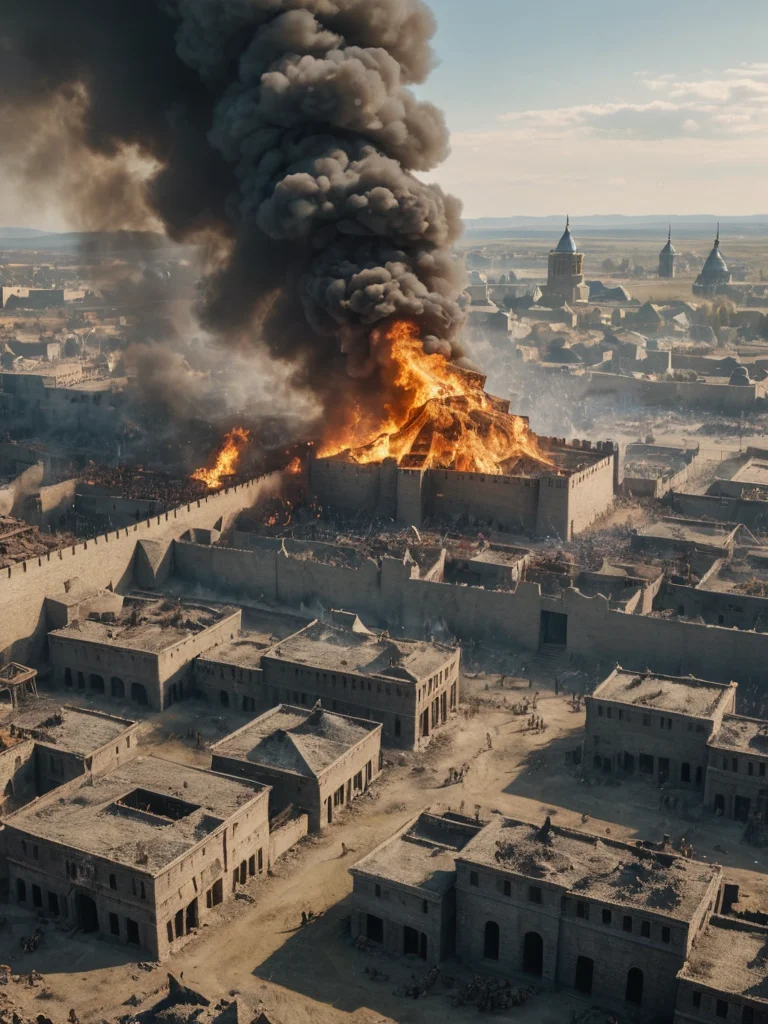
The history of Rus knows many turning points, but one of the most significant and dramatic, undoubtedly, was the Mongol invasion in the 13th century. The events of those years forever changed the appearance of ancient Russian cities, their political, economic, and social structure. What was life like in a Russian city under the Golden Horde? What changes did its inhabitants, their daily lives, crafts, and faith undergo? To answer these questions, let’s delve into the dark, but incredibly instructive pages of our history.
Everyday Life and Customs of Medieval Japan: Beyond Samurai Legends
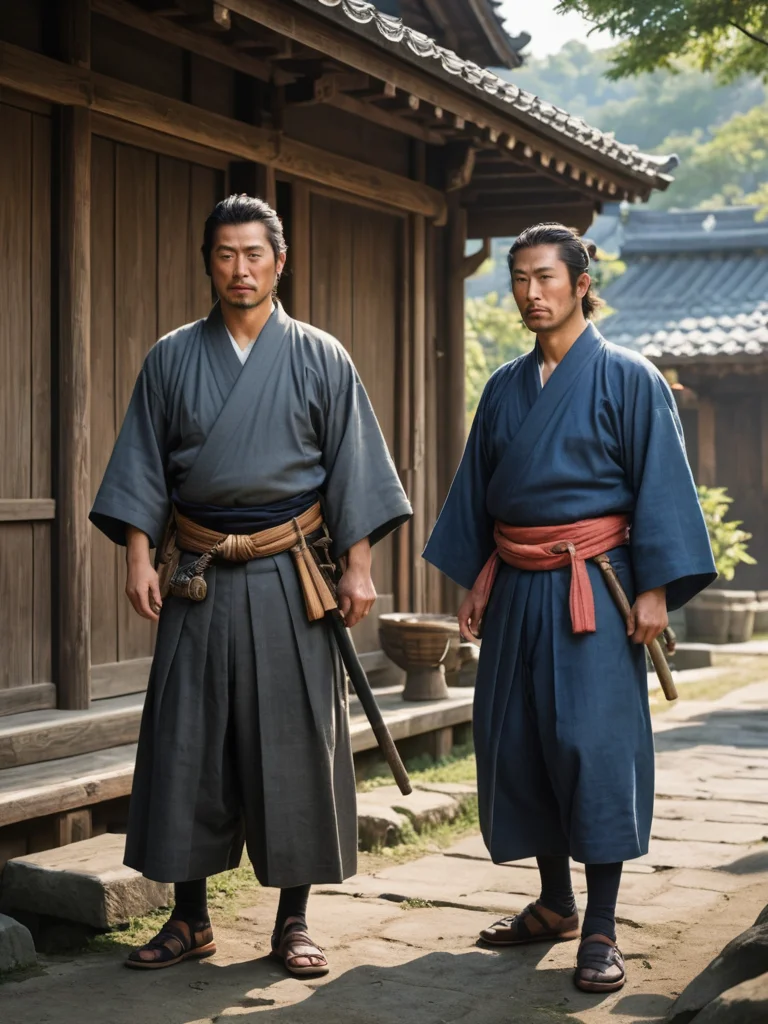
Welcome to history-moments.ru, where we strive to unravel the mysteries of the past and bring long-gone eras to life. Today, we embark on a fascinating journey to medieval Japan – a land that seems woven from legends, mysteries, and unshakeable traditions. Often, our perception of it is limited to images of fearless samurai with drawn katanas and elegant geishas parading through the streets of Kyoto. However, as is always the case with history, reality is far more complex, multifaceted, and undoubtedly much more interesting. We invite you to look beyond the veil of stereotypes and explore the daily lives of the people who built, created, fought, and simply lived in the amazing world of medieval Japan.
How Ordinary People Lived in Rus’ Before the Mongol Invasion: Daily Life in the Pre-Mongol Era
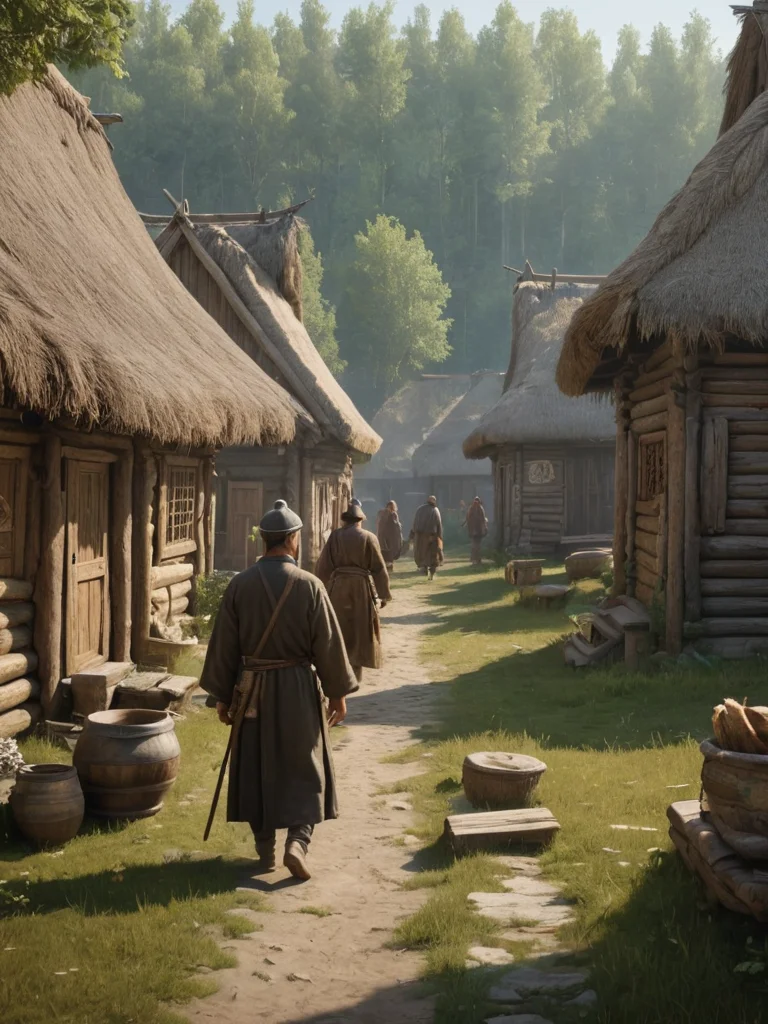
When we delve into the history of Ancient Rus’, our attention is often drawn to majestic princes, epic battles, and grand political intrigues. Chronicles meticulously record the deeds of rulers, the grandeur of churches, and the vicissitudes of internecine wars. However, behind these vivid pages of official history, a no less, and sometimes even more significant, part of the picture is often lost – the lives of millions of ordinary people, laborers, who, through their daily efforts, created the prosperity and culture of that time. It was their daily life, their joys and sorrows, their struggle for survival that formed the true fabric of ancient Russian society. It is impossible to understand Ancient Rus’ in its entirety without looking into humble huts, touching the calloused hands of plowmen, and listening to the whispers of ancient beliefs that guided the lives of our ancestors.
Baghdad and Cordoba: How the Flourishing Cities of the Islamic World Looked
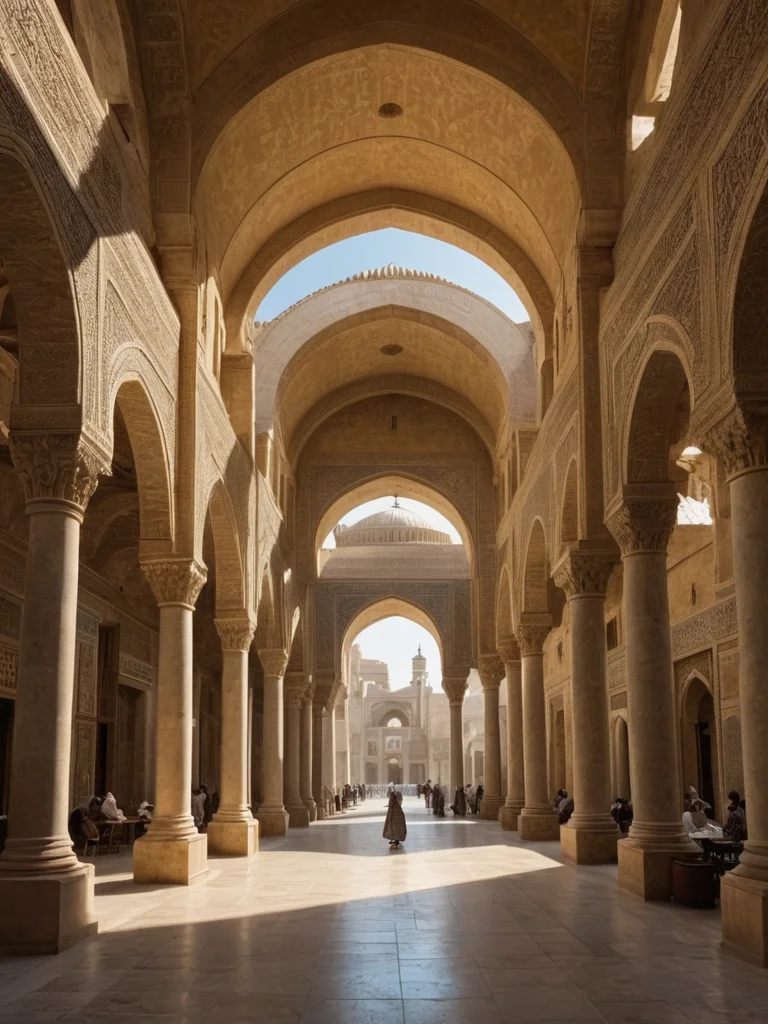
Throughout human history, there have been eras when certain regions became beacons of civilization, gathering the most outstanding minds, achieving incredible success in science, art, and trade. For the Islamic world, such an era was the so-called Golden Age, which lasted from the 8th to the 13th centuries. During this period, two great cities shone on the world map, like stars of the first magnitude: Baghdad in the East and Cordoba in the West. They were not just large settlements, but true metropolises, surpassing most European capitals of the time in their development and standard of living. Imagine megacities where the streets were lit at night, where a complex water supply system operated, and where libraries housed hundreds of thousands of priceless manuscripts – that’s what these centers of knowledge and progress were like.
Olympics-80 at Home: How Soviet People Watched the Era’s Main Sports Show
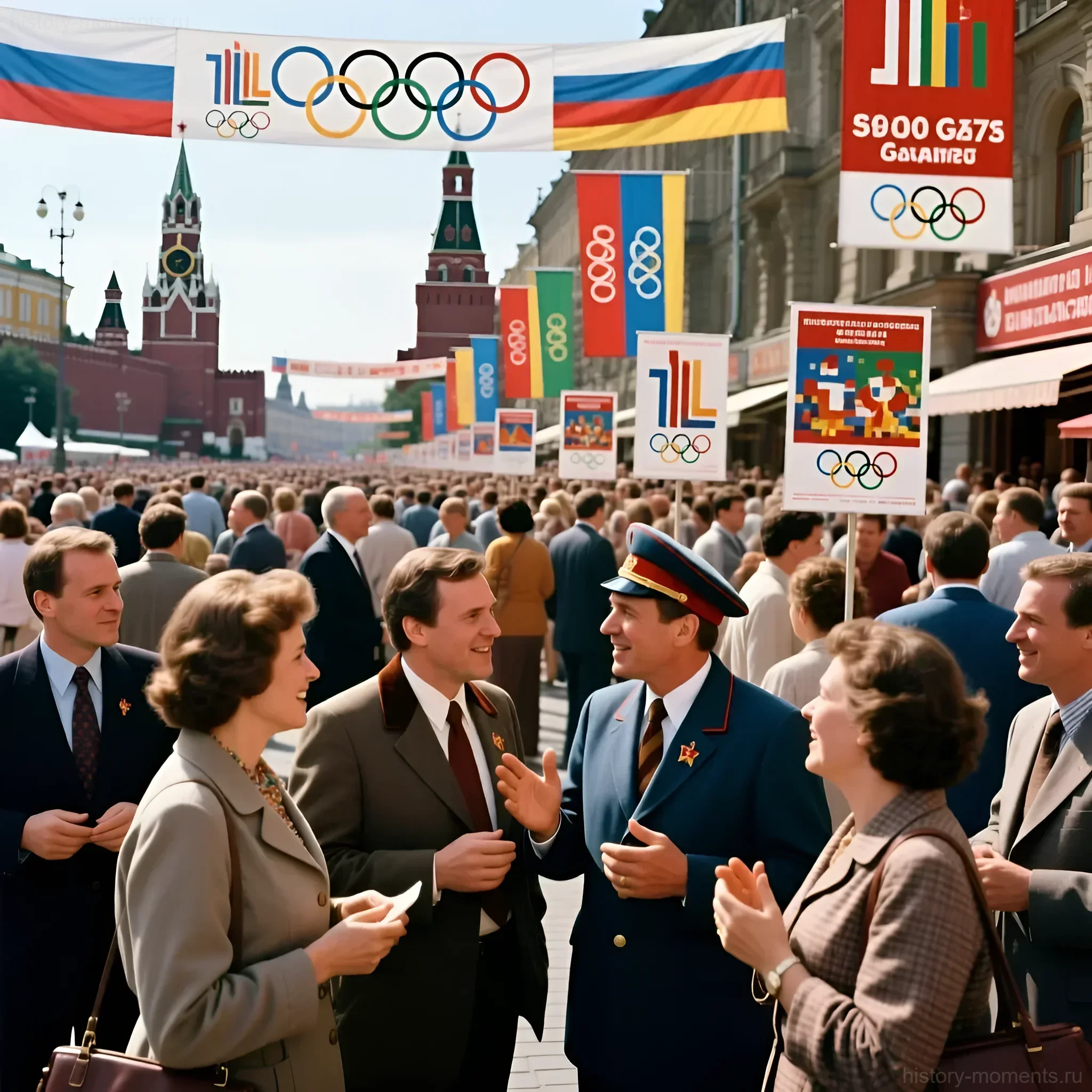
The summer of 1980 was special in the Soviet Union. It was the summer when the whole world, despite political storms, focused on Moscow for a brief period. The XXII Summer Olympic Games were an event that had been decades in the making and promised to be a showcase of socialist achievements. But for millions of Soviet citizens who couldn’t make it to the stadiums, the Olympics-80 became, first and foremost, a grand television event. It was an era when the country glued itself to the screens of black-and-white and newly emerging color televisions, not just to watch sports, but to catch a glimpse of the “big world.”
Time Travel: How Ancient Taverns and Inns Worked
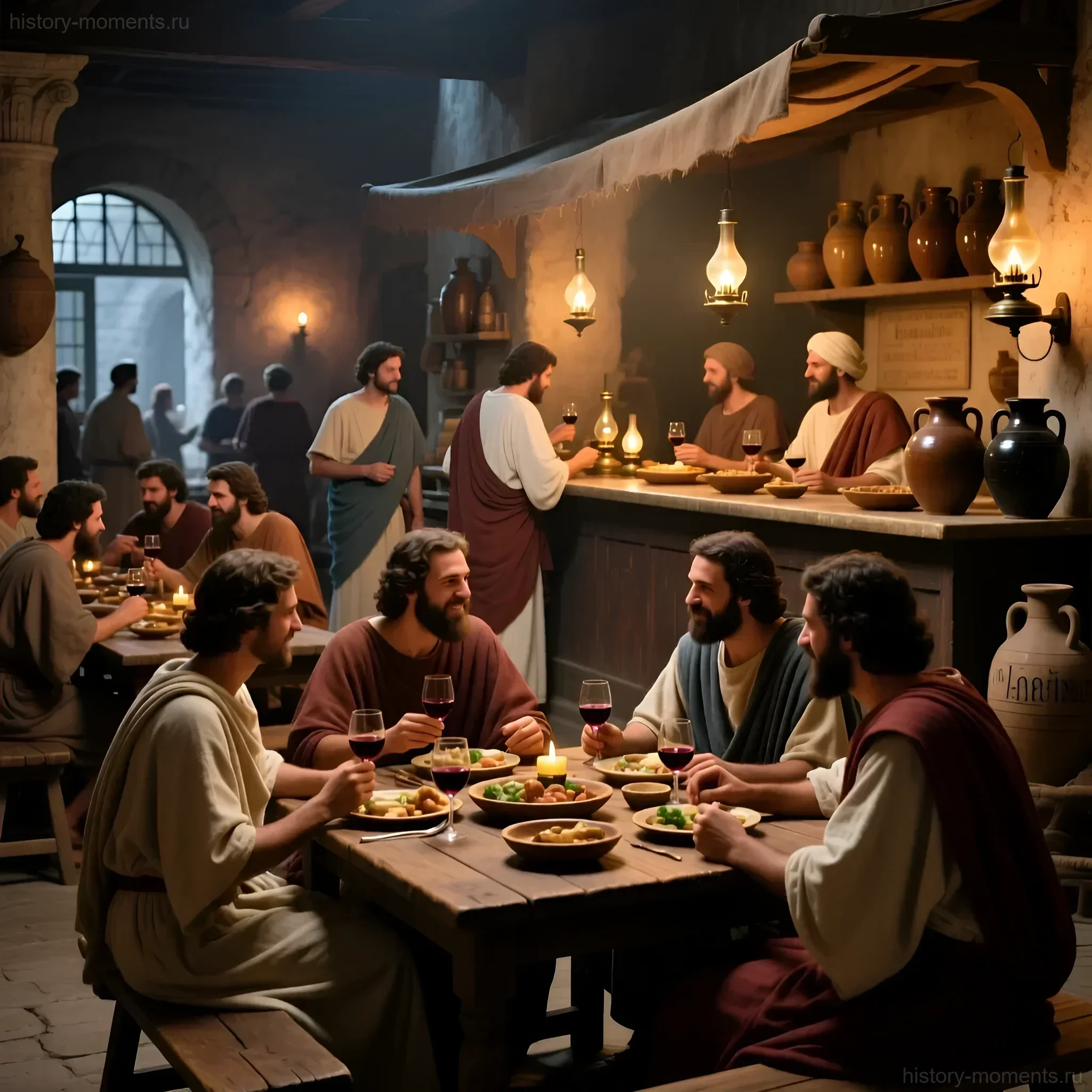
Imagine you are a weary merchant completing a long journey on the Appian Way, or a pilgrim heading to Santiago de Compostela, or perhaps a royal messenger rushing to deliver an important dispatch. Regardless of your era or social status, you were united by a sharp, vital need: to find a safe, warm haven where you could feed not only yourself but also your horse. Ancient taverns and inns were not just places to sleep; they were the circulatory system of civilization, hubs where rumors, trade, politics, and destinies intersected.
Medieval Peasant House: How the European Farmer Lived
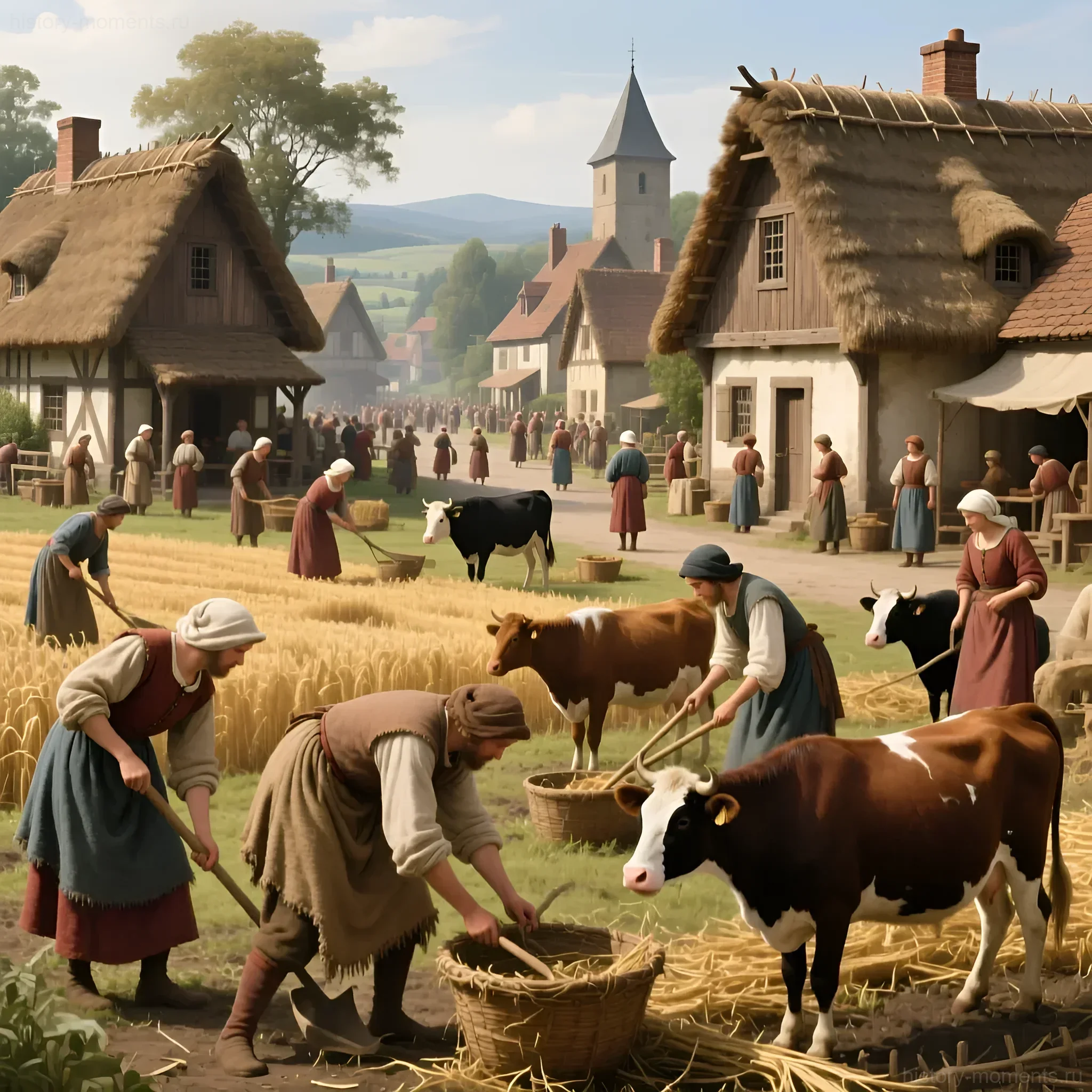
When we imagine medieval Europe, our imagination most often paints majestic castles, stone cathedrals, and knights in shining armor. However, the heart and foundation of this era beat not within the thick walls of feudal fortresses, but in quiet, smoky villages where millions of simple farmers lived. It was the peasants who constituted up to 90% of the population, and their dwelling – a modest but vitally important house – was a true reflection of their existence, their struggles, and their hopes.
Pioneer Camp: What a Soviet Child’s Happy Summer Looked Like
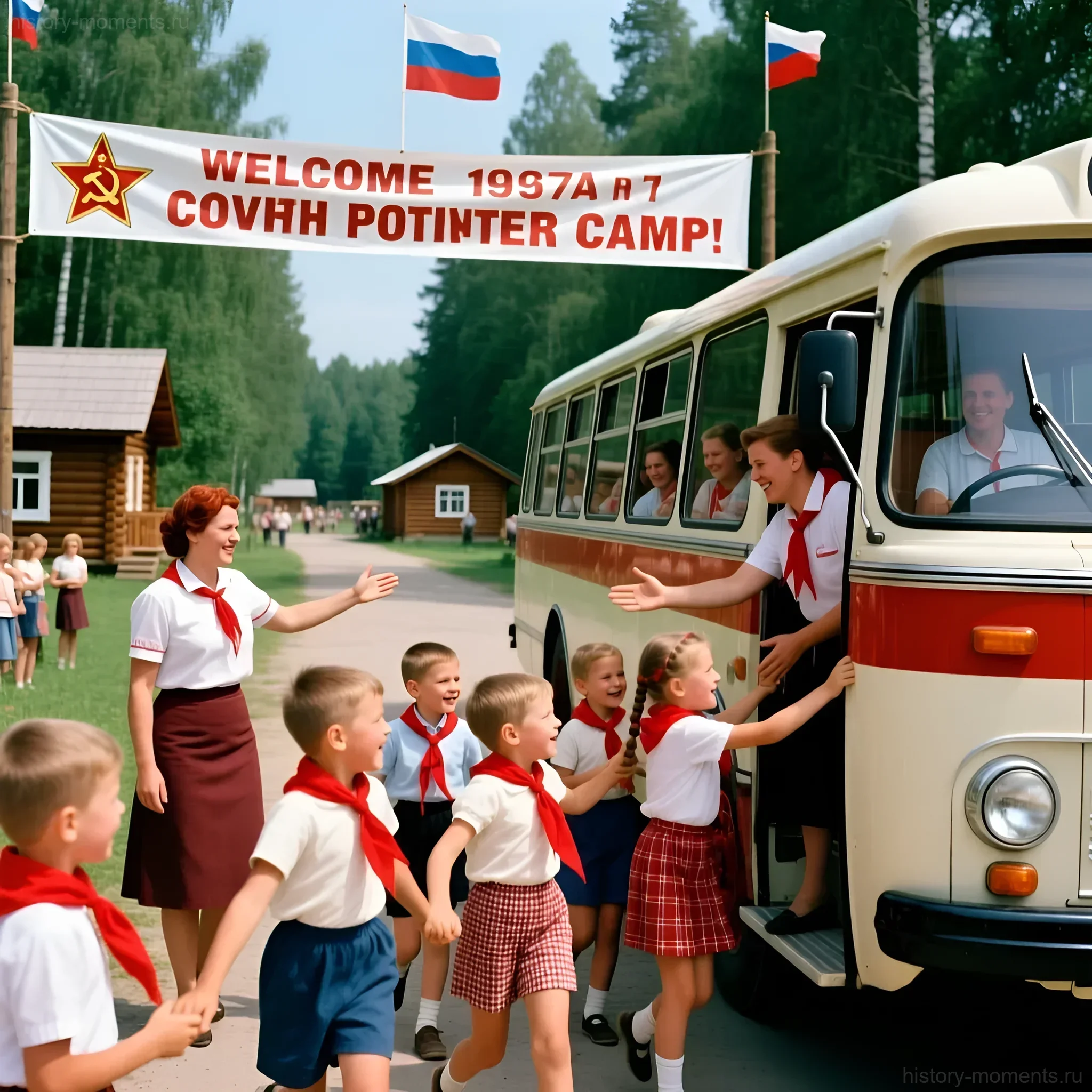
Summer holidays in the Soviet Union were not just a time for rest, but also an important element of the educational system. For millions of Soviet children, a pioneer camp became a real “republic of childhood,” where ideology was organically combined with adventure, friendship, and romance. If you want to understand what this unique phenomenon looked like, you will have to immerse yourself in a world where morning exercises were accompanied by the sound of a bugle, and the most important battle took place not on the battlefield, but on the sports field in the game “Zarnitsa.”
Attitude towards old age in the Ancient World: wisdom, respect, or burden? The history of a great paradox
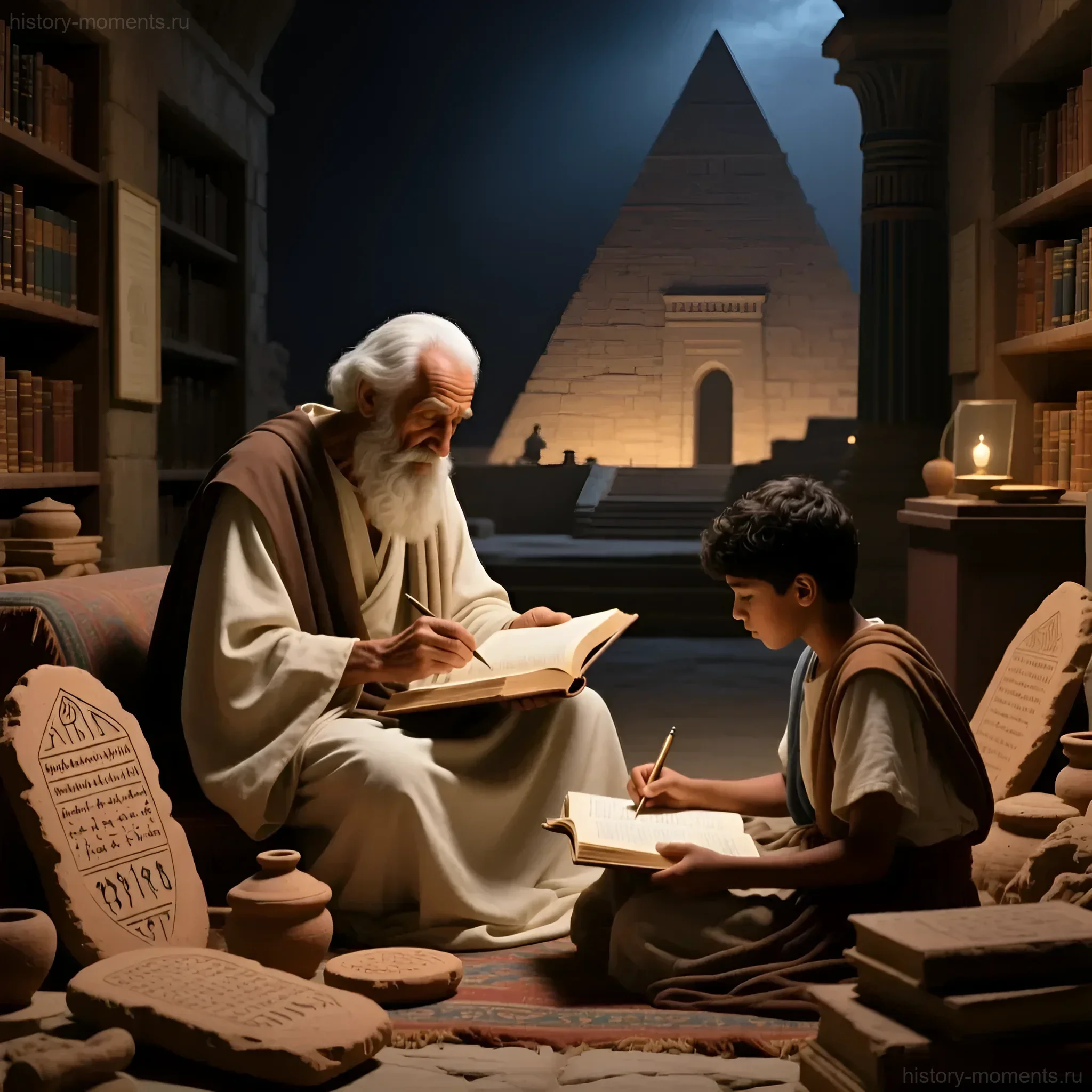
Imagine a world where reaching the age of 50 was a feat. A world where every gray hair was not a sign of wear and tear, but living proof of incredible luck, strength, and, most importantly, accumulated knowledge. This was the Ancient World. The attitude towards old age in those distant eras was paradoxical: it could be the crown of wisdom, a source of absolute power and unquestionable respect, but at the same time, a heavy burden, evoking fear and even rejection. We invite you on a deep historical journey to understand how the greatest civilizations of the past resolved this eternal dilemma: is old age a gift or a curse?
The Kensington Runestone: A Mystery That Could Rewrite US History
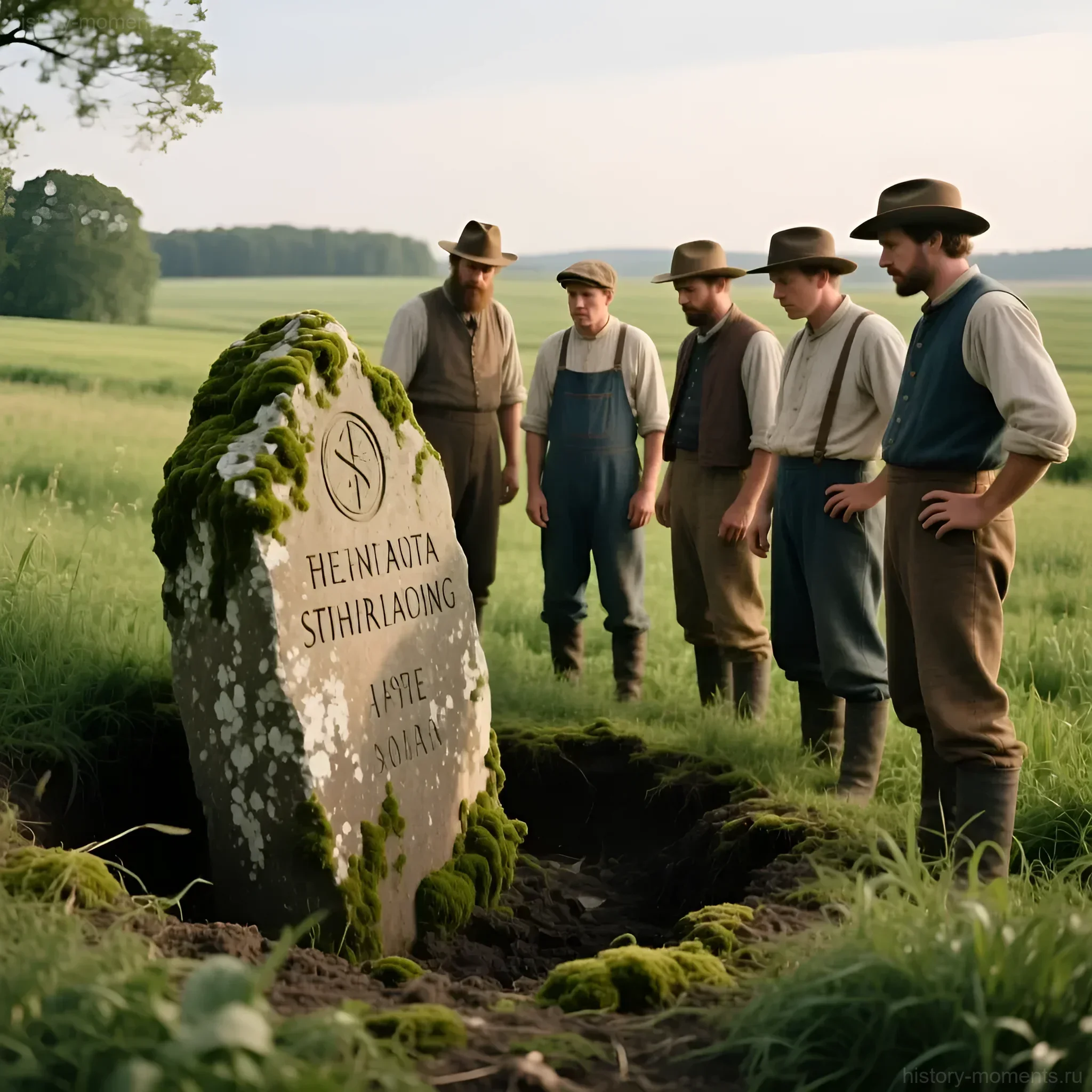
Imagine this: you’re digging in the soil on a farm deep in North America, thousands of miles from the ocean, and you find something that instantly challenges everything you thought you knew about the history of the New World. It’s not just an artifact; it’s a message carved in stone nearly seven centuries ago, claiming that Europeans reached modern-day Minnesota 130 years before Christopher Columbus was even born. This is the story of the Kensington Runestone – one of the most fascinating and controversial mysteries in American archaeology.