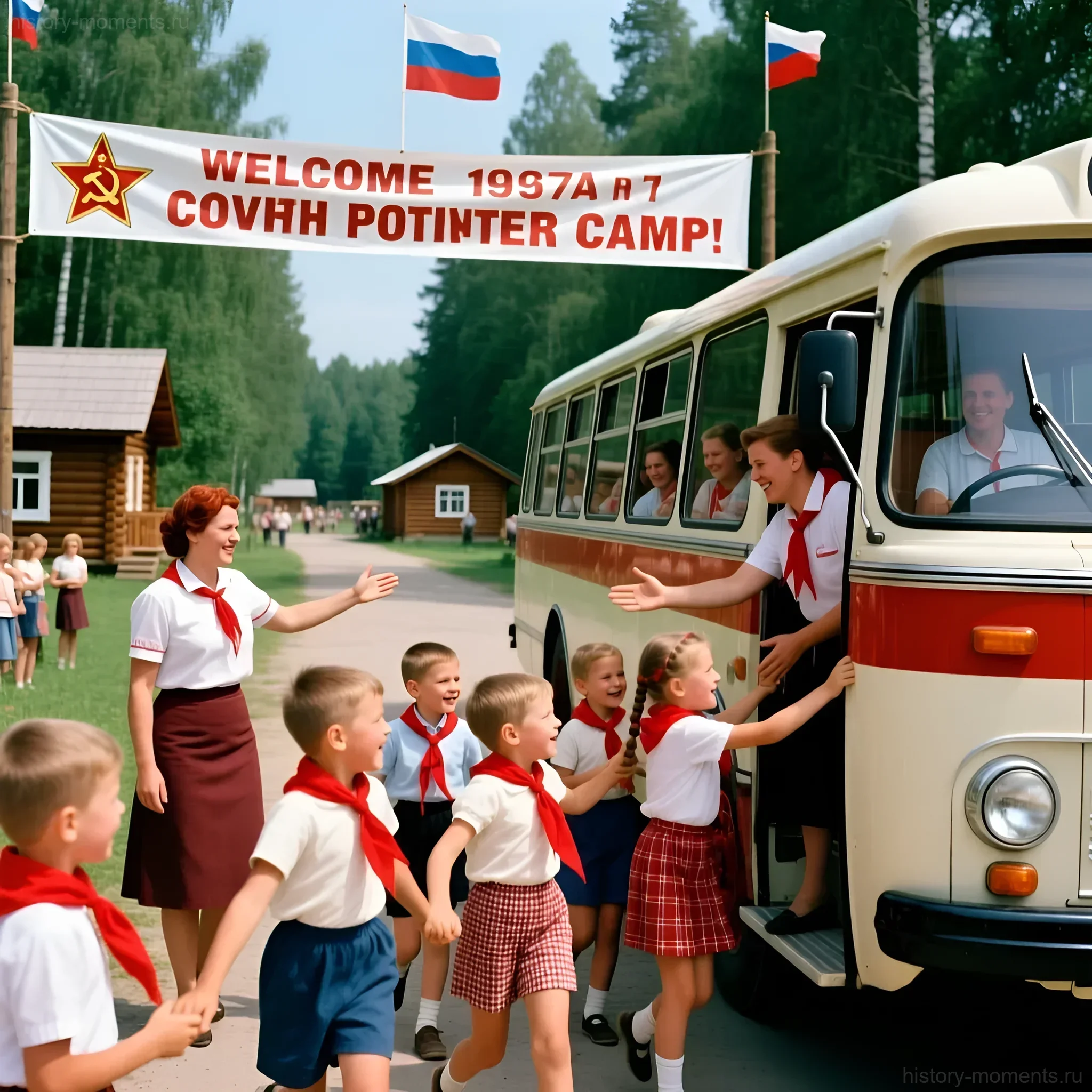
Summer holidays in the Soviet Union were not just a time for rest, but also an important element of the educational system. For millions of Soviet children, a pioneer camp became a real “republic of childhood,” where ideology was organically combined with adventure, friendship, and romance. If you want to understand what this unique phenomenon looked like, you will have to immerse yourself in a world where morning exercises were accompanied by the sound of a bugle, and the most important battle took place not on the battlefield, but on the sports field in the game “Zarnitsa.”
A typical Soviet pioneer camp was not just a place where children were sent for three weeks. It was a carefully designed miniature model of an ideal socialist society, with its own hierarchy, strict routine, and unique atmosphere of collectivism. We invite you, as historians, to study in detail what elements made up this world and how it functioned.
Pioneer Camp: The Gateway to a Happy Childhood
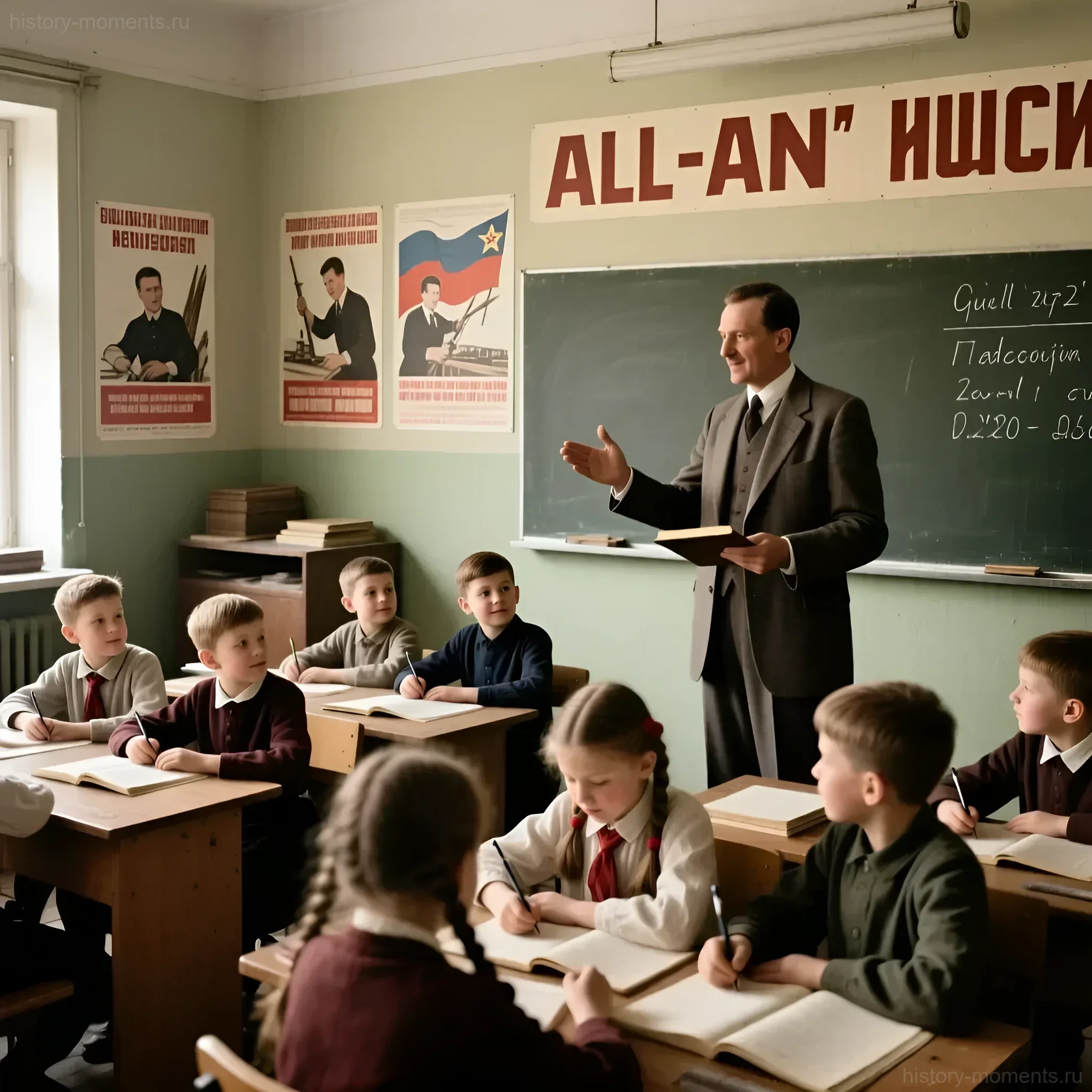
Imagine the scene: a pine forest filled with the scent of pine needles and sun-warmed earth. In the center of the territory is a wide asphalt square, over which a red flag proudly flies. This is the line-up. The camp territory was strictly zoned, reflecting its functional purpose.
A typical pioneer camp, especially those built in the 1960s-1980s, followed certain architectural canons. It was rarely luxurious (unless it was a national health resort like “Artek” or “Orlyonok”), but always functional and clean. The architecture was often standardized: buildings made of white or yellow brick, a large dining hall, a club, and an obligatory medical post.
- Residential buildings: usually two-story buildings, where each floor housed two to three pioneer detachments. Rooms were designed for 4, 6, or 8 people. The most important thing in the room was neatly made beds and evenly placed bedside tables, which were checked by counselors daily.
- Administrative building: housed the director’s office, the senior counselor’s room (camp headquarters), and the library.
- Club (or House of Culture): the heart of evening life, where film screenings, concerts, general assemblies, and discos were held. It necessarily had a stage and a projection booth.
- Sports grounds: a court for pioneerball or volleyball, horizontal bars, a running track.
The appearance of the camp immediately indicated its affiliation: slogans (“A Pioneer is an example to all children!”, “Be Ready – Always Ready!”), wall newspapers, and mandatory portraits of leaders (Lenin, and sometimes members of the Politburo) were displayed everywhere in the club or at the line-up. It was an environment where collectivism and discipline were visualized in every element.
From “Universal Education” to “Ready for Labor and Defense”: The Prehistory of Pioneer Camps
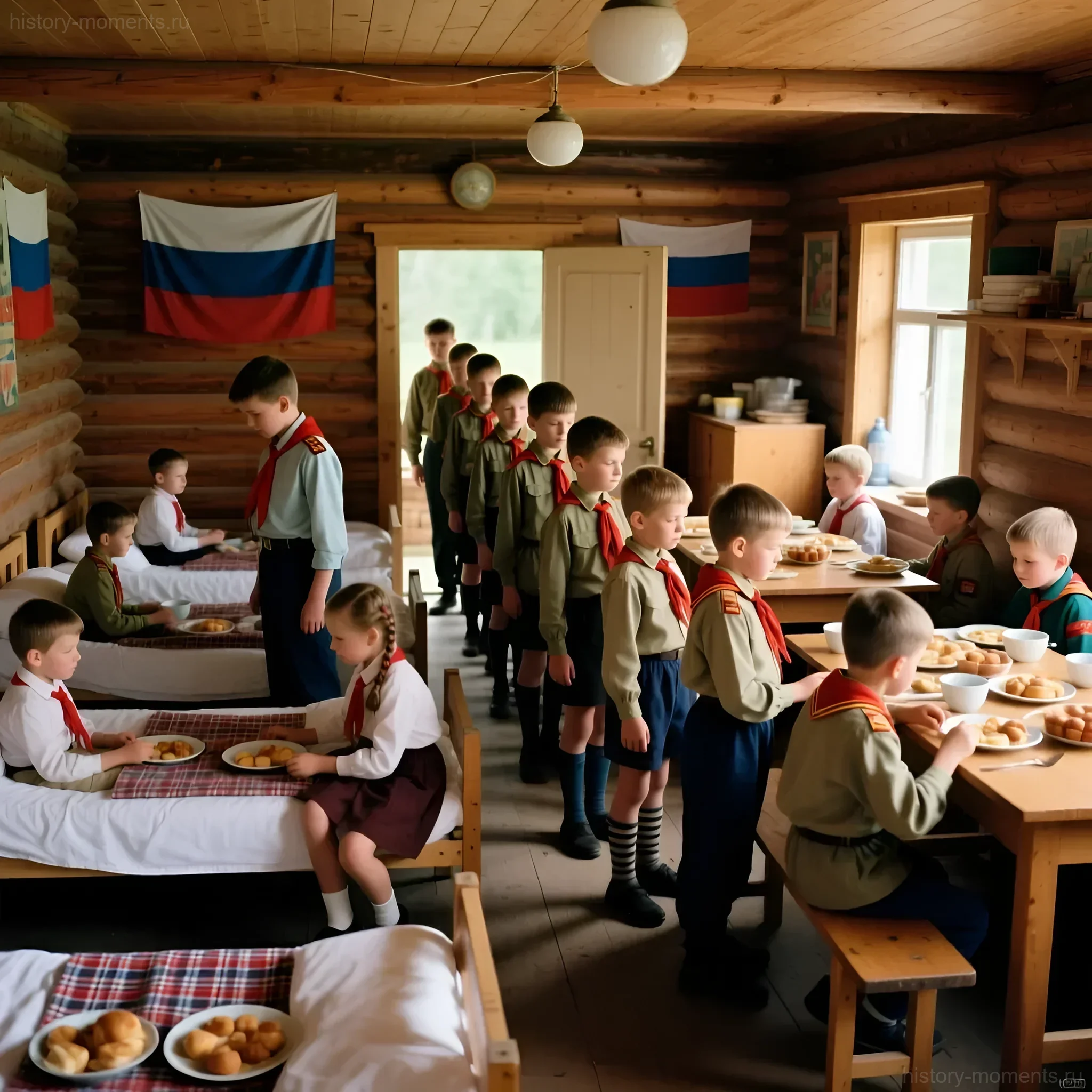
To understand the phenomenon of pioneer camps, one must turn to the early 20th century. The idea of summer holidays for children appeared in Russia even before the revolution (sanatorium colonies, dachas for the poor), but it was the Soviet government that turned it into a tool for mass education and health improvement.
The first children’s institutions that can be considered precursors to pioneer camps appeared in the 1920s and were called “children’s colonies.” Their goal was not only health improvement but also the re-education of homeless children, as well as introducing children of workers and peasants to a new, collective way of life.
Key stages of development:
- 1922: Establishment of the All-Union Pioneer Organization. The demand for summer bases for pioneers arises.
- 1925: Opening of the first and most famous pioneer camp – “Artek” in Crimea. Initially, it was a camp-sanatorium for children with tuberculosis, but it quickly became the flagship of the entire pioneer system.
- 1930s: Formation of a system of camps under industrial enterprises and trade unions. It was the trade unions (VTsSPS) that became the main operator and sponsor of camp recreation, making vouchers affordable or even free for parents.
- Post-war period (1950s-1980s): The golden age of pioneer camps. The state actively invested in the construction of standardized camps, which were intended to provide recreation according to a unified standard. By the early 1980s, over 40,000 pioneer camps and summer playgrounds operated annually in the USSR, accommodating up to 10 million children per season.
The fundamental difference between a Soviet camp and pre-revolutionary dachas lay in its purpose: it was a place where children not only rested but also learned the norms of collectivism, discipline, and ideological loyalty. All activities, from reveille to lights out, were aimed at forming the “new man,” ready for labor and defense (GTO).
Daily Routine and Life: How a Typical Pioneer Camp Was Organized
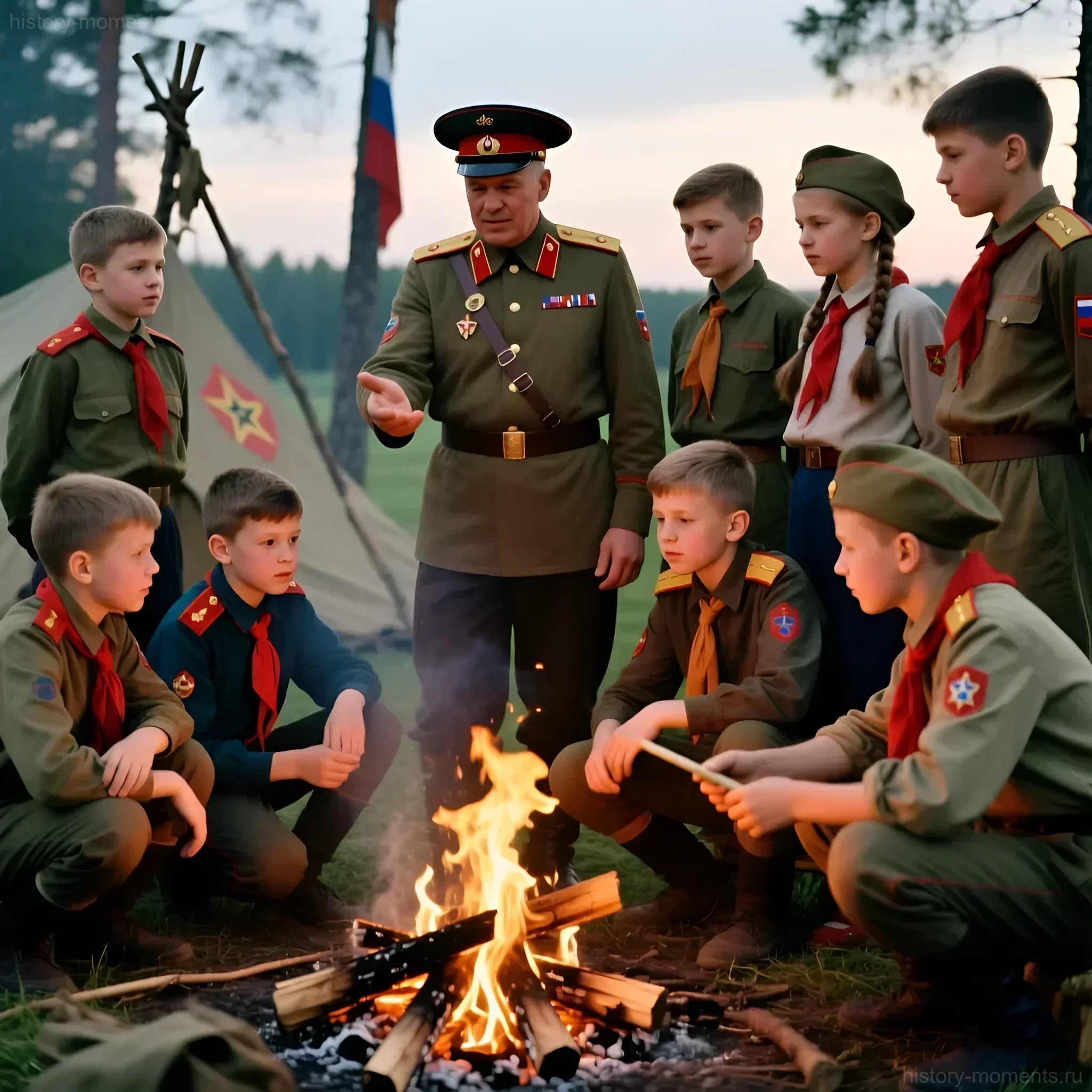
If you have ever vacationed in a Soviet pioneer camp, you know that it was a life governed by the rhythm of the bugle. A strict but understandable daily routine was the core around which the entire camp session, usually lasting 21 days, was built.
A typical day began early. Here’s what an average daily schedule looked like:
| Time | Activity | Description and Details |
|---|---|---|
| 7:30 AM | Reveille (Signal “Wake up, vast country!” or simply a bugle) | Time for washing up and making beds. |
| 7:45 AM | Morning Exercise | Mass event on the sports field or line-up under the guidance of the physical education instructor or counselor. |
| 8:00 AM | Line-up | Assembly of the entire camp. Flag raising, reports from detachment commanders, announcement of the day’s plans, and awarding of distinguished individuals. |
| 8:30 AM | Breakfast | In the dining hall. Detachments enter in an organized manner. |
| 9:30 AM–12:30 PM | Detachment Activities / Clubs / Socially Useful Labor (SUL) | Attending clubs (model aircraft, young naturalist), preparing for competitions, cleaning the territory (SUL). |
| 1:00 PM | Lunch | The most substantial meal. |
| 2:00 PM–4:00 PM | Quiet Hour (Sleep Hour) | Mandatory rest. Counselors ensured silence. |
| 4:30 PM | Afternoon Snack | Usually a glass of kefir or juice with a bun/cookie. |
| 5:00 PM–7:00 PM | Sports Games / Preparation for Evening Event | Pioneerball, football, rehearsals. |
| 7:30 PM | Dinner | The last main meal. |
| 8:30 PM | Camp-wide Event / Disco / Campfire | The highlight of the day. |
| 9:30 PM | “Ogonek” (for older detachments) | Detachment gathering, discussion of the day, criticism and self-criticism, planning for the next day. |
| 10:00 PM | Lights Out | Lights out. |
Discipline was maintained not only by counselors but also by competition. The camp was divided into detachments (by age), and detachments competed for the right to be the “best detachment of the session.” Results were recorded at the daily line-up and displayed on a special board – the competition scoreboard.
Counselors, Commanders, and Activists: Key Figures in Pioneer Life
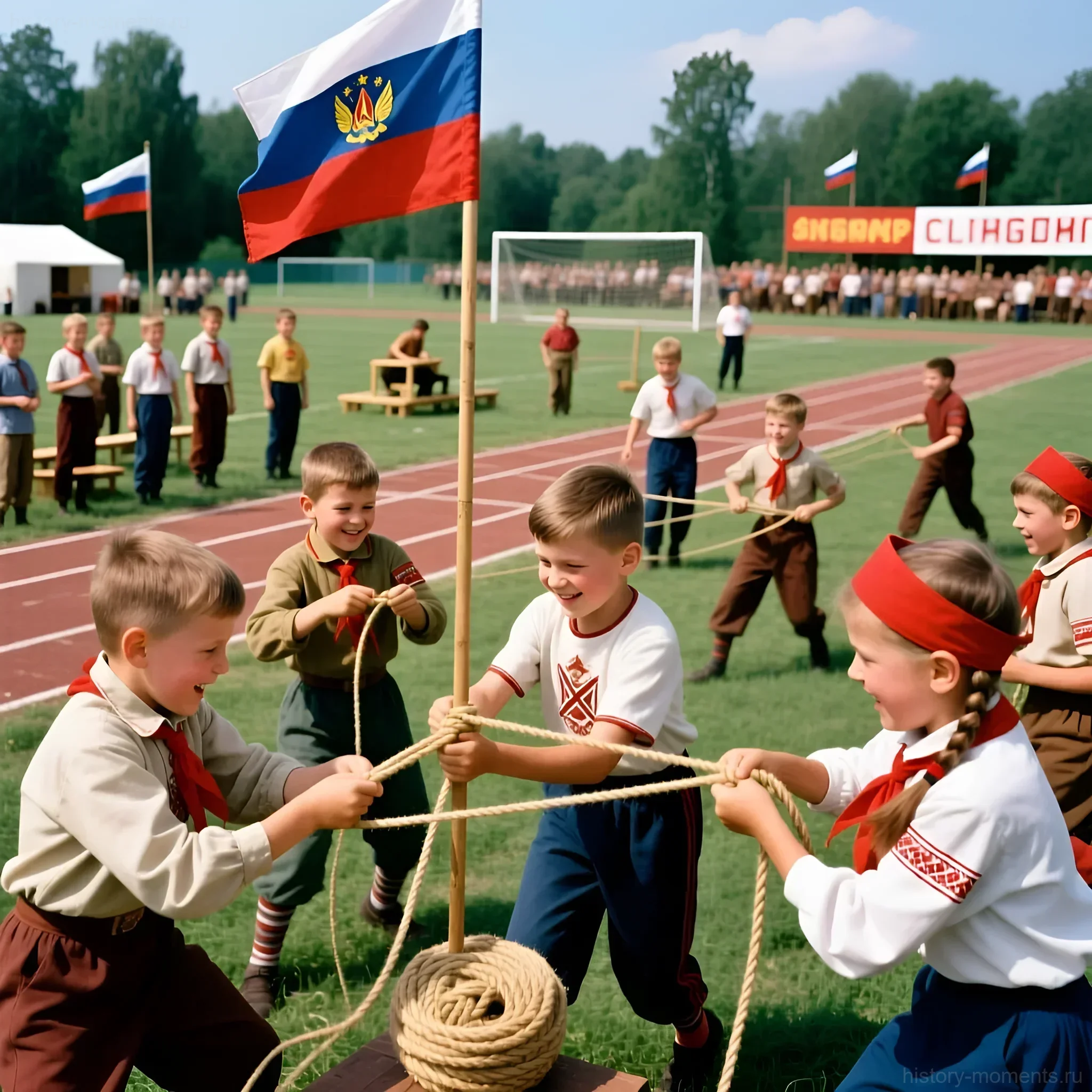
Who managed this “republic”? Unlike Western summer camps, where staff were often just hired employees, a Soviet pioneer camp was part of the pedagogical machine, and counselors played the role not only of educators but also of ideology guides.
1. Camp Leadership:
At the head was the Director, often an experienced educator or party official. But the real ideological and organizational center was the Senior Counselor. This was, as a rule, an active Komsomol member, a student of a pedagogical university, or a full-time employee of the district Komsomol committee. He was responsible for all educational work, conducting line-ups, and camp-wide events.
2. Detachment Counselors:
The figures closest to the children. Counselors were usually 3rd-4th year students of pedagogical institutes or universities (faculties of philology, history, pedagogy). For them, this was mandatory summer practice. A detachment counselor (or a pair of counselors for a detachment of 25-40 children) had to be versatile: a psychologist, an organizer, a strict mentor, and a friend. They lived with the children, were responsible for their health and moral character. Their authority was indisputable, although it was reinforced not so much by orders as by personal example and charisma.
3. Pioneer Activists:
The camp operated on the principles of pioneer self-governance, which was a key element in fostering responsibility. Each detachment had:
- Detachment Commander: elected by the pioneers themselves, responsible for order, reporting at the line-up.
- Detachment Council: included the cultural organizer (responsible for entertainment), sports organizer (sports), sanitation organizer (hygiene and cleanliness), and wall newspaper editor (wall newspapers).
- Squad Council: the highest body of self-governance in the camp, consisting of the commanders of all detachments and the camp leadership.
This system allowed children to feel their importance and learn organizational skills, albeit within strictly controlled limits.
Games, Competitions, and Events: What Pioneers Did at Camp
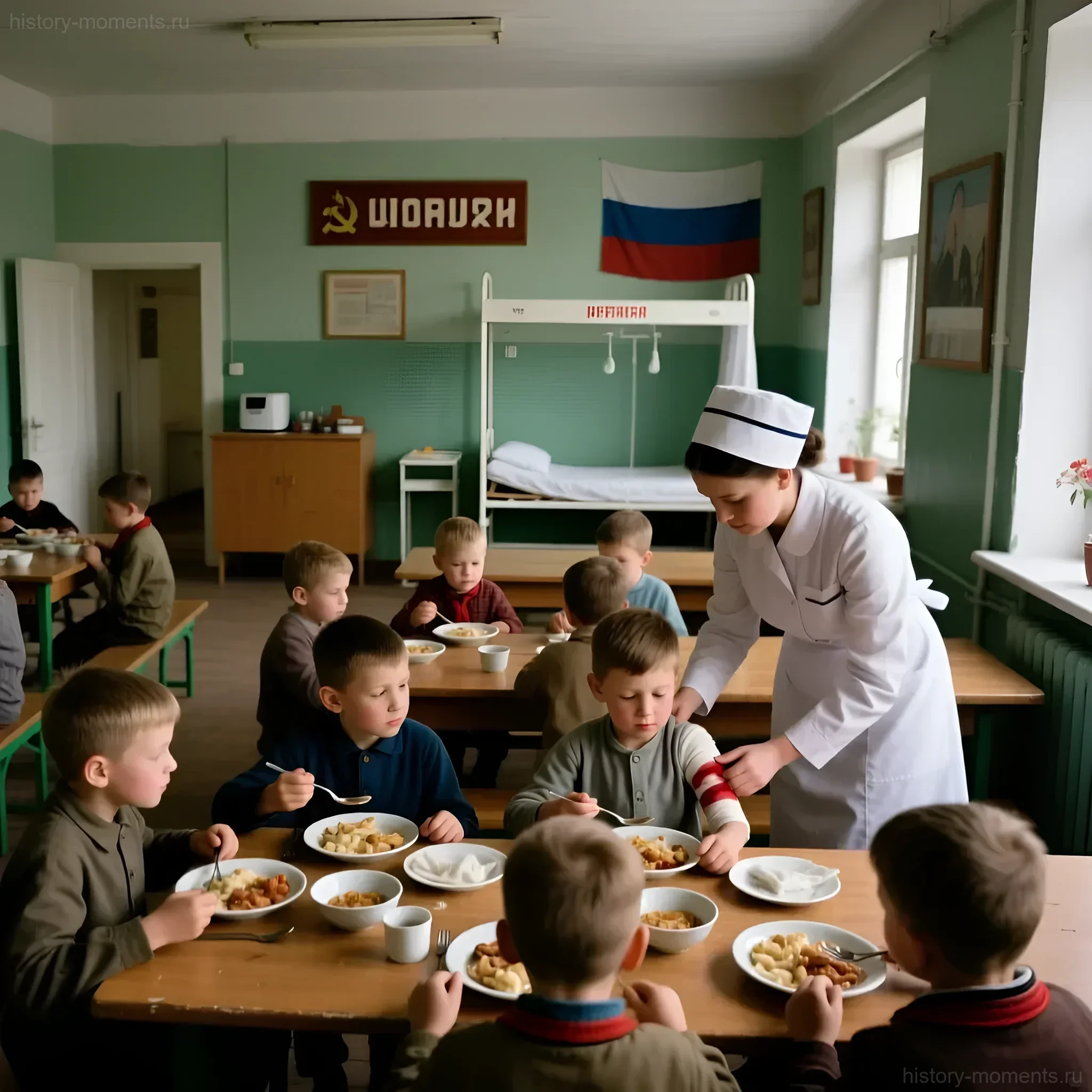
Despite the strict discipline, a pioneer camp was, above all, a place of incredible fun and adventure. It was the games and creativity that created the very “romance of pioneer summer.”
1. Military-Sports Games:
The main event of the session was often “Zarnitsa.” It was a large-scale military-sports game simulating combat operations. Detachments were divided into “armies,” given maps, went through stages (grenade throwing, obstacle course), and, most importantly, tried to “capture the enemy’s banner,” guarded by “border guards.” “Zarnitsa” valued not only physical fitness but also the ability to work in a team, navigate the terrain, and plan.
2. Creative and Cultural Events:
- Amateur Concerts: Each detachment had to prepare several acts (songs, skits, dances) for the camp-wide concert. Often these were thematic concerts dedicated, for example, to Victory Day or the friendship of peoples.
- KVN and “Come on, Girls/Guys!”: These competitions were a mandatory element of the evening program in the club. They required wit, resourcefulness, and acting skills.
- Designing Wall Newspapers and Bulletins: The detachment’s editorial team regularly produced wall newspapers, which reflected the detachment’s achievements, criticized sloppy pioneers, and featured humorous sketches.
3. Traditional Days:
The session was filled with special, informal traditions that were remembered the most:
- Neptune’s Day: A holiday dedicated to water and sea deities. Usually held in the middle of the session. The culmination was mass water splashing, “initiation” of newcomers, and theatrical performances.
- Campfires: The main event, held at the opening and closing of the session. Gatherings around a large campfire, singing pioneer songs with a guitar, solemn speeches, and, of course, the legendary camp “scary stories.”
- “Treasure Hunt” (Quest): Detachments received coded tasks to find a hidden prize. This event developed logic and problem-solving skills.
Nutrition, Living Conditions, and Medical Care: What You Need to Know About Life in a Pioneer Camp
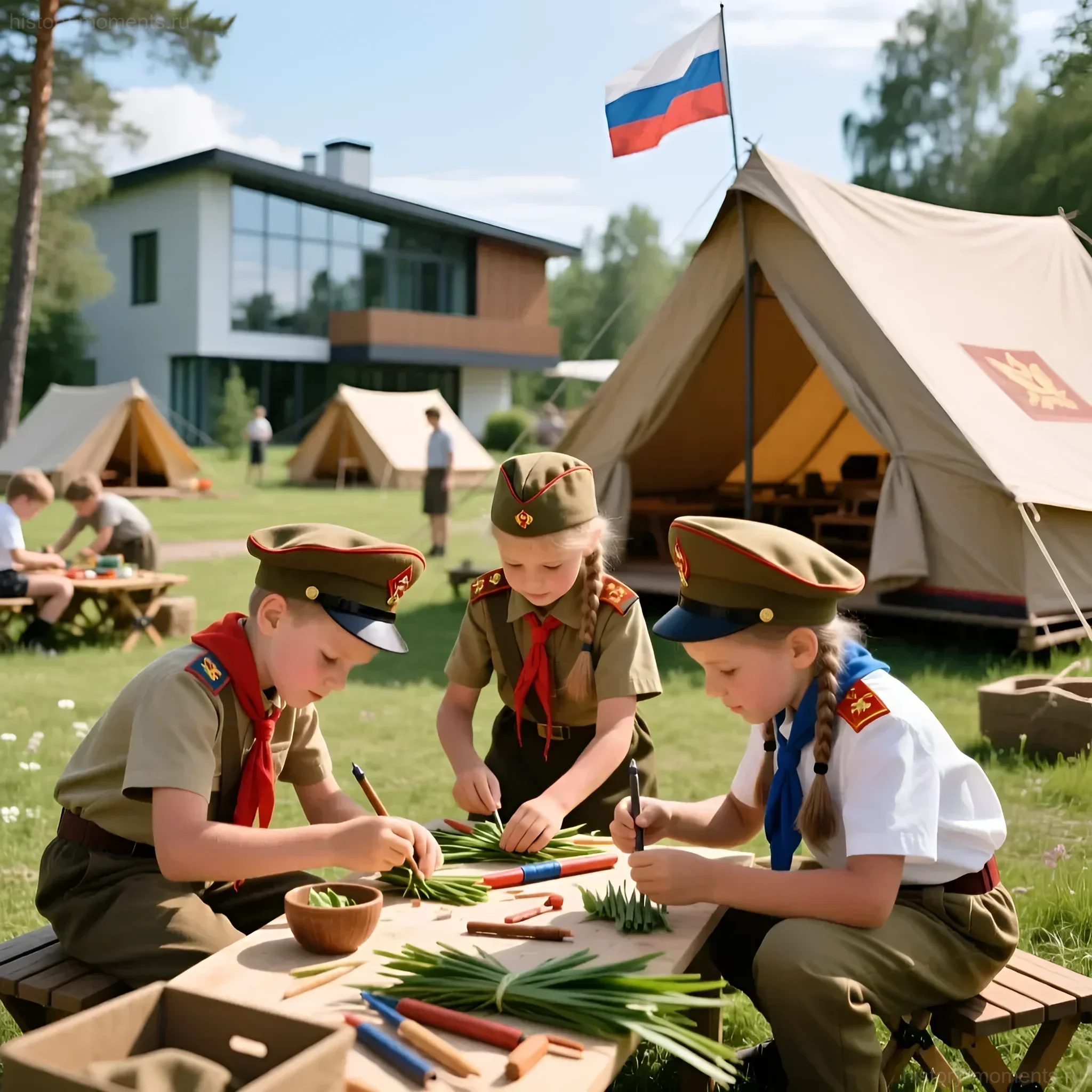
Living conditions and nutrition in pioneer camps were strictly regulated by sanitary norms and state standards. The main goal was not only to feed but also to improve the child’s health.
Nutrition: Four Meals a Day
Meals were mandatory four times a day (breakfast, lunch, afternoon snack, dinner). The menu was simple, caloric, and oriented towards Soviet dietary standards. The quality, of course, varied greatly depending on the region and the supplying organization (the sponsoring enterprise), but overall it was balanced:
- Breakfast: Porridge (buckwheat, semolina, rice), bread with butter and cheese, sweet tea or cocoa.
- Lunch: Mandatory first course (soup, borscht), second course (cutlets, goulash, fish, side dish of potatoes or pasta), and compote.
- Afternoon Snack: Fruits, juice, kefir, buns.
- Dinner: Dishes made from cottage cheese, casseroles, or light meat dishes.
The dining hall was a huge, echoing space. Children sat at long tables by detachments, and duty pioneers (assigned from each detachment for the day) helped set the tables and clear the dishes.
Living Conditions:
Accommodation was strictly collective. Rooms had mandatory bedside tables for personal belongings and wardrobes for clothes. The main bane of daily life was constant control over cleanliness. A “cleanliness check” was conducted daily, assessing how beds were made, and if the area under them and in the bedside tables was clean. Unsatisfactory results were immediately reflected on the “competition scoreboard.”
Bathrooms were usually shared on each floor or in the building. Hot water was not always available, especially in older camps, so washing feet and faces often took place in cool water, and bathing days (visiting the camp-wide bathhouse or showers) were scheduled strictly, usually once a week.
Medical Care:
Each camp had a medical post with a mandatory doctor and nurse. Their work was critically important. If a child fell ill (most often with a cold or intestinal upset due to unfamiliar food), they were immediately isolated in a special room – the infirmary. The main medicines remembered by all Soviet children were brilliant green, iodine, activated charcoal, and, of course, cod liver oil (although it was given less often in the 80s).
Pioneer Camps Today: Legacy and Modern Interpretations
With the collapse of the Soviet Union in 1991, the pioneer camp system, which relied on funding from trade unions and state enterprises, collapsed. Thousands of camps closed, their territories were abandoned or sold. However, the legacy proved too important to disappear completely.
Today, three main paths can be identified for former pioneer camps:
- Commercialization and Renovation: Many camps were privatized or transferred to private companies, becoming modern children’s health resorts. They retained their structure (buildings, dining hall, club) but completely updated their infrastructure, offering comfort comparable to hotels. Traditions (campfires, line-ups) are often preserved, but without the ideological undertones.
- State Flagships: Camps of federal significance (such as “Artek,” which was revived and modernized after 2014, and “Orlyonok”) continue to operate, preserving pedagogical traditions but focusing on modern educational programs (sessions dedicated to science, technology, media).
- Abandoned Objects: Unfortunately, thousands of camps belonging to bankrupt factories and collective farms remain standing in the forests as monuments to a bygone era. Their empty buildings, peeling slogans, and rusty pioneer statues have become objects of industrial tourism and mythology.
Modern summer camps, while offering a wider choice of activities (from robotics to language courses), largely rely on the model created in the USSR: the detachment system, student counselors, and collective creative activities. But the spirit of strict discipline and mandatory ideology has gone irrevocably.
Interesting Facts About Soviet Pioneer Camps: Stories, Traditions, and Amusing Incidents
The atmosphere of a pioneer camp was woven from many small but vivid details that created its unique flavor.
1. Secret Mail and “Ogonek”
In addition to official mail, there was often a “secret mail” system in the camp, which delivered anonymous (and often romantic) notes between detachments. This was a form of communication that counselors tacitly encouraged, as it helped children socialize.
The most important evening ritual was “Ogonek” – a detachment gathering, often by candlelight or a small campfire. This was a time for “criticism and self-criticism.” Anyone could express what they liked or disliked about the behavior of their comrades or counselors. This was a very serious tool of collective influence that taught children to publicly evaluate their actions.
2. Legends and “Scary Stories”
No camp was complete without its myths. Since camps were often located in forests, far from civilization, this gave rise to entire cycles of “scary stories” that were told under the blankets during quiet hour or around the campfire. Stories about the “Black Hand,” the “Green Eyes,” or the “Pioneer Tie-Boa” were an obligatory part of the folklore.
3. Opposite Day
One of the most beloved informal holidays was Opposite Day. On this day, all the rules were turned upside down: younger detachments commanded older ones, counselors could follow children’s orders, breakfast was served at dinner, and morning exercises were held in the evening. This was a valve for releasing tension from strict discipline.
4. Uniform and Symbolism
Although children came to camp in their own clothes, for formal events (line-ups, excursions), wearing the pioneer uniform was mandatory: white shirts, blue or black trousers/skirts, and, of course, a red tie. The tie was a symbol of belonging and had to be perfectly ironed and tied with a special knot. A wrinkled tie could earn a strict reprimand.
A typical Soviet pioneer camp was a unique laboratory where children learned to live in a collective, overcome everyday difficulties, and, most importantly, dream of a bright future. For those who went through this system, memories of summers filled with the calls of the bugle, the smell of campfire, and loyal friends forever remained a symbol of the happiest childhood.