
Imagine an endless road stretching into the distance, where every turn reveals a new story, and every stone on the roadside holds the memory of those who passed before you. This is not just a road – it is an artery of civilization, a symbol of freedom, and the embodiment of human courage. Today, we talk about Route 66 – the “Mother of All Roads,” which will celebrate its centenary in 2026. But to understand its significance, we must look deeper – into the history when humanity first decided to overcome the void, paving a path through the unknown.
 admin
admin
The Rehearsal of 1776: What Happened Behind the Scenes in June 1776
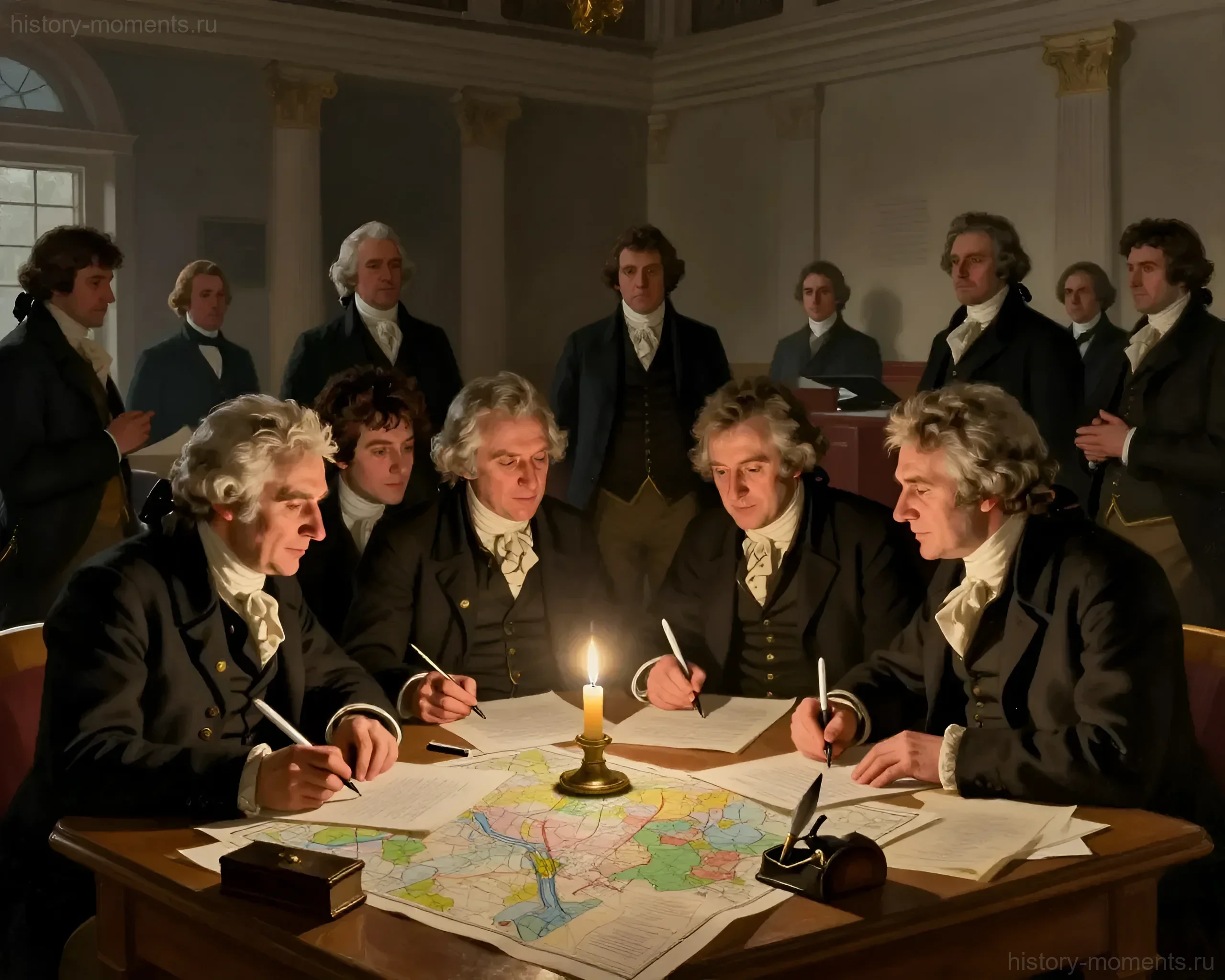
Imagine Philadelphia in June 1776. A city that just yesterday was merely a major port of the British Empire, today transformed into the epicenter of a geopolitical earthquake. A strange, almost electric silence reigns in the streets. People whisper, looking into each other’s eyes, trying to guess what the Founding Fathers will decide in Independence Hall. The air is thick with heat and even thicker with tension. It was in this month, a few weeks before the famous July 4th, that what historians call the “rehearsal” for the great revolution was taking place behind the scenes of Congress.
Why June specifically? Because by this point, the war was already underway. The Battle of Lexington and Concord had occurred back in April 1775, and Boston was under siege. But formally, the colonies were still part of the British Empire. King George III was furious, but his anger had not yet been definitively formalized into a legal break. June 1776 became the moment of truth, when words turned into action. The delegates of Congress understood: if they didn’t declare independence now, they might miss the moment when British troops would deliver a decisive blow. This was not just a political step; it was an act of desperation and courage simultaneously.
The First Neural Networks of Antiquity: How Babylon and Rome Automated Population Registration
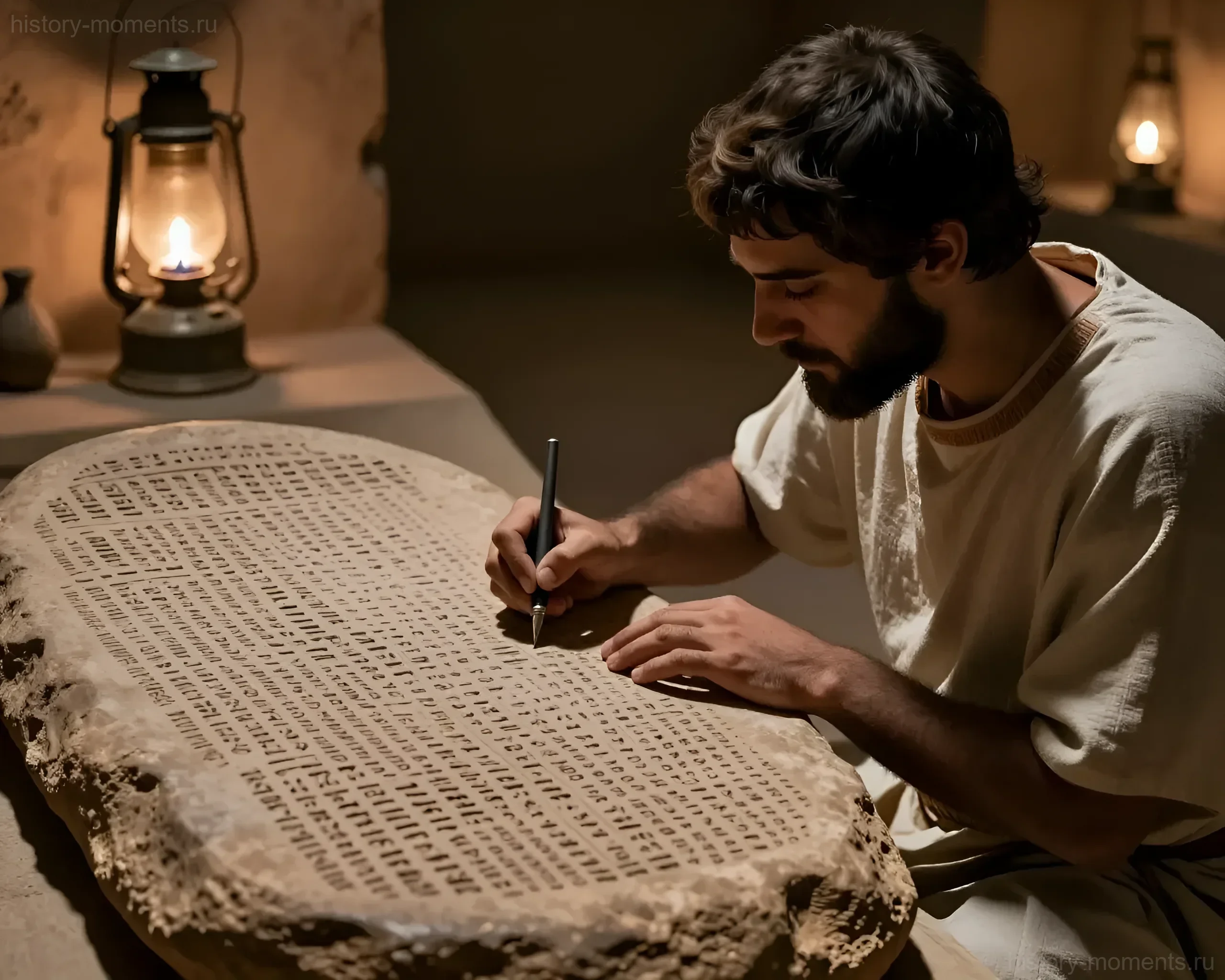
Imagine a world without a single computer, database, or machine learning algorithm. Now, imagine that in this world, rulers knew the exact number of their subjects, how much grain was harvested in each district, how many soldiers could be drafted into the army, and how much tax to collect from each household. Sounds like science fiction? But this was the reality of antiquity. And today, when we talk about artificial intelligence and automation, it’s worth considering: humanity’s first “neural networks” appeared long before electricity.
Hippodrome of Constantinople: More Than Just Races
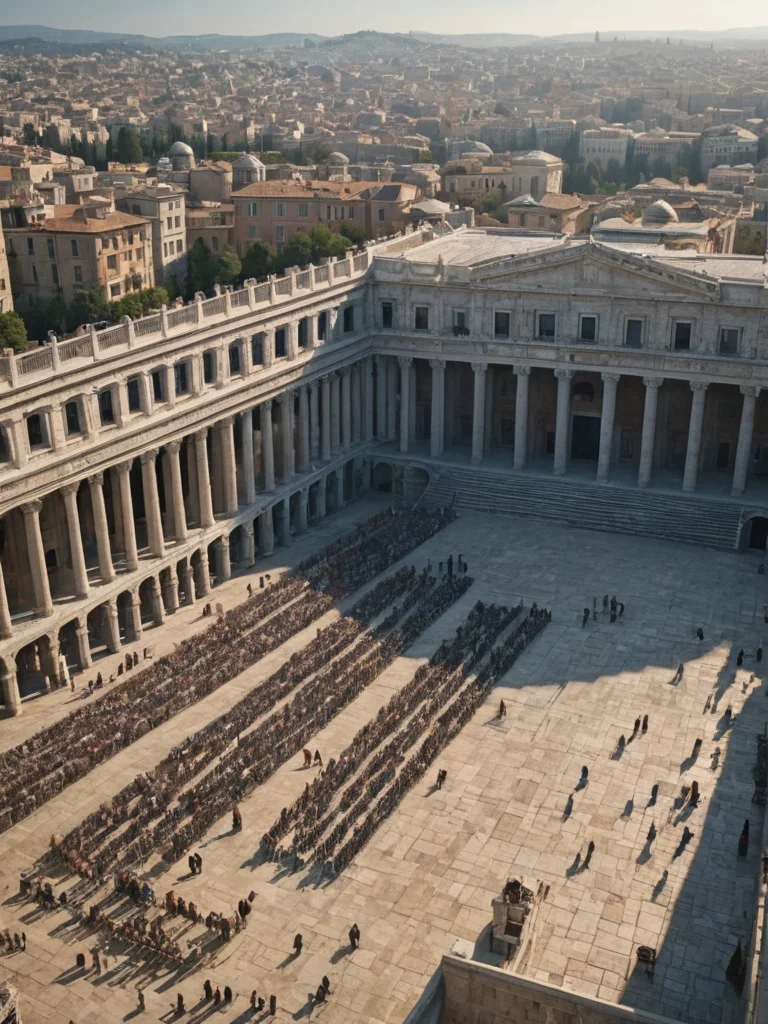
History preserves many places that were not just buildings, but true symbols of eras, stages on which great dramas of the human spirit unfolded. Such a place was the Hippodrome of Constantinople – a colossal structure located in the very heart of the Byzantine Empire. You can imagine it as the largest stadium of its time, but this would only be the tip of the iceberg of its true significance. The Hippodrome was not just an arena for sporting competitions; it was the pulsating center of the social, political, and even religious life of the great capital, a point where representatives of all strata of society, from the emperor to the simple craftsman, gathered to watch, participate, and, at times, make history.
How Medieval Courts Worked: From “Trial by Ordeal” to Interrogations
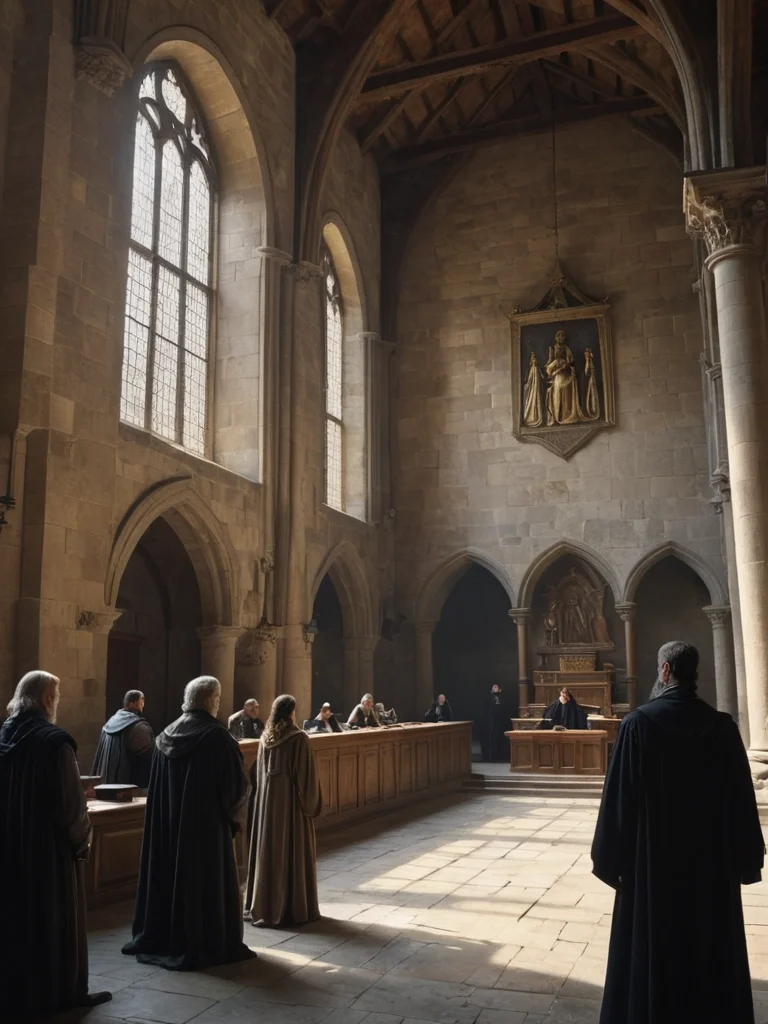
Imagine a world where justice was not dispensed in stuffy courtrooms with juries and lawyers, but under the open sky, where God himself could be the judge, and the proof of innocence was a red-hot poker. Welcome to the medieval justice system – a world simultaneously primitive and deeply symbolic, cruel and paradoxically rational for its time. For a modern person, many aspects of medieval courts may seem wild and unfair. However, if we look deeper, we see not just a chaotic system, but a complex mechanism that attempted to establish order in a society based on faith, tradition, and very limited scientific knowledge.
Life in the Jewish Ghetto of a Medieval City
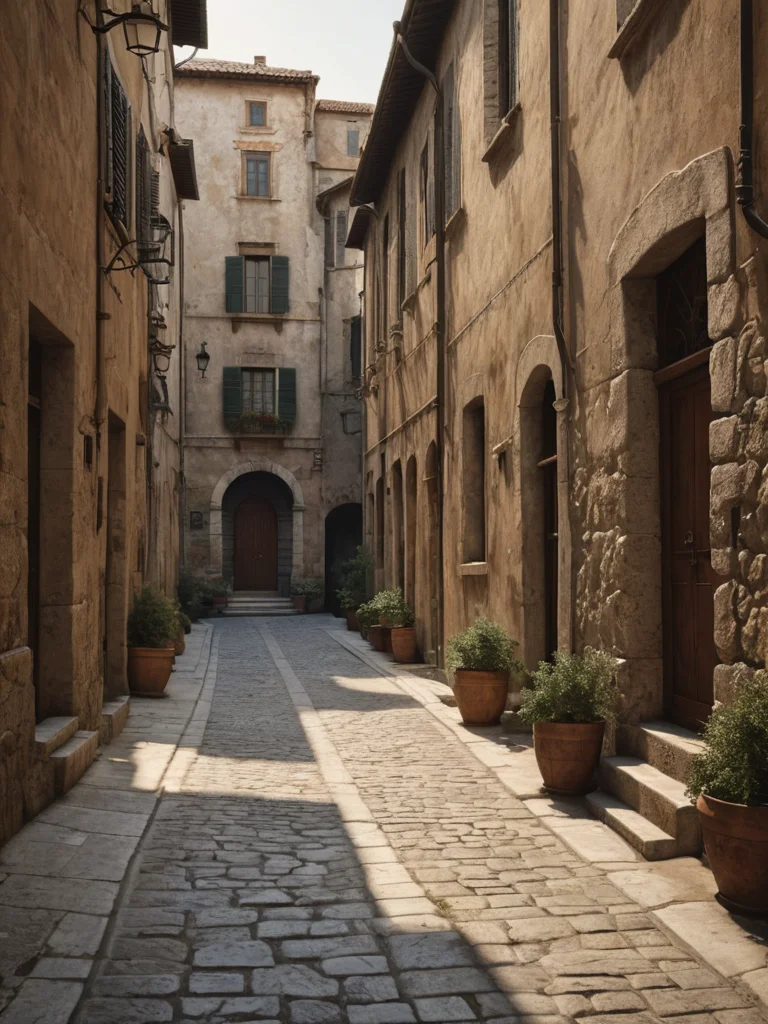
Medieval Europe, an era of knights and cathedrals, was also a time of deep religious convictions and, unfortunately, often cruel social restrictions. In the center of many European cities of that period, there were special quarters where Jewish communities lived – ghettos. For many contemporaries, this word is associated exclusively with the tragedies of the 20th century, but its history goes much deeper, into the world of the Middle Ages and early modern times. Historians urge us to look at the ghetto not just as a prison, but as a complex, forced world, with its own rules, internal order, and, surprisingly, a rich cultural life that paradoxically flourished in conditions of isolation.
Medieval Heresies: How People Sought an Alternative to the Official Church
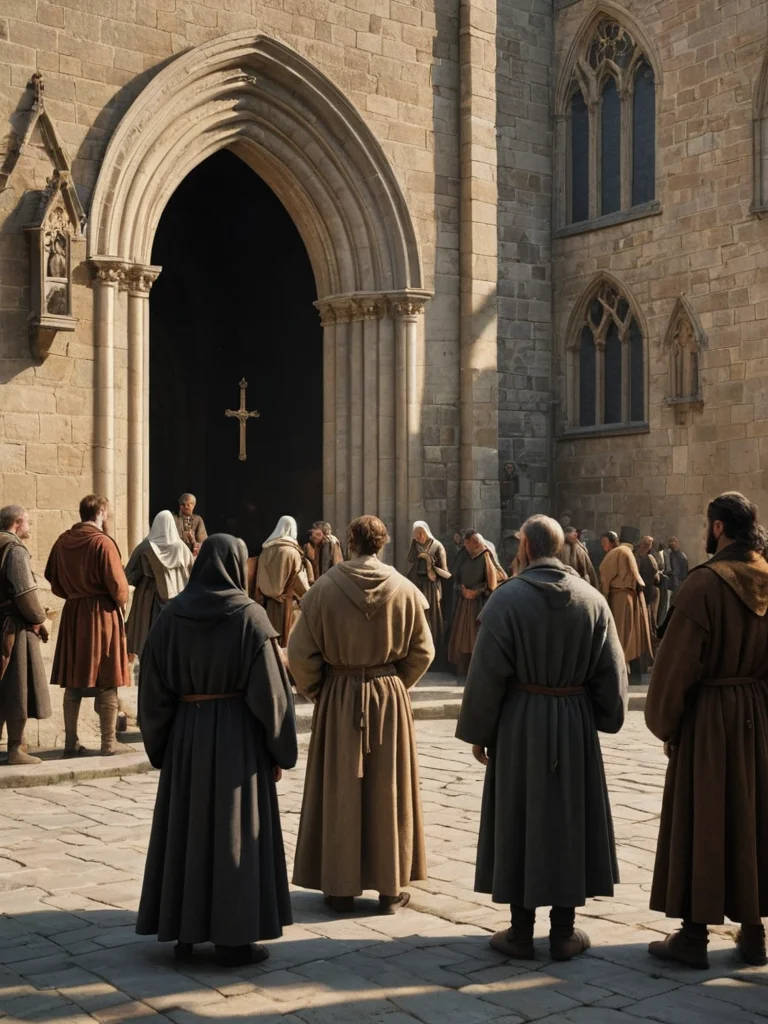
Medieval Europe, as historians know, was a world deeply permeated by religious beliefs. The Catholic Church was not just an institution, but the foundation of social life, a powerful force that shaped the worldview, culture, politics, and even the daily lives of every person. From the baptism of an infant to the burial of an elder, from the royal court to the peasant hut – its influence was all-encompassing. The Church possessed not only spiritual authority but also vast landholdings, influence over education, jurisdiction over souls, and, at times, even over bodies. It was the Church that determined what was truth and what was error, what was permissible and what was sin. Any deviation from its doctrines was perceived not merely as a mistake, but as a mortal danger to the soul, a threat to public order, and the divinely ordained structure of the world.
The Right of the First Night: A Shocking Historical Mystery or a Fabrication?

Surely, each of you has heard at least once about the so-called “right of the first night” – a mysterious and shocking tradition that, according to common perceptions, existed in the Middle Ages. The image of an all-powerful feudal lord exercising the right to spend the first wedding night with the bride of his serf has become deeply ingrained in the collective consciousness. It has become a symbol of absolute power, oppression, and disenfranchisement. This plot has been played out many times in cinema, literature, and even folk tales, giving rise to dark associations with dark times. But what if this picture, so vivid and dramatic, turned out to be just an artful fabrication born of later eras?
The World Before Gutenberg: What Medieval Books Were Like Before the Printing Era
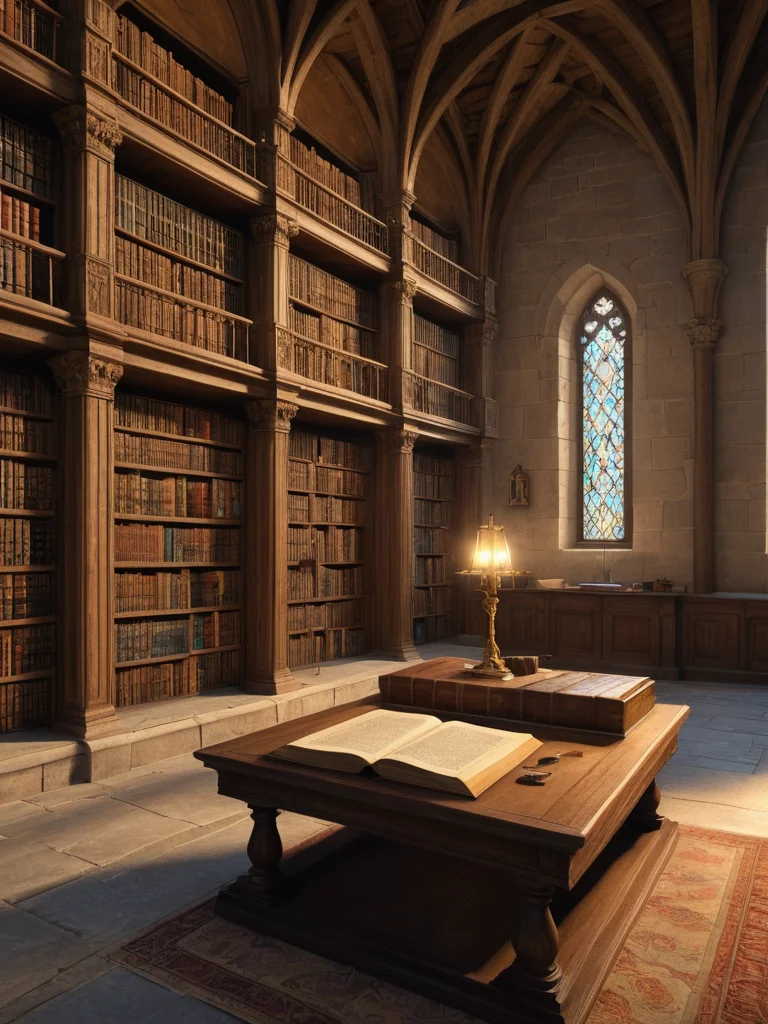
In today’s world, where books are available in every home, on every shelf, and even in digital form at our fingertips, it’s hard for us to imagine an era when a single book was a treasure accessible only to the select few. Before Johannes Gutenberg’s invention of printing in the mid-15th century, the creation of each volume was a feat of patience, craftsmanship, and significant expense. It was a world where a book was not just a container of information; it was a work of art, a relic, and a symbol of knowledge, power, and even divine presence.
Tools and Technologies of Medieval Craftsmen
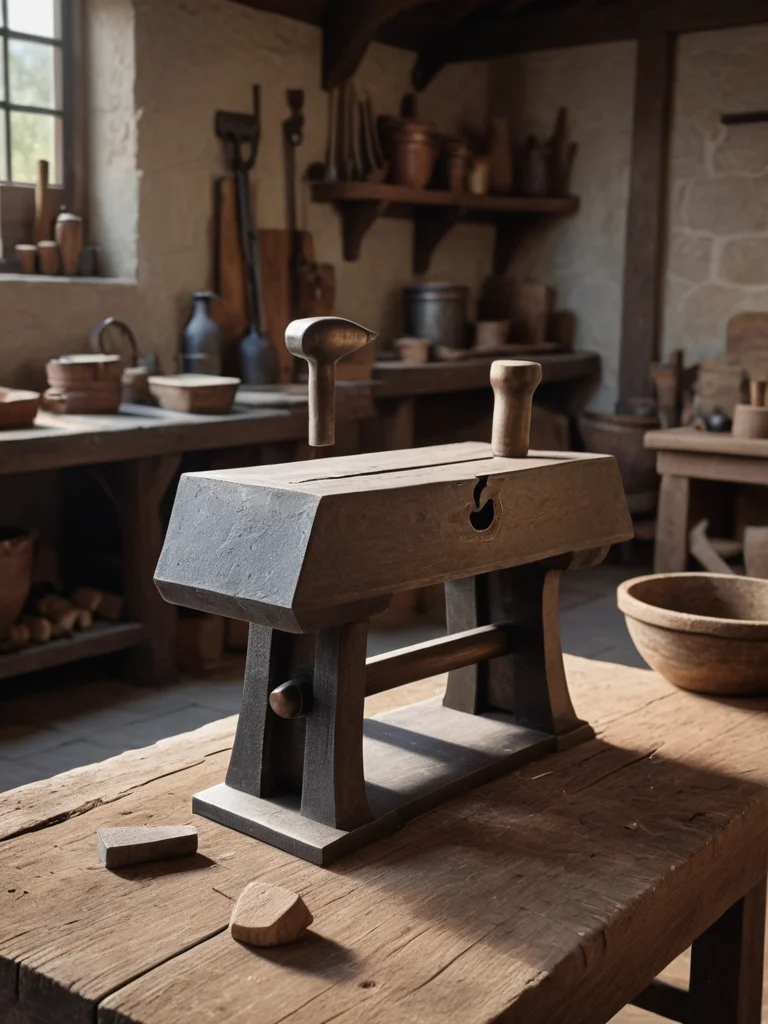
The Middle Ages, a period often associated in the popular imagination with knights in shining armor and majestic castles, was also an era of incredible flourishing of crafts and technological progress. It was then, thanks to the ingenuity and diligence of the masters, that the foundations of many technologies were formed, which became the bedrock of modern civilization. From simple hand tools forged in fiery furnaces to complex mechanisms powered by the forces of nature, every element of medieval craftsmanship was part of a grand story of creation and innovation that transformed people’s daily lives and the face of the entire continent.