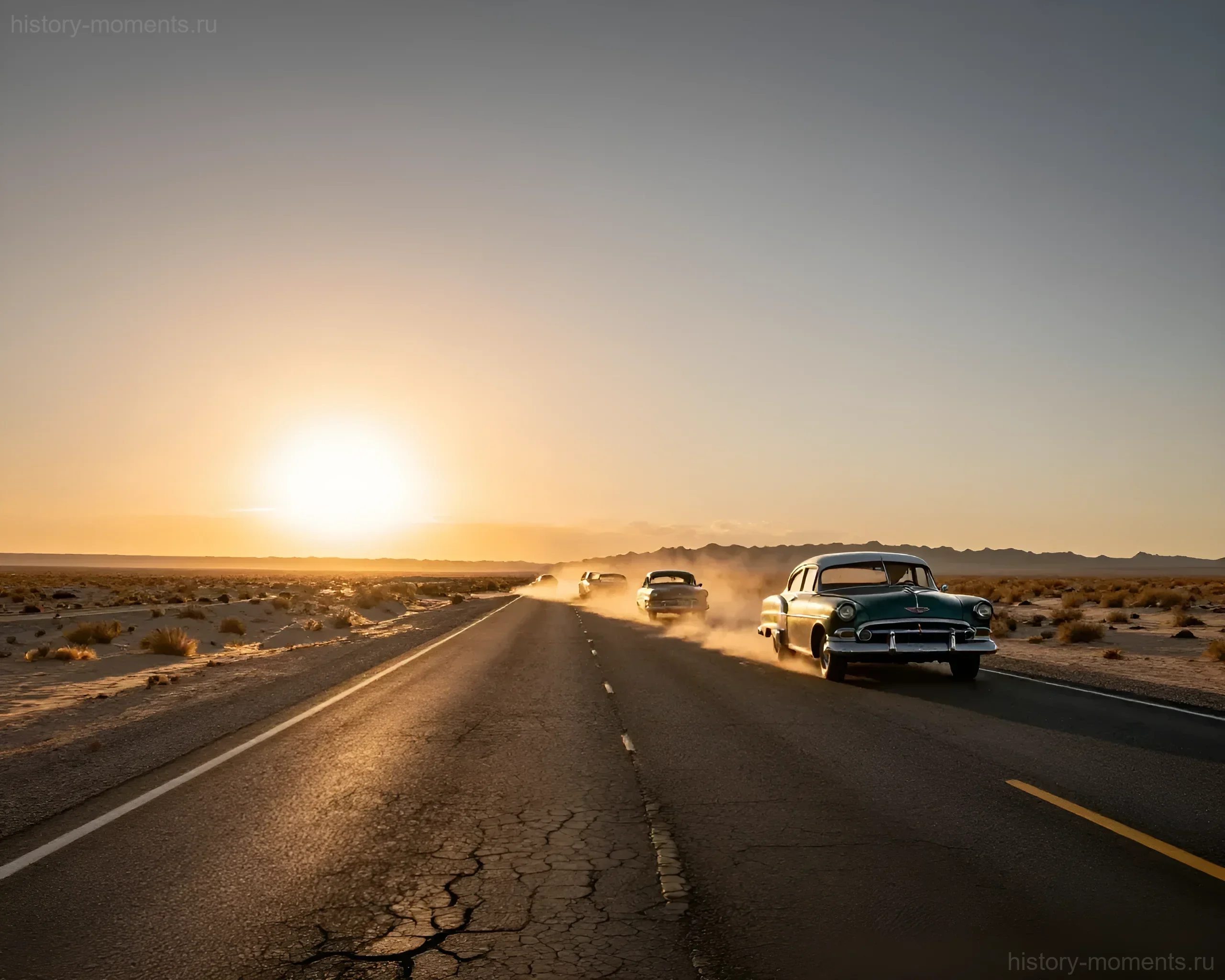
Imagine an endless road stretching into the distance, where every turn reveals a new story, and every stone on the roadside holds the memory of those who passed before you. This is not just a road – it is an artery of civilization, a symbol of freedom, and the embodiment of human courage. Today, we talk about Route 66 – the “Mother of All Roads,” which will celebrate its centenary in 2026. But to understand its significance, we must look deeper – into the history when humanity first decided to overcome the void, paving a path through the unknown.
Mysteries
The Rehearsal of 1776: What Happened Behind the Scenes in June 1776
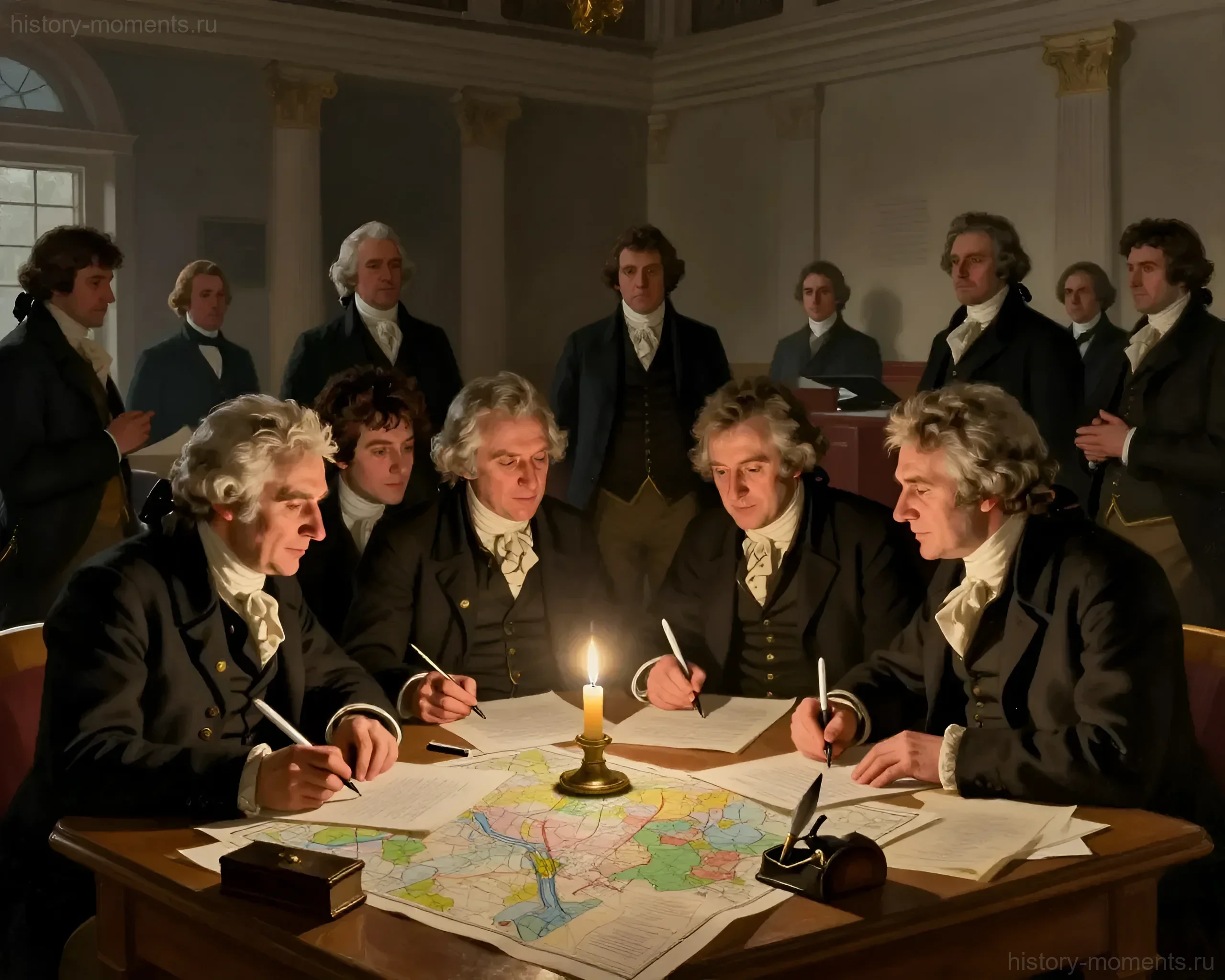
Imagine Philadelphia in June 1776. A city that just yesterday was merely a major port of the British Empire, today transformed into the epicenter of a geopolitical earthquake. A strange, almost electric silence reigns in the streets. People whisper, looking into each other’s eyes, trying to guess what the Founding Fathers will decide in Independence Hall. The air is thick with heat and even thicker with tension. It was in this month, a few weeks before the famous July 4th, that what historians call the “rehearsal” for the great revolution was taking place behind the scenes of Congress.
Why June specifically? Because by this point, the war was already underway. The Battle of Lexington and Concord had occurred back in April 1775, and Boston was under siege. But formally, the colonies were still part of the British Empire. King George III was furious, but his anger had not yet been definitively formalized into a legal break. June 1776 became the moment of truth, when words turned into action. The delegates of Congress understood: if they didn’t declare independence now, they might miss the moment when British troops would deliver a decisive blow. This was not just a political step; it was an act of desperation and courage simultaneously.
Tools and Technologies of Medieval Craftsmen
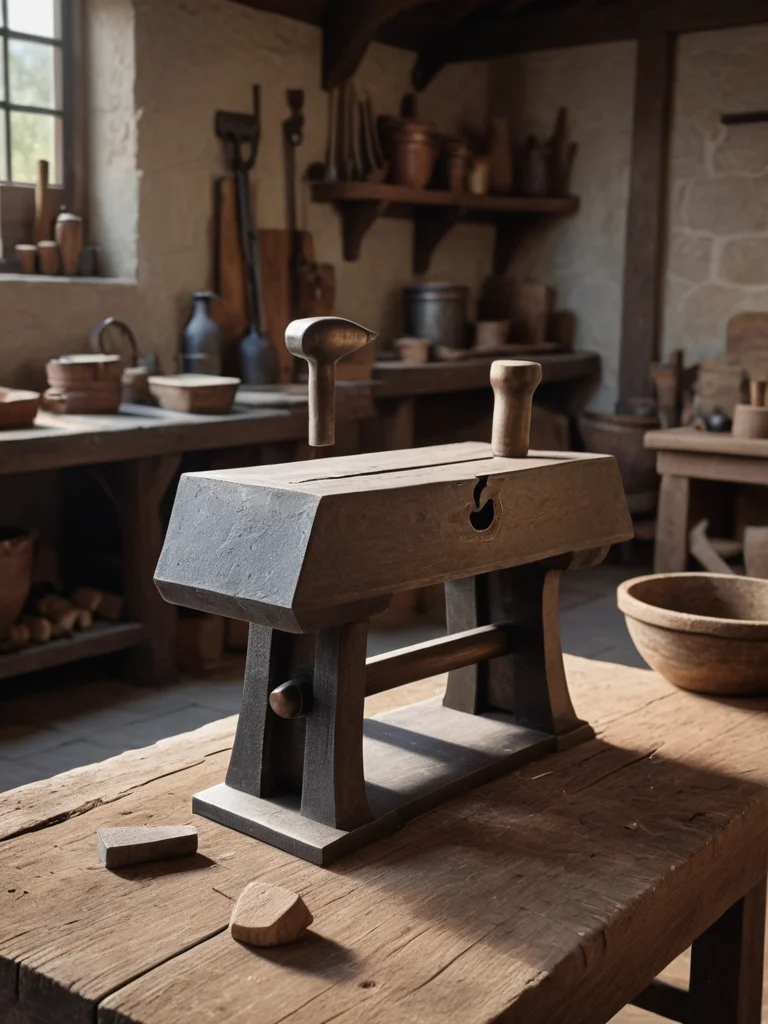
The Middle Ages, a period often associated in the popular imagination with knights in shining armor and majestic castles, was also an era of incredible flourishing of crafts and technological progress. It was then, thanks to the ingenuity and diligence of the masters, that the foundations of many technologies were formed, which became the bedrock of modern civilization. From simple hand tools forged in fiery furnaces to complex mechanisms powered by the forces of nature, every element of medieval craftsmanship was part of a grand story of creation and innovation that transformed people’s daily lives and the face of the entire continent.
The Kensington Runestone: A Mystery That Could Rewrite US History
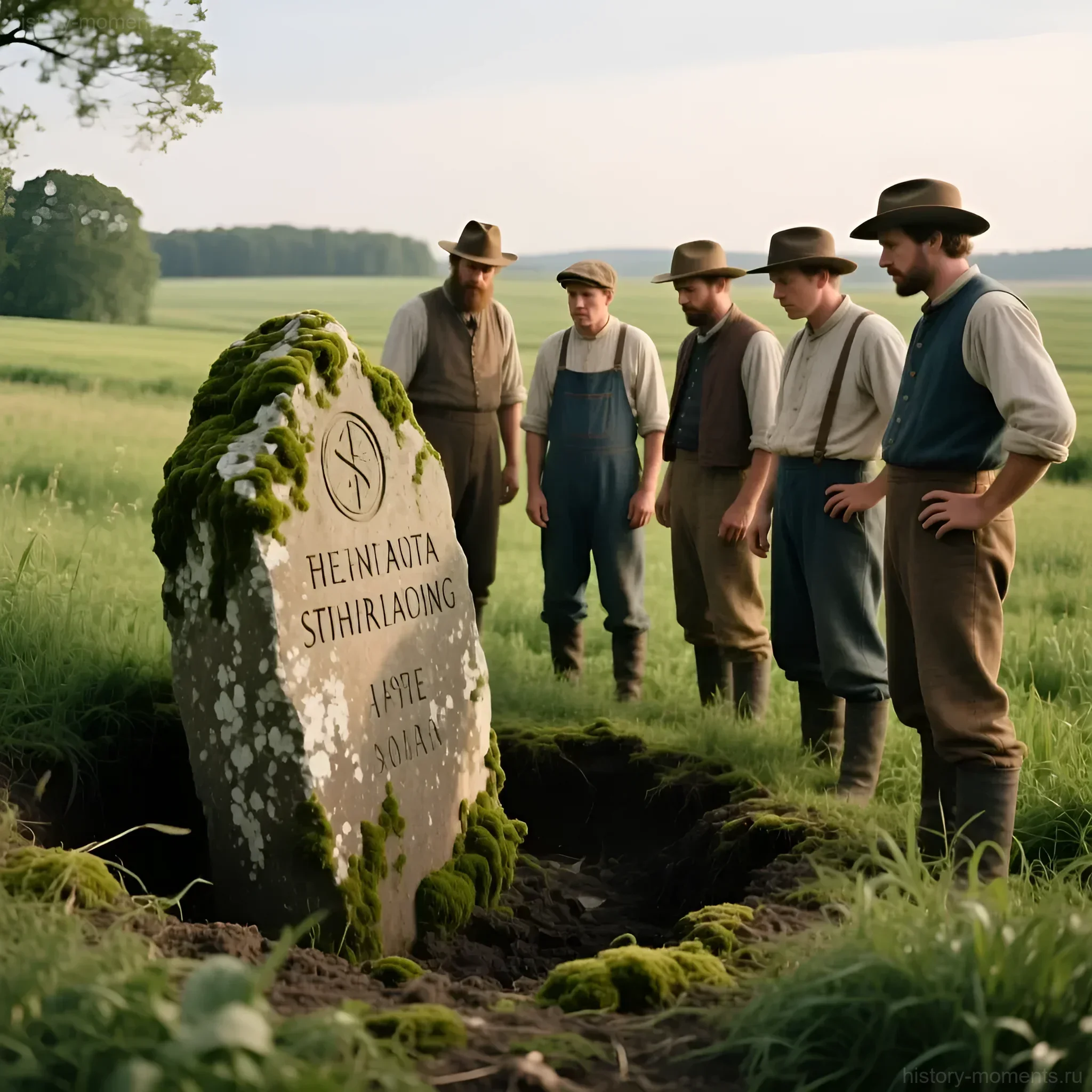
Imagine this: you’re digging in the soil on a farm deep in North America, thousands of miles from the ocean, and you find something that instantly challenges everything you thought you knew about the history of the New World. It’s not just an artifact; it’s a message carved in stone nearly seven centuries ago, claiming that Europeans reached modern-day Minnesota 130 years before Christopher Columbus was even born. This is the story of the Kensington Runestone – one of the most fascinating and controversial mysteries in American archaeology.
Did Hitler Flee to Argentina: Theories, Evidence, and Historical Investigation
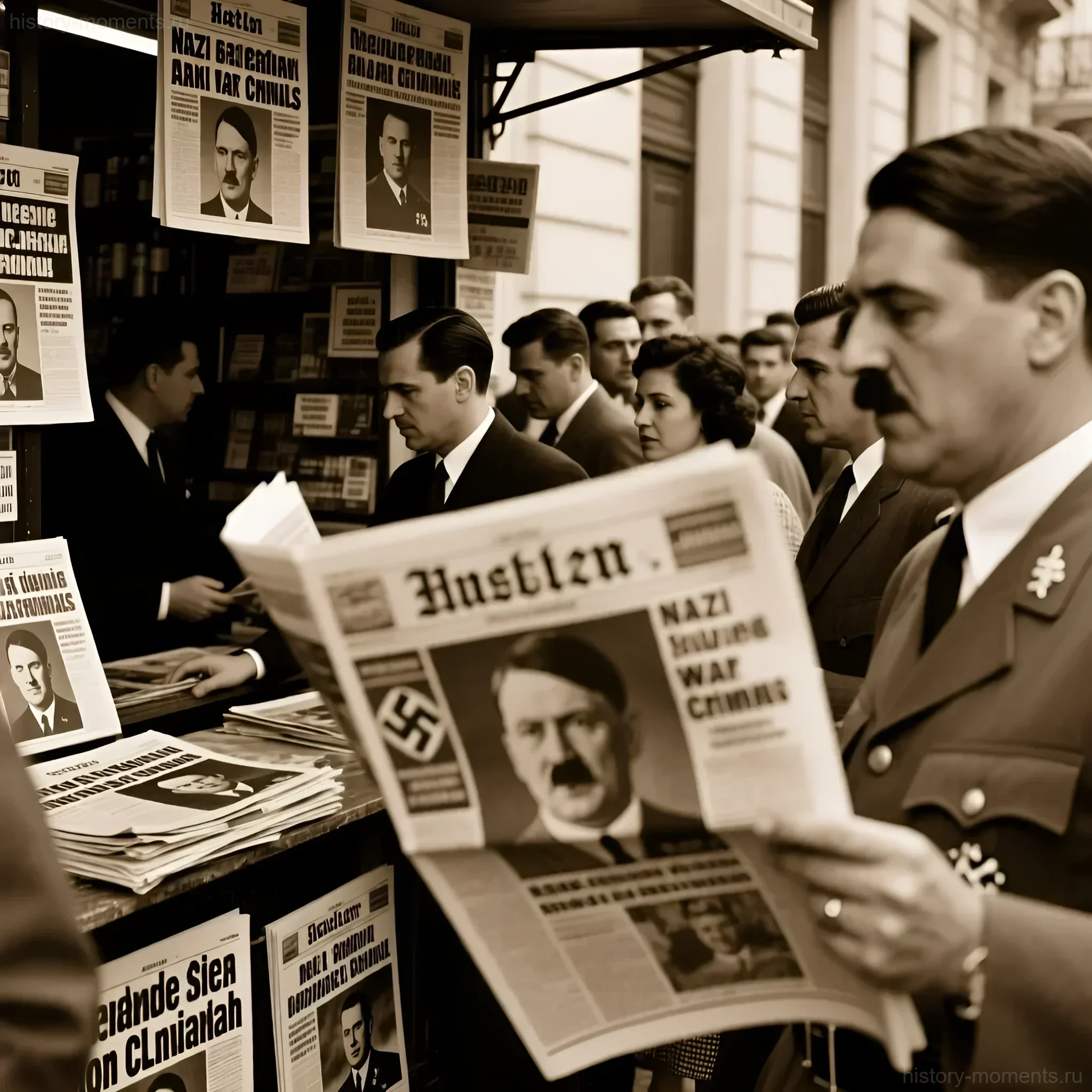
The mystery of Adolf Hitler’s final days is not just a historical episode; it’s one of the most enduring and grim legends of the 20th century. On April 30, 1945, as Berlin was engulfed in flames and Soviet troops were mere hundreds of meters from the Reich Chancellery, the Führer, according to the official version, committed suicide in his bunker. However, from the very day the world learned of his death, this version has been met with profound disbelief, giving rise to a theory that lives on and thrives to this day: Hitler did not die; he escaped. And his refuge became the distant and friendly Argentina.
The Ten Plagues of Egypt: A Scientific Explanation of a Biblical Miracle
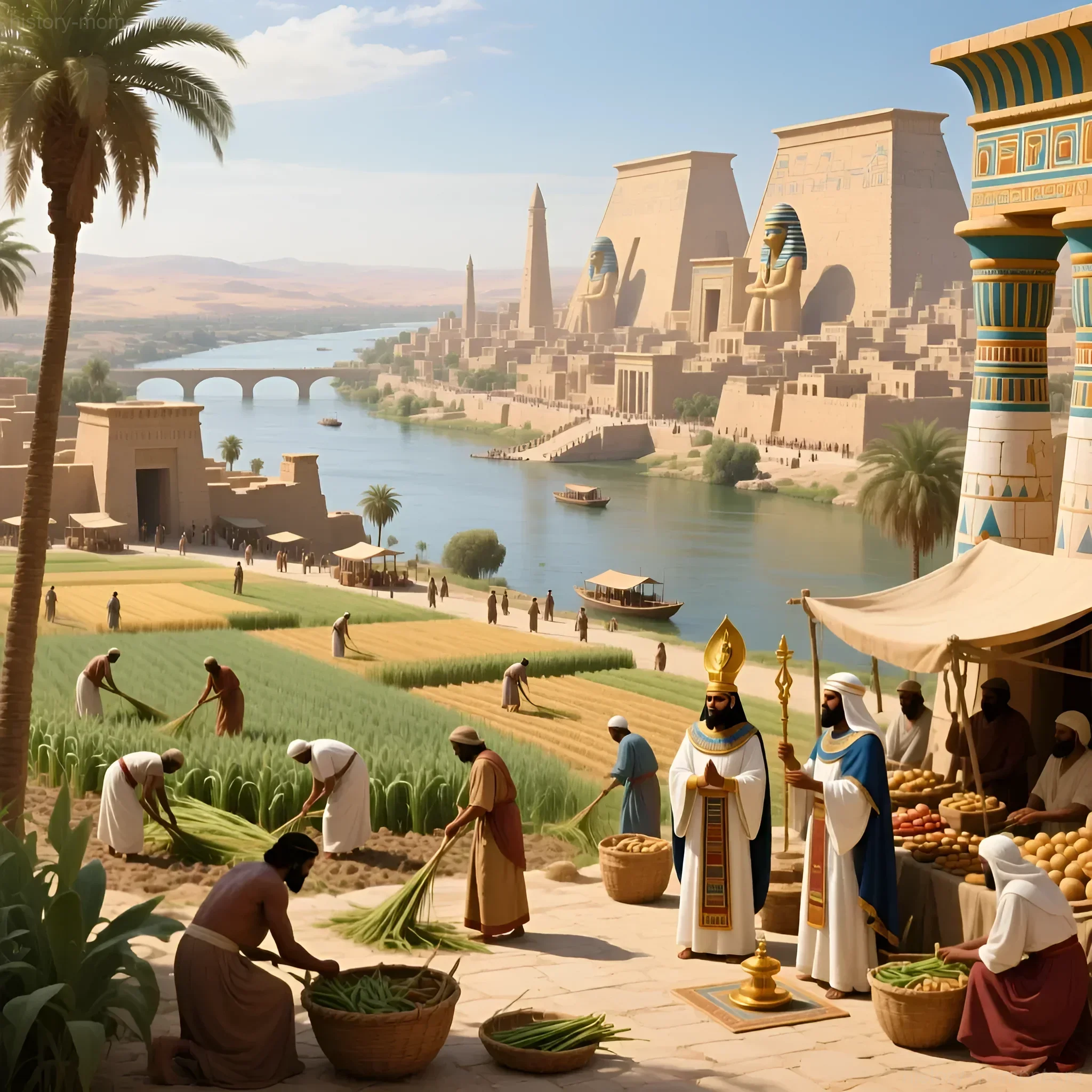
History knows many events that balance on the edge of myth, faith, and reality. Among them, undoubtedly, one of the most dramatic and discussed is the Ten Plagues of Egypt. This Old Testament narrative, described in the Book of Exodus, has served for centuries as a cornerstone of religious tradition, demonstrating the omnipotence of divine will while simultaneously reflecting the beginning of the Jewish people’s journey to freedom. But what if, behind these terrifying events that befell Ancient Egypt, lies not only a miracle but also a perfectly explainable, albeit incredibly destructive, chain of natural disasters?
The History of Alchemy: The Search for the Philosopher’s Stone and the Elixir of Immortality

Alchemy. The mere mention of this word conjures images of dark, soot-stained laboratories where mysterious substances bubble in flasks, and scientists, obsessed with humanity’s two greatest dreams—transmuting base metal into pure gold and achieving eternal life—bend over crucibles. It was not merely early chemistry; it was a philosophy, a mysticism, and an art that dominated the intellectual life of both East and West for millennia. Are you ready to embark on a journey through the history of this “royal” science?
The Black Death: How the Plague Changed Daily Life in Medieval Europe
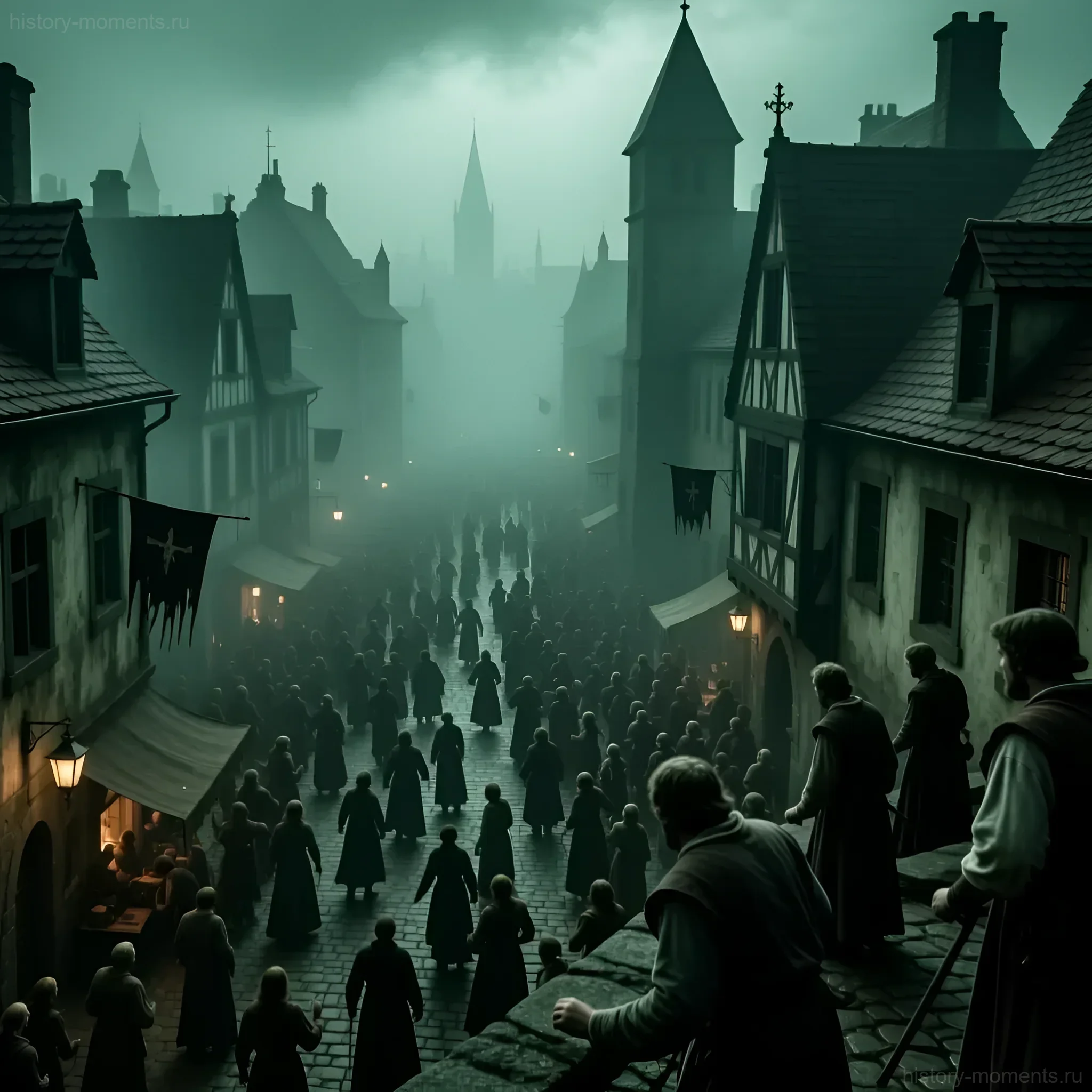
The plague epidemic, known as the “Black Death,” which swept through Europe in the mid-14th century, is one of the most tragic and simultaneously most transformative events in human history. It was not just a health crisis; it was a catastrophe that radically reshaped the landscape of social, economic, and cultural relations. Analysts and historians agree: the “Black Death” not only wiped out a significant portion of the population but also laid the foundation for the transition from rigid medieval feudalism to the Renaissance and early capitalism. Understanding these changes is critically important for assessing modern society and its resilience to global challenges.