
Imagine a world where reaching the age of 50 was a feat. A world where every gray hair was not a sign of wear and tear, but living proof of incredible luck, strength, and, most importantly, accumulated knowledge. This was the Ancient World. The attitude towards old age in those distant eras was paradoxical: it could be the crown of wisdom, a source of absolute power and unquestionable respect, but at the same time, a heavy burden, evoking fear and even rejection. We invite you on a deep historical journey to understand how the greatest civilizations of the past resolved this eternal dilemma: is old age a gift or a curse?
Old age in the Ancient World: between wisdom and oblivion – an introduction to the era

When we talk about the Ancient World, we often imagine great warriors, pyramid builders, and philosophers. But what did old age look like in this world? It was a rare and therefore valuable resource. Life expectancy was extremely low, mainly due to high infant mortality, wars, famine, and the absence of antibiotics. Those who survived childhood illnesses, youthful impetuosity, and the dangers of middle age were considered chosen by the gods.
In an era that knew no written textbooks or the internet, the human brain was the main repository of information. Elderly people were living libraries, carriers of traditions, rituals, legal precedents, and practical skills—from agriculture to warfare. This is where the cult of respect, found in almost all early cultures, originated.
However, this idealized picture is incomplete. In conditions of scarce resources and constant struggle for survival, a person who could no longer work became an economic burden. It was this tension—between the ideal of wisdom and the reality of burden—that defined the social status of the elderly in the Ancient World.
Background: Demographics and the Life Cycle in Ancient Civilizations
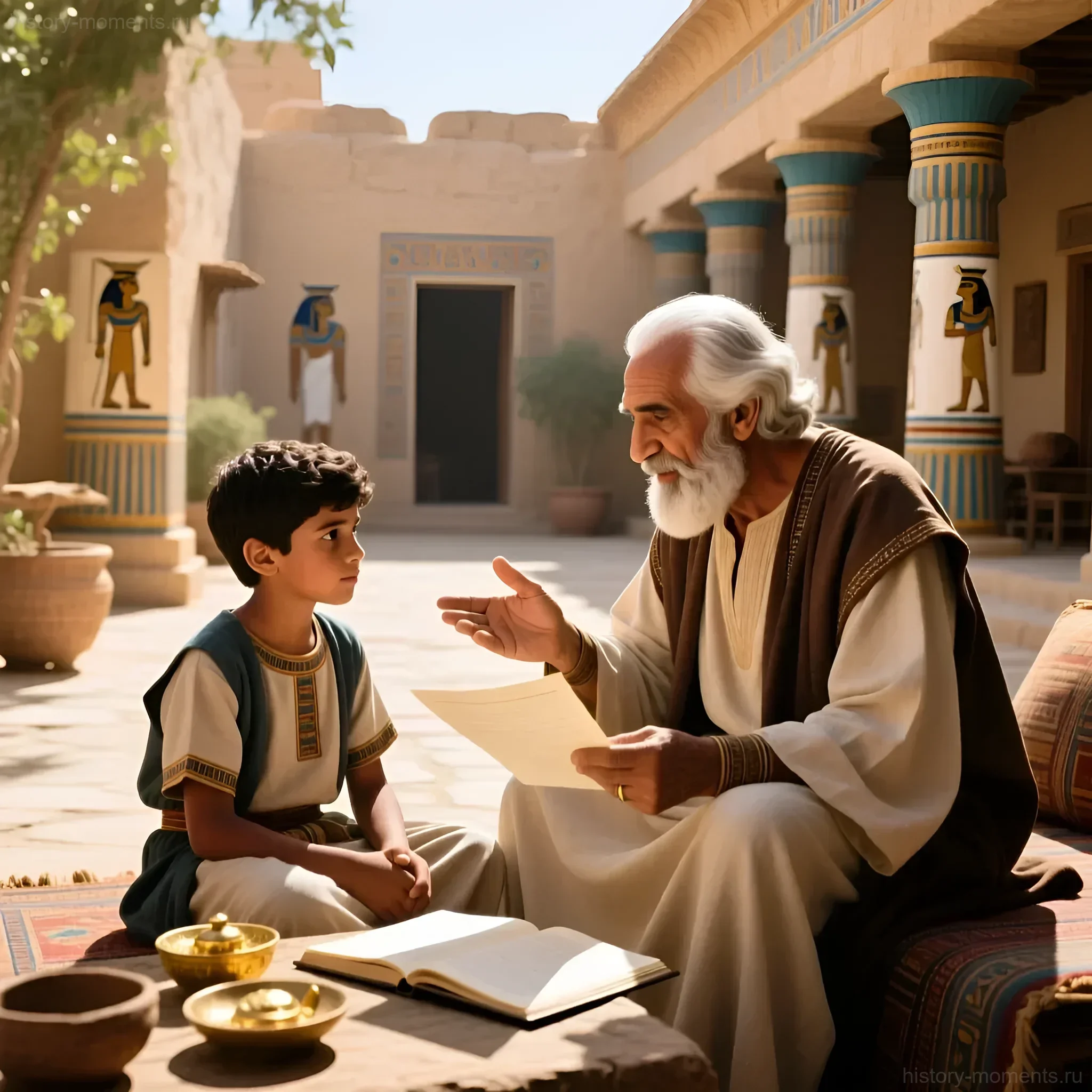
To understand what it meant to be old in the Ancient World, we must look at the dry figures. In the Neolithic era, the average life expectancy rarely exceeded 30 years. Even during the peak of the Roman Empire, thanks to relative stability and developed sanitation, this figure barely reached 35–40 years.
So, what was considered old age then?
- Age 40–50: In most societies, this was already an age when a person began to be considered old. Physical wear and tear from hard labor, numerous childbirths (for women), and constant injuries led to rapid aging of the body.
- Age 60+: Deep old age. Reaching this age was an exceptional event. It is believed that in Ancient Rome, only about 3–5% of the population lived to be 60.
It was the rarity of this phenomenon that gave the status of an elderly person a special sacredness. Survivors proved their exceptionality. They were necessary for the transmission of a complex cultural code that could not be fully written down. This was social capital that neither gold nor an army could replace.
Respect for Elders in Mesopotamia and Egypt: Fathers’ Counsel and the Role of Priests
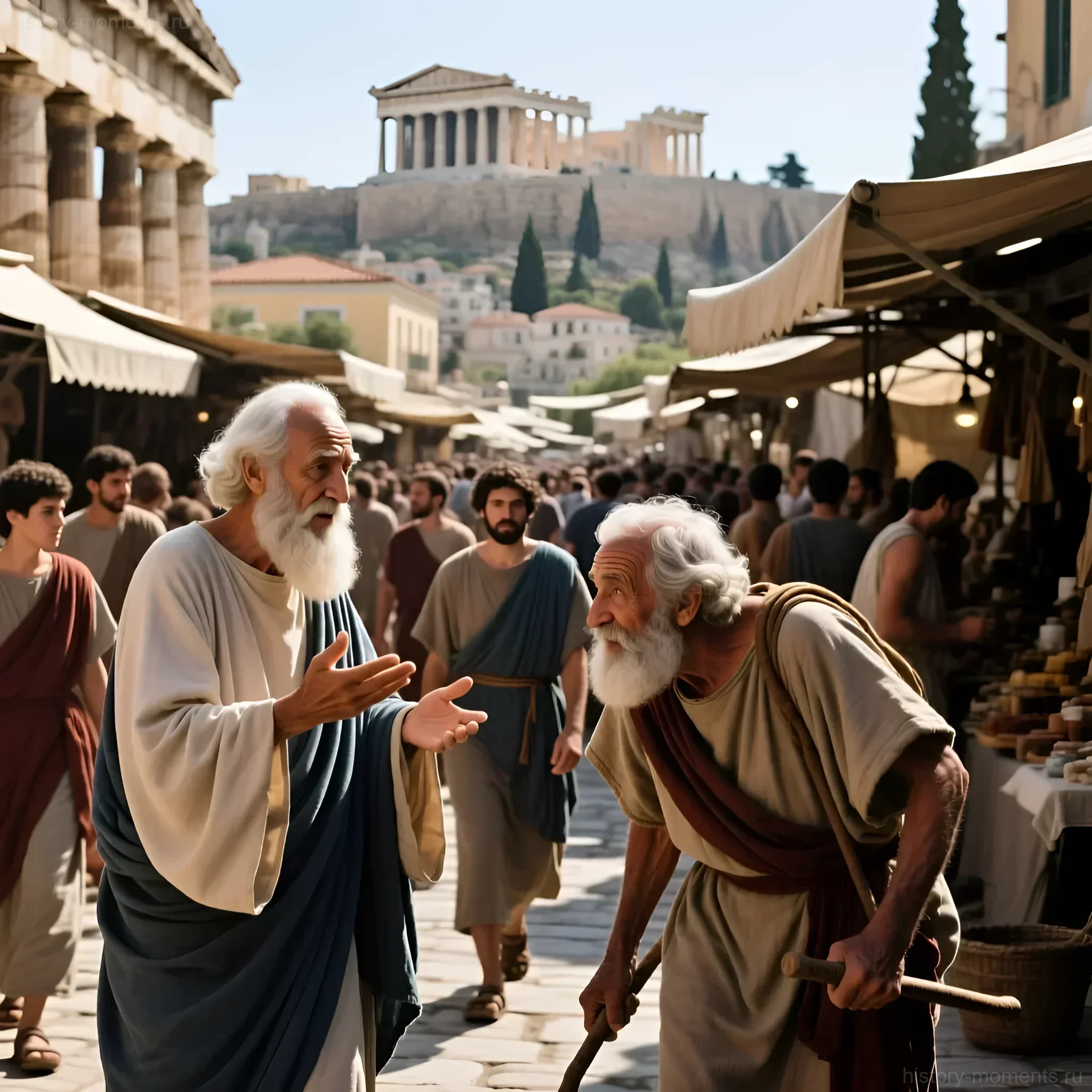
The civilizations of the Fertile Crescent, where writing and the first laws originated, laid the foundations for a respectful attitude towards old age that lasted for millennia.
Mesopotamia: Law and Counsel
In Sumer, Akkad, and Babylon, elderly people often formed the core of community councils. Their experience was invaluable in water distribution, resolving land disputes, and interpreting customs. The role of the elder (or “father of the city”) was closely linked to justice.
The Code of Hammurabi (circa 1754 BCE): While there was no direct law obligating respect for the elderly, the code protected their property and inheritance rights. Moreover, in the judicial system, elders often acted as witnesses whose testimony carried more weight than that of the young, as it was assumed that an elder was less prone to lying and more committed to justice.
Ancient Egypt: Wisdom as a Path to Immortality
In Egypt, respect for elders was not just a social norm but part of the religious order—Ma’at (cosmic justice and truth). Old age was seen as a natural and desirable stage that brought a person closer to the gods.
The most striking evidence of this attitude is the so-called “Teachings” or “Instructions.” One of the most famous texts is “The Maxims of Ptahhotep” (5th Dynasty, c. 2400 BCE). Ptahhotep, vizier to the pharaoh, addresses his son, emphasizing that old age is not weakness but a source of wisdom:
- “Do not transgress boundaries, lest you incur the wrath of an old man, for he is wise and knows what is right. Listen to him who is older than you, for there is no foolishness in old age.”
- Old age in Egypt granted access to the highest priestly positions and the status of a “scribe of wisdom.” It was elderly priests and officials who managed temples and state affairs, as their life path was considered proof of their piety and adherence to Ma’at.
Ancient Greece: The Sage, The Citizen, and The Burden to the Polis – A Dual Attitude
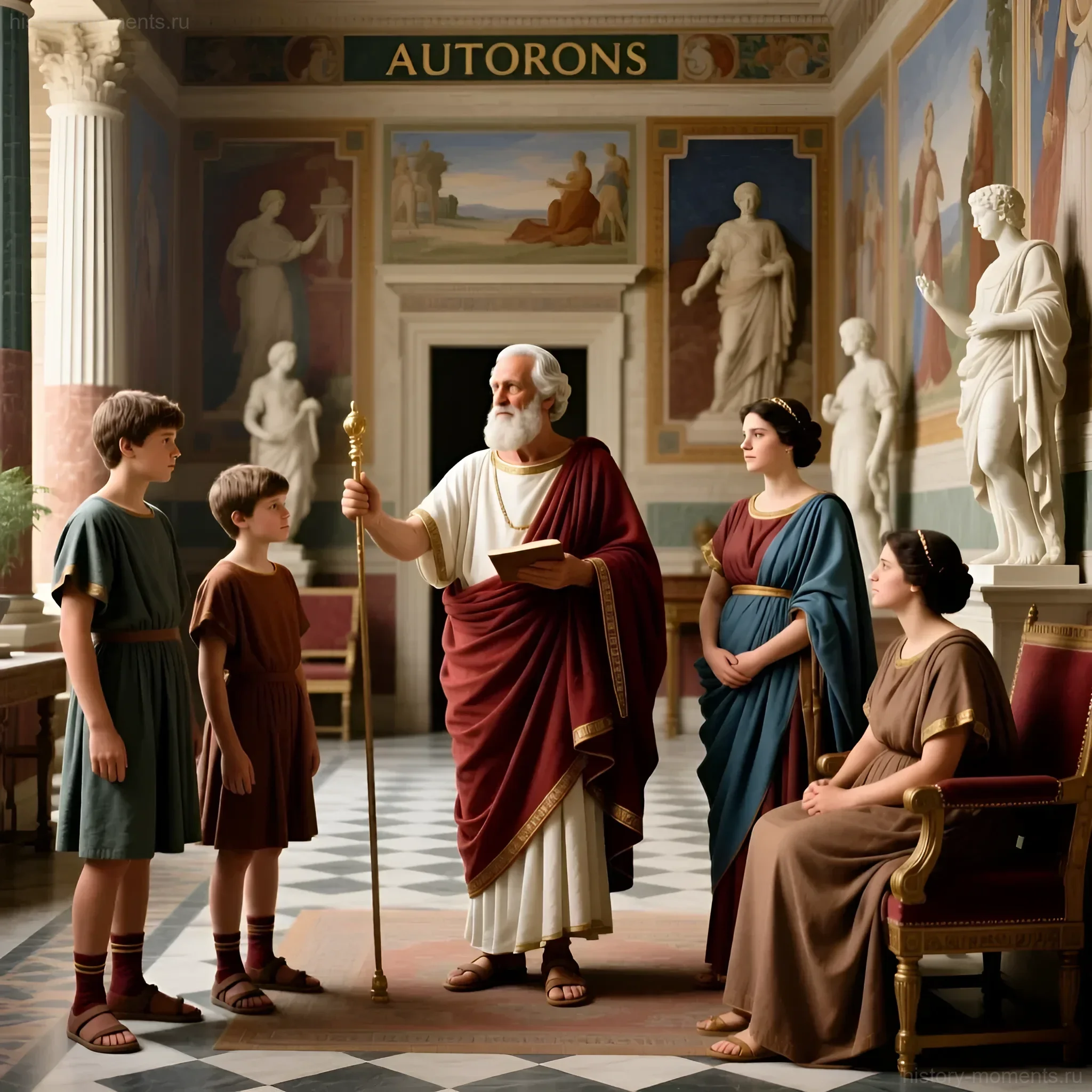
In Greece, the attitude towards old age was perhaps the most contradictory. It depended on the political structure of the polis and its dominant values. In Greece, the status of an old man fluctuated between absolute political authority and the object of satirical jokes.
Sparta: The Cult of Gerontocracy
In Sparta, where military valor was valued above all else, old age was synonymous with supreme power. The main governing body of Sparta—the Gerousia—consisted of 28 gerontes (elders), who had to be at least 60 years old. The gerontes were elected for life and held immense power: they prepared legislative proposals and acted as the supreme court.
In Sparta, respect for elders was enshrined in law. A young Spartan was obliged to stand before an elder, give up his seat, and unquestioningly follow his advice. Old age here was the highest reward for service to the polis.
Athens: The Benefit and Burden of Democracy
In democratic Athens, the situation was more complex. A citizen was valued primarily for his usefulness to the polis: military service, participation in governance, and economic contribution. Elderly men, exempt from military service, could lose some of their influence if they lacked eloquence or wealth.
- Political Role: Elderly citizens continued to participate in the Boule (Council of 500) and the popular assembly (Ecclesia), where their experience was valued. Orators often referred to their age as proof of impartiality and wisdom.
- Philosophical Reflection: Great philosophers extolled old age. Socrates and Plato believed that old age was a time when passions subsided and the soul could finally engage in pure reason. In the dialogue “The Republic,” Plato describes old age as liberation from bodily desires.
- Satire: However, in comedies, for example, by Aristophanes, old men were often depicted as useless, grumbling, or stingy characters who hindered progress. This reflected the growing tension in the polis, where the younger generation, driven by ambition, sometimes saw the elders as a brake.
In Athens, there was a law that obliged children to support their elderly parents. If a son neglected this duty, he could be deprived of his civil rights—this was a powerful legal protection for the elderly who had no means.
Roman Old Age: Dignity, Auctoritas, and the Practice of Paternal Power

In Ancient Rome, the attitude towards old age was the most institutionalized and imbued with the spirit of gravitas (seriousness, dignity). Old age here was not just an age but a political and social category.
The Senate: Council of Elders
The very name of Rome’s highest state body—the Senate (from Latin senex—old man)—speaks volumes. The Senate was the embodiment of collective old age and experience. Reaching senatorial age and status was the ultimate goal of a Roman citizen. Senators were required to possess auctoritas—moral authority based on their life path, achievements, and, of course, age.
Pater Familias: Absolute Power
The institution of Pater Familias (Father of the Family) played a key role in Roman old age. This was the most powerful social protection and the greatest source of power for an elderly man. Unlike in many other cultures, the power of the Pater Familias was absolute (patria potestas) and did not cease with the children’s adulthood. He had legal authority over the life, death, property, and marriages of his descendants, even if his sons were themselves already elderly senators.
This power only ended with the death of the Pater. Thus, old age in Rome guaranteed a man not only respect but also legally enshrined dictatorial power within his household.
Cicero on Old Age
One of the most inspiring texts of antiquity dedicated to this topic is Marcus Tullius Cicero’s essay “On Old Age” (Cato Maior de Senectute), written in 44 BCE. Cicero argued against common complaints about old age, asserting that it does not deprive a person of joy but merely redirects their energy:
- Refutation of Myths: Cicero disputes the four main accusations against old age: it deprives us of active engagement; it weakens the body; it deprives us of sensual pleasures; it is close to death.
- The Value of Reason: He argues that while old age deprives us of physical strength, it enhances reason, judgment, and memory. The main activity of an old person is counsel and governance, not physical labor.
- Wisdom and Experience: “The greatest deeds are not accomplished by strength, speed, or agility of the body, but by counsel, authority, and judgment; in this, old age is not only not weak, but strong.”
Thus, for a Roman aristocrat, old age was not a burden but the apogee of a career and a source of the highest dignity.
Old Age in the East: Confucian Filial Piety and Buddhist Renunciation
While the West balanced between authority and usefulness, the East entrenched respect for elders at the very core of its philosophy and social structure.
China: Xiao (Filial Piety)
In ancient China, especially after the establishment of Confucianism (around the 2nd century BCE), respect for elders became the cornerstone of society. This concept is called Xiao (孝), or filial piety.
Confucius taught that the hierarchy and harmony in the family (and, consequently, in the state) depended on the unquestioning obedience of the younger to the elder. An old person was not just a respected member of the family; they were the center of the family’s universe.
- Children’s Duties: Children were obliged not only to support their parents but also to care for their emotional well-being, ensure their comfortable old age, and even perform complex ancestor veneration rituals after their death.
- Legal Codification: Violation of the principle of Xiao was one of the most serious crimes in imperial China. Any insult or neglect of parents could lead to severe punishment, up to the death penalty.
In China, old age was not just respected—it was sacred. Long life was considered a blessing, and elders who had lived through several generations enjoyed almost mystical reverence.
India: Ashramas and Renunciation
In the ancient Indian tradition (Hinduism), a person’s life was divided into four stages, or Ashramas. Old age here had a clearly defined spiritual purpose.
The last two stages were dedicated to renunciation and preparation for death:
- Vanaprastha (Retreat to the Forest): After a man had fulfilled all his family and social obligations (raised children, secured the household), he could withdraw from worldly life, often with his wife, to dedicate himself to meditation and spiritual practices. This typically occurred around the age of 50–60.
- Sannyasa (Renunciation): At this stage, the elder completely renounced all worldly attachments, becoming a wandering ascetic (sannyasin), fully focused on achieving moksha (liberation).
Thus, Indian society offered the elderly a structured path to shed the burden of worldly cares and allowed them to fully concentrate on their spiritual development, thereby transforming old age from a social burden into a spiritual achievement.
Interesting Facts about Old Age in the Ancient World: Rituals, Beliefs, and Medical Practices

In addition to philosophical and legal norms, there were also everyday practices that demonstrated attitudes towards the elderly.
1. Geronticide: Myth or Reality?
Some sources (especially from Greek and Roman historians) mention practices of “geronticide” (the killing of the elderly). These accounts often concern remote, primitive, or nomadic tribes (e.g., Scythians or Sarmatians), where movement and survival demanded maximum physical activity. Although such practices might have existed in extreme conditions of famine or primitive society, in developed civilizations (Rome, Egypt, China), they were strictly forbidden and considered barbarism. Myths about throwing the elderly from the Tarpeian Rock in Rome belong to deep antiquity and were likely not a real practice.
2. Ancient Gerontology
Ancient physicians actively studied aging. Hippocrates (5th–4th centuries BCE) described old age as a period when the body’s “natural heat” and moisture recede, leaving a person dry and cold. The Roman physician Galen (2nd century CE) developed this theory, proposing diets and regimens aimed at “preserving heat” and slowing down aging.
Practical advice from ancient physicians for longevity:
- Moderate diet (avoiding fatty and heavy foods).
- Regular but light physical exercises (walks, games).
- Maintaining emotional calm (Cicero’s advice).
- Warm baths and a mild climate.
3. Privileges and Symbols
In Rome and Greece, elderly people often enjoyed special privileges:
- Theater Seats: In Athens and Rome, the best seats in the theater and at public assemblies were reserved for the elderly.
- Exemption from Taxes/Service: In Rome, men over 60 were exempt from military service and certain public duties.
- Symbols: In Rome, gray hair, a beard, and a slow, confident gait were symbols of gravitas and auctoritas.
Historical Significance: Lessons from the Ancients for Modern Society and a Look into the Future
Studying the attitude towards old age in the Ancient World reveals not just a collection of historical facts but an eternal model of social interaction. Ancient civilizations, despite their demographic specifics, managed to create mechanisms that allowed the integration of the few but invaluable elders into the structure of power and knowledge.
The Paradox of Antiquity and Modernity
In the Ancient World, old age was a rare resource, and respect for it was functional: it ensured the transmission of knowledge and stability. Today, with life expectancy in developed countries exceeding 80 years, old age is no longer a rarity. Yet, we often find that despite longevity, elderly people feel less needed than the Pater Familias or the Spartan Geront.
Practical Lessons We Can Learn:
1. The Value of Experience (Roman Auctoritas): We must relearn to value accumulated life experience not only as a personal achievement but as a societal resource. Retirement age should not mean isolation but a transition to the role of a mentor, consultant, or member of an “elder council” in the professional sphere.
2. Institutional Protection (Athenian Law): Legal and social protection for the elderly must be absolute, as it was in Athens, where the failure of filial duty led to the loss of civil rights.
3. Spiritual Purpose (Indian Sannyasa): Old age should be perceived as a time when a person can finally dedicate themselves to spheres that were inaccessible during their active working life—education, creativity, spiritual seeking, not just leisure.
The Ancient World has left us a clear message: a society that neglects the wisdom of its elders loses its historical memory and stability. Respect for old age is an investment not in the past, but in the future, as each of us, if lucky, will one day don the mantle of a Geront or Pater Familias.
We thank you for embarking on this journey through the centuries with history-moments.ru. We hope that the lessons of the ancients will inspire you to a deeper understanding of the value of every year lived.