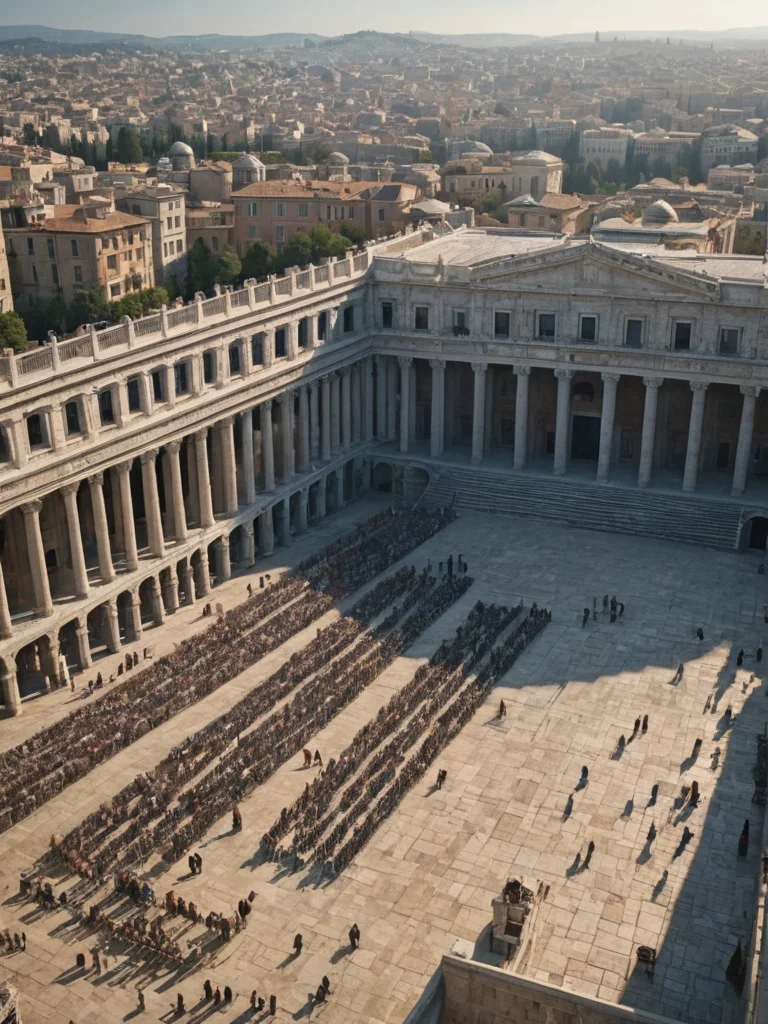
History preserves many places that were not just buildings, but true symbols of eras, stages on which great dramas of the human spirit unfolded. Such a place was the Hippodrome of Constantinople – a colossal structure located in the very heart of the Byzantine Empire. You can imagine it as the largest stadium of its time, but this would only be the tip of the iceberg of its true significance. The Hippodrome was not just an arena for sporting competitions; it was the pulsating center of the social, political, and even religious life of the great capital, a point where representatives of all strata of society, from the emperor to the simple craftsman, gathered to watch, participate, and, at times, make history.
History of daily life
How Medieval Courts Worked: From “Trial by Ordeal” to Interrogations
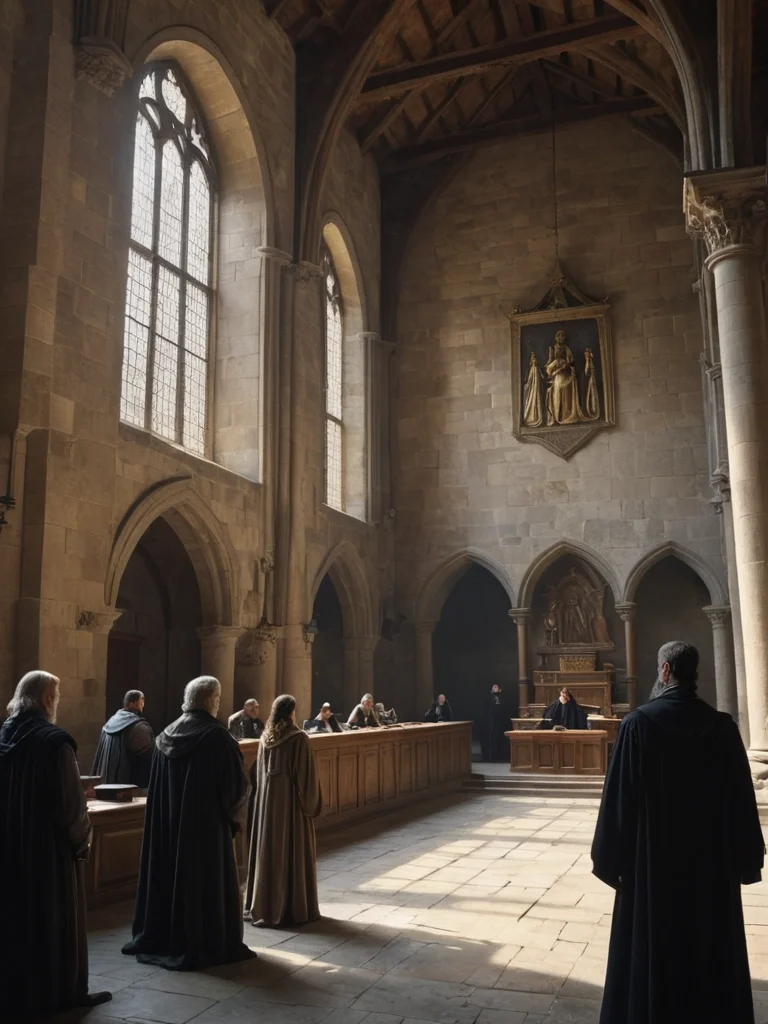
Imagine a world where justice was not dispensed in stuffy courtrooms with juries and lawyers, but under the open sky, where God himself could be the judge, and the proof of innocence was a red-hot poker. Welcome to the medieval justice system – a world simultaneously primitive and deeply symbolic, cruel and paradoxically rational for its time. For a modern person, many aspects of medieval courts may seem wild and unfair. However, if we look deeper, we see not just a chaotic system, but a complex mechanism that attempted to establish order in a society based on faith, tradition, and very limited scientific knowledge.
Life in the Jewish Ghetto of a Medieval City
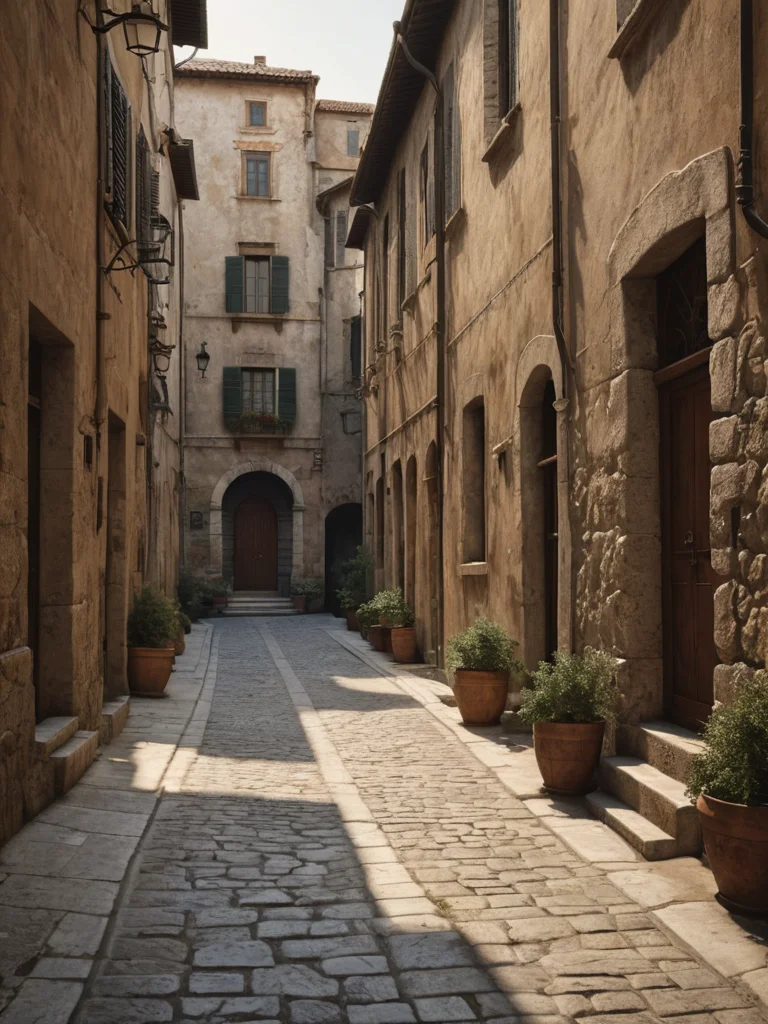
Medieval Europe, an era of knights and cathedrals, was also a time of deep religious convictions and, unfortunately, often cruel social restrictions. In the center of many European cities of that period, there were special quarters where Jewish communities lived – ghettos. For many contemporaries, this word is associated exclusively with the tragedies of the 20th century, but its history goes much deeper, into the world of the Middle Ages and early modern times. Historians urge us to look at the ghetto not just as a prison, but as a complex, forced world, with its own rules, internal order, and, surprisingly, a rich cultural life that paradoxically flourished in conditions of isolation.
Medieval Heresies: How People Sought an Alternative to the Official Church
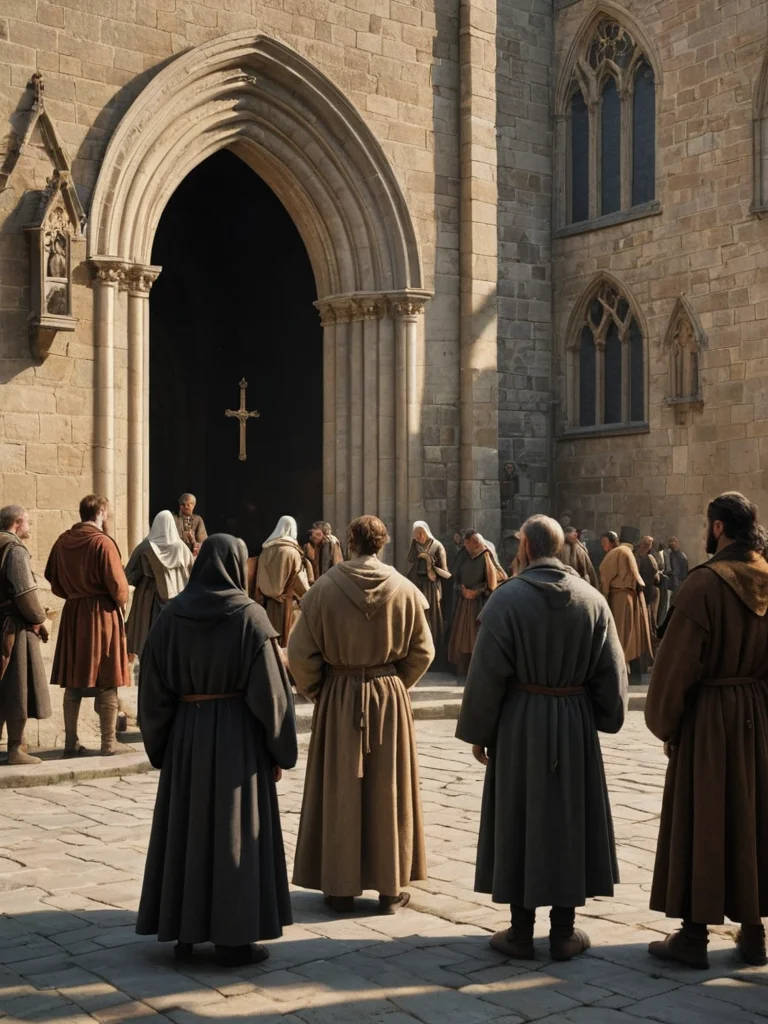
Medieval Europe, as historians know, was a world deeply permeated by religious beliefs. The Catholic Church was not just an institution, but the foundation of social life, a powerful force that shaped the worldview, culture, politics, and even the daily lives of every person. From the baptism of an infant to the burial of an elder, from the royal court to the peasant hut – its influence was all-encompassing. The Church possessed not only spiritual authority but also vast landholdings, influence over education, jurisdiction over souls, and, at times, even over bodies. It was the Church that determined what was truth and what was error, what was permissible and what was sin. Any deviation from its doctrines was perceived not merely as a mistake, but as a mortal danger to the soul, a threat to public order, and the divinely ordained structure of the world.
The Right of the First Night: A Shocking Historical Mystery or a Fabrication?

Surely, each of you has heard at least once about the so-called “right of the first night” – a mysterious and shocking tradition that, according to common perceptions, existed in the Middle Ages. The image of an all-powerful feudal lord exercising the right to spend the first wedding night with the bride of his serf has become deeply ingrained in the collective consciousness. It has become a symbol of absolute power, oppression, and disenfranchisement. This plot has been played out many times in cinema, literature, and even folk tales, giving rise to dark associations with dark times. But what if this picture, so vivid and dramatic, turned out to be just an artful fabrication born of later eras?
The World Before Gutenberg: What Medieval Books Were Like Before the Printing Era
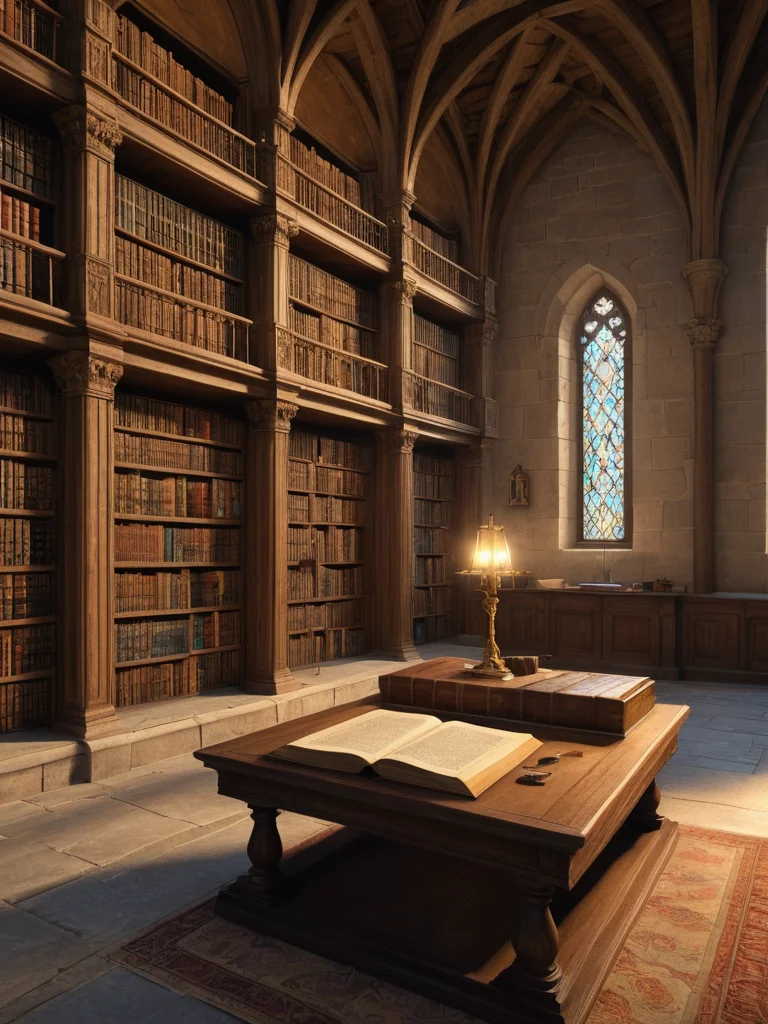
In today’s world, where books are available in every home, on every shelf, and even in digital form at our fingertips, it’s hard for us to imagine an era when a single book was a treasure accessible only to the select few. Before Johannes Gutenberg’s invention of printing in the mid-15th century, the creation of each volume was a feat of patience, craftsmanship, and significant expense. It was a world where a book was not just a container of information; it was a work of art, a relic, and a symbol of knowledge, power, and even divine presence.
Tools and Technologies of Medieval Craftsmen
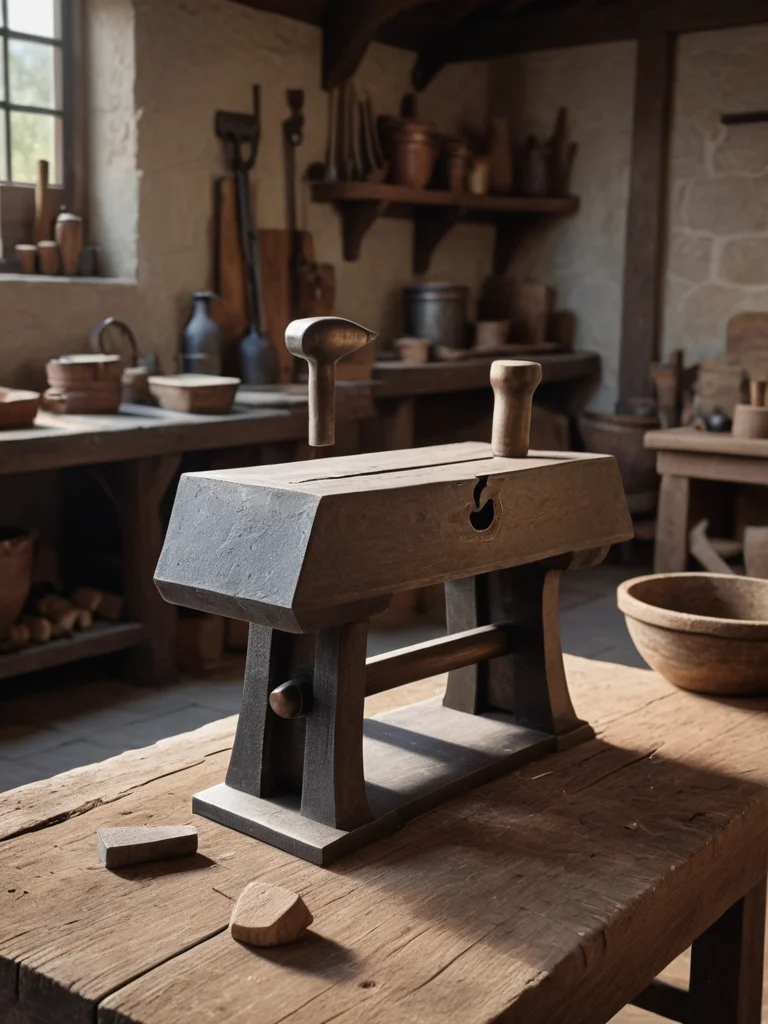
The Middle Ages, a period often associated in the popular imagination with knights in shining armor and majestic castles, was also an era of incredible flourishing of crafts and technological progress. It was then, thanks to the ingenuity and diligence of the masters, that the foundations of many technologies were formed, which became the bedrock of modern civilization. From simple hand tools forged in fiery furnaces to complex mechanisms powered by the forces of nature, every element of medieval craftsmanship was part of a grand story of creation and innovation that transformed people’s daily lives and the face of the entire continent.
Russian City Under Mongol Rule: How Life Changed

The history of Rus knows many turning points, but one of the most significant and dramatic, undoubtedly, was the Mongol invasion in the 13th century. The events of those years forever changed the appearance of ancient Russian cities, their political, economic, and social structure. What was life like in a Russian city under the Golden Horde? What changes did its inhabitants, their daily lives, crafts, and faith undergo? To answer these questions, let’s delve into the dark, but incredibly instructive pages of our history.
Everyday Life and Customs of Medieval Japan: Beyond Samurai Legends
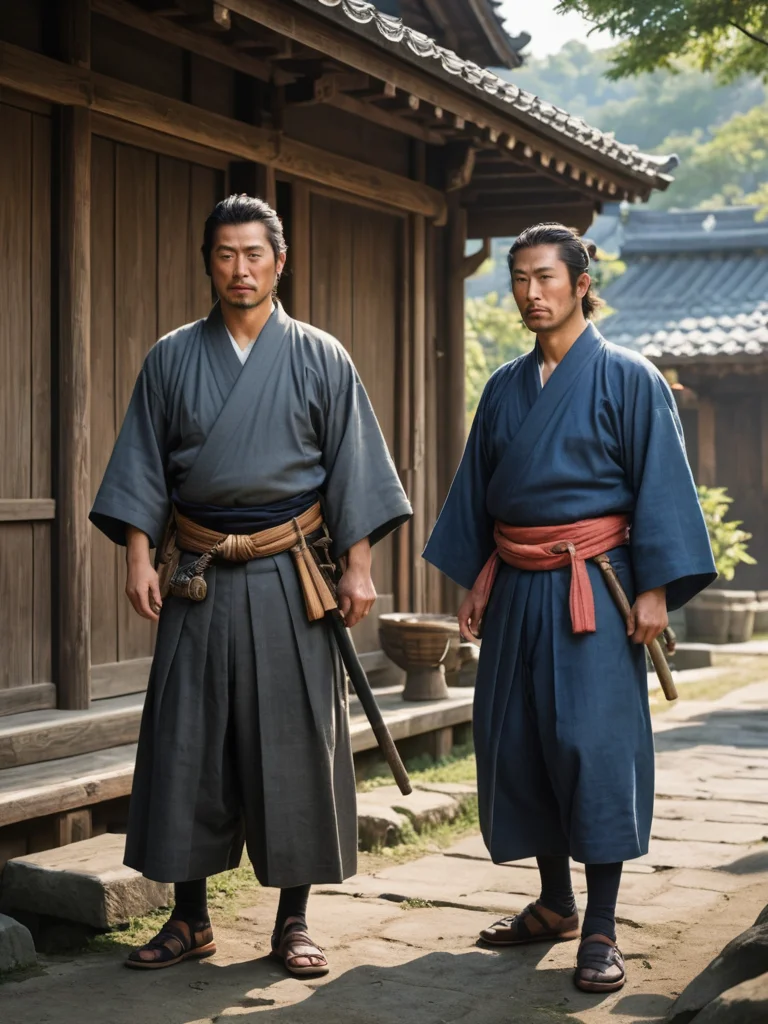
Welcome to history-moments.ru, where we strive to unravel the mysteries of the past and bring long-gone eras to life. Today, we embark on a fascinating journey to medieval Japan – a land that seems woven from legends, mysteries, and unshakeable traditions. Often, our perception of it is limited to images of fearless samurai with drawn katanas and elegant geishas parading through the streets of Kyoto. However, as is always the case with history, reality is far more complex, multifaceted, and undoubtedly much more interesting. We invite you to look beyond the veil of stereotypes and explore the daily lives of the people who built, created, fought, and simply lived in the amazing world of medieval Japan.
How Ordinary People Lived in Rus’ Before the Mongol Invasion: Daily Life in the Pre-Mongol Era
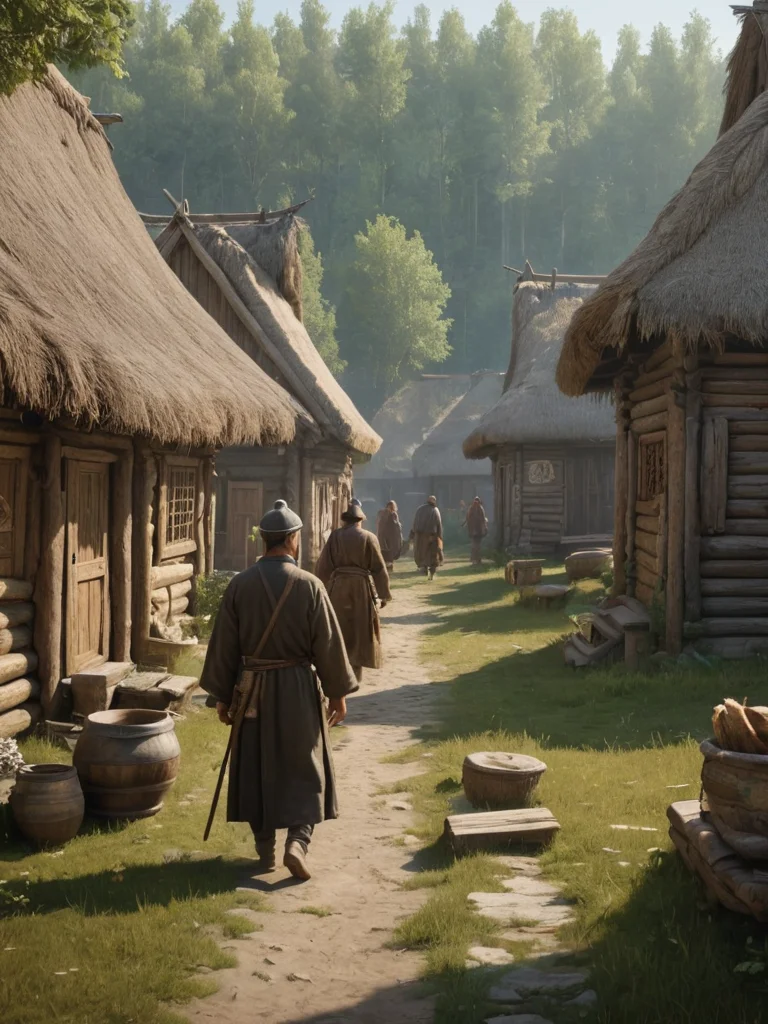
When we delve into the history of Ancient Rus’, our attention is often drawn to majestic princes, epic battles, and grand political intrigues. Chronicles meticulously record the deeds of rulers, the grandeur of churches, and the vicissitudes of internecine wars. However, behind these vivid pages of official history, a no less, and sometimes even more significant, part of the picture is often lost – the lives of millions of ordinary people, laborers, who, through their daily efforts, created the prosperity and culture of that time. It was their daily life, their joys and sorrows, their struggle for survival that formed the true fabric of ancient Russian society. It is impossible to understand Ancient Rus’ in its entirety without looking into humble huts, touching the calloused hands of plowmen, and listening to the whispers of ancient beliefs that guided the lives of our ancestors.