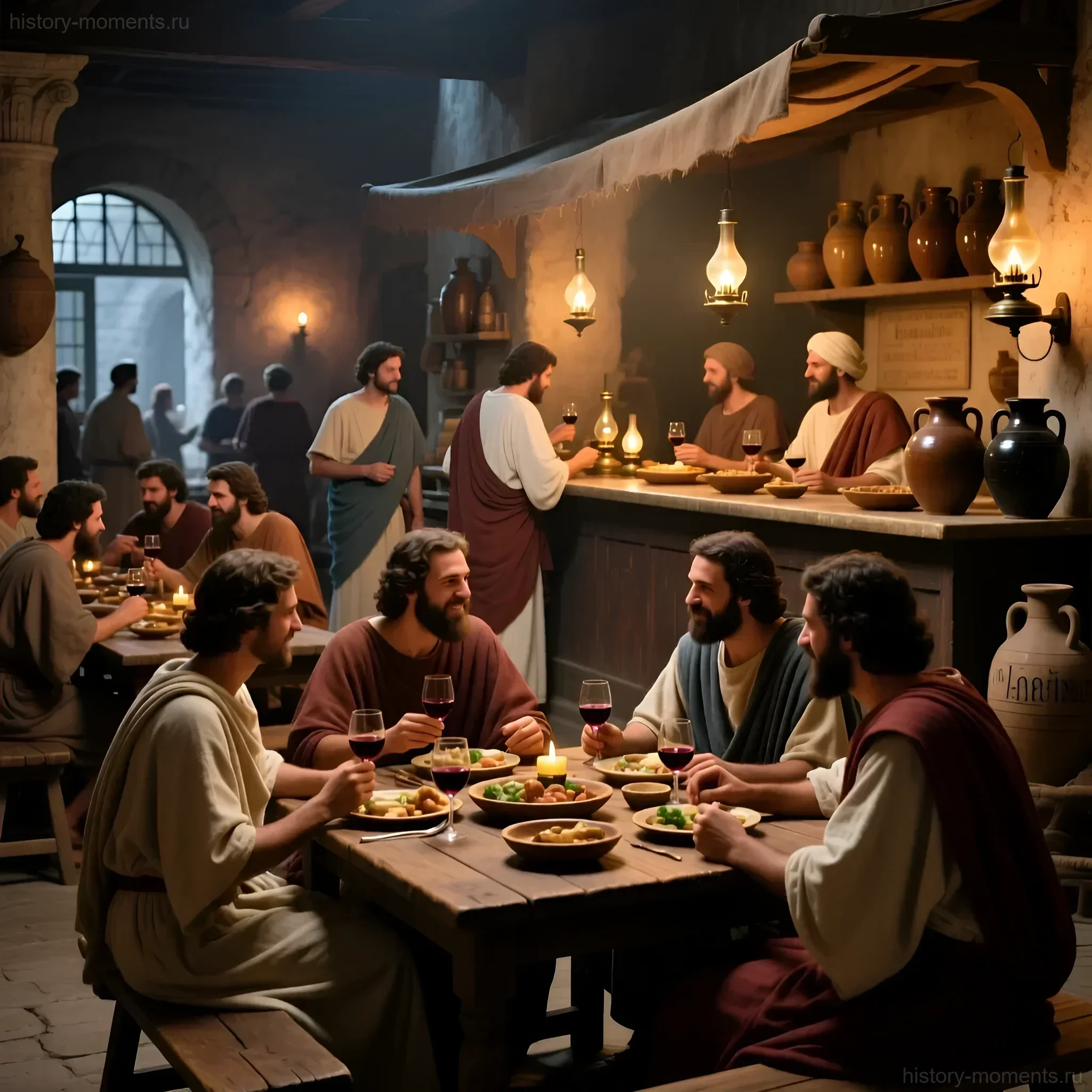
Imagine you are a weary merchant completing a long journey on the Appian Way, or a pilgrim heading to Santiago de Compostela, or perhaps a royal messenger rushing to deliver an important dispatch. Regardless of your era or social status, you were united by a sharp, vital need: to find a safe, warm haven where you could feed not only yourself but also your horse. Ancient taverns and inns were not just places to sleep; they were the circulatory system of civilization, hubs where rumors, trade, politics, and destinies intersected.
We invite you on a fascinating journey to discover how these historical establishments actually functioned, what awaited a traveler behind a creaky door, and why taverns often became the epicenters of great historical events.
Welcome to an Ancient Tavern: A Window into the Past
The history of hospitality is as old as the history of trade and wars. The first establishments resembling taverns emerged in Mesopotamia around 1700 BC. These primitive drinking houses, often run by women, offered local beer and simple food. But the true flourishing of inns began with the advent of extensive road networks.
What distinguished a tavern from an inn? In the ancient and medieval worlds, the difference was significant, although the lines often blurred:
- Tavern (or drinking house, Lat. taberna or caupona): An establishment primarily focused on selling drinks (wine, ale) and food, often without providing comfortable lodging. It was frequently located in a city or along busy roads, serving mainly the local population or lower-class travelers.
- Inn (Lat. hospitium, Eng. inn): A larger and more respectable establishment offering a full range of services: lodging, meals, stables, and animal care. It was inns that were vital for long-distance travelers.
When you entered such a tavern, you were greeted not only by the smell of cheap wine and smoke but also by a din of voices that represented the true “internet” of that era. Here, away from the strict supervision of authorities, you could hear the latest news, gossip, and, most importantly, information about road conditions and tax levels in the next province.
Roads and the Need for Shelter: The Prehistory of Taverns
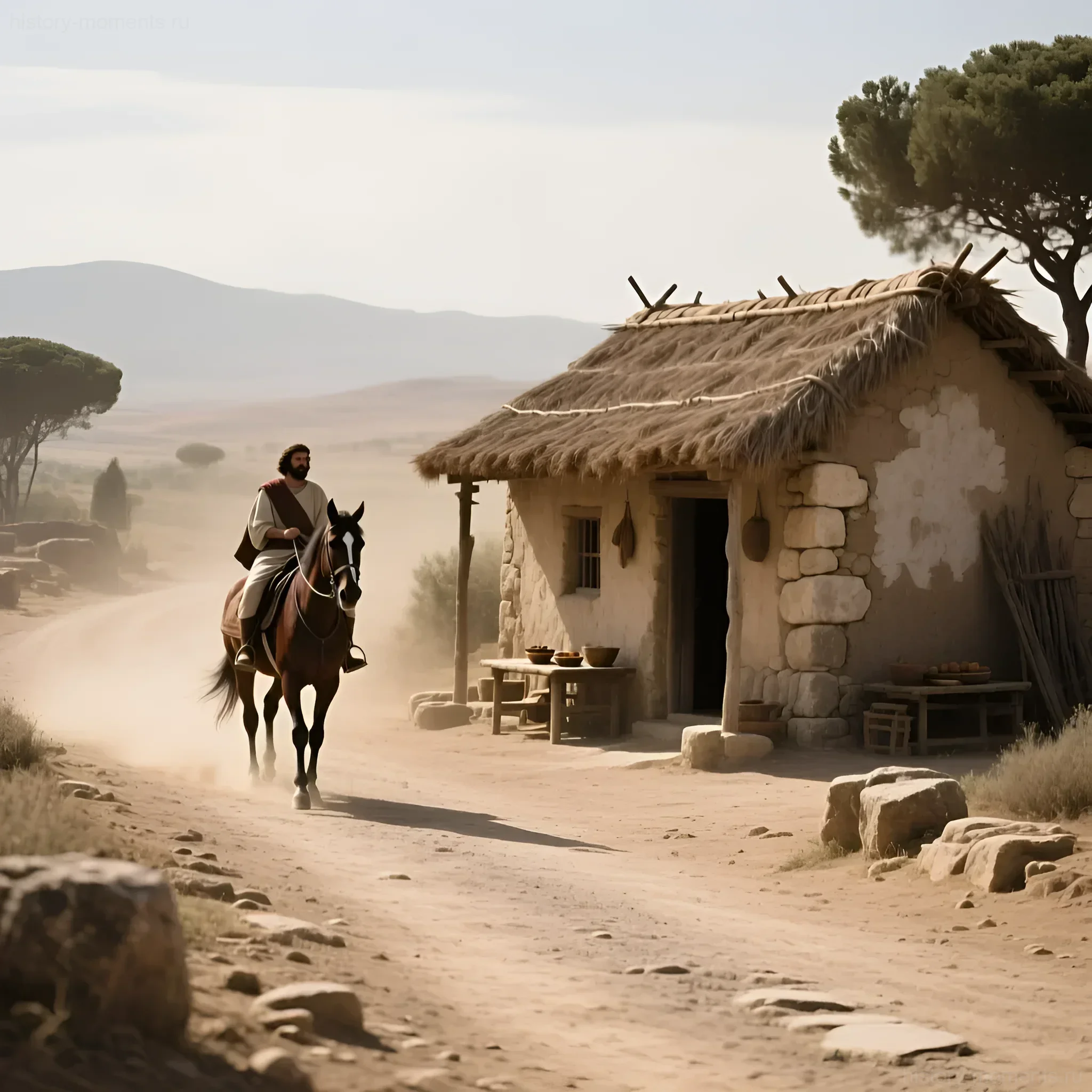
The need for systematized hospitality arose not from a desire for entertainment but from harsh necessity. Before the development of road networks (such as the famous Roman roads, construction of which began in the 4th century BC), travel was extremely dangerous and arduous. Travelers relied on the hospitality of private individuals or religious institutions.
The Roman Contribution to Lodging Logistics
It was the Roman Empire that standardized the hospitality system. The empire needed rapid troop, official, and postal deployment. For these purposes, a system of state-run inns was created along the main roads:
- Mansio (Mansion): Official, large inns maintained by the state. They were located about a day’s journey (about 25–30 km) apart and were intended for officials (especially those using the Cursus Publicus – state postal service) and high-ranking military personnel. Decent conditions could be expected here.
- Mutatio (Mutation): Horse-changing stations located between mansiones. They provided minimal rest and cart repair services but not full lodging.
Alongside the official mansiones, where conditions were expensive and strictly regulated, private establishments—cauponae and tabernae—always sprang up. These private taverns, which did not require official permission to stay, served legionaries, merchants, and commoners. They were cheaper, dirtier, but accessible to everyone.
The Middle Ages: Pilgrimage and Inns
After the fall of Rome, the mansio system declined. In the early Middle Ages, monasteries often provided hospitality, especially along great pilgrimage routes like the Camino de Santiago. However, by the 11th–12th centuries, with the growth of trade and urbanization, the need for commercial inns re-emerged. They were now often located in market squares or near city gates, becoming an integral part of the medieval urban landscape.
From a Simple Hearth to Bustling Life: How Taverns Evolved Through the Ages
The architecture and functionality of a tavern directly reflected the cultural characteristics of the era and climate. They looked quite different in various parts of the world.
Greece and Rome: A Contrast Between Classes
Ancient Greek pandokeion (public inns) and Roman cauponae had a bad reputation. They were cramped, dirty, and usually located in the most disreputable areas. Most respectable citizens (especially Roman senators and patricians) avoided them, preferring to stay in the homes of friends or use the hospitium (private hospitality) system.
A typical Roman caupona in Pompeii featured:
- Facade: An open counter (thermopolium) where hot drinks and food to go were sold.
- Interior: A small, dark room with stone benches and a hearth.
- Lodging: Tiny, often shared rooms on the second floor with hard straw-filled mattresses.
In contrast, large mansiones could boast baths, private rooms, and even gardens, but they were accessible only to the elite.
Medieval Europe: Courtyards and Galleries
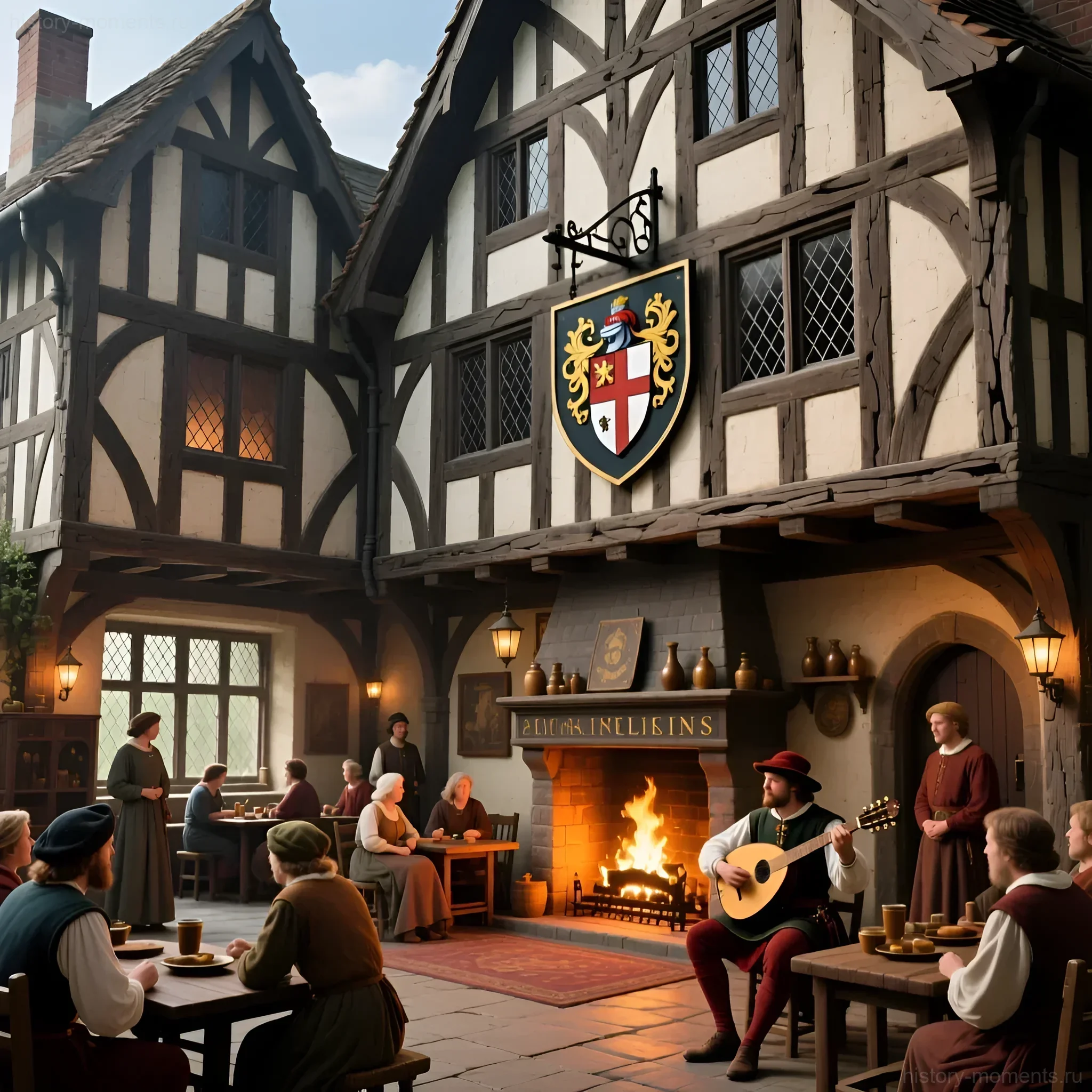
A medieval inn (e.g., an English inn or French auberge) was built around a large inner courtyard. This was not just an architectural choice but a logistical necessity.
Functions of the Courtyard:
- Stables: Horses and carts needed to be kept safe and supervised.
- Trade: Unloading goods, making deals.
- Entertainment: Traveling actors, singers, and puppeteers often performed here (this is where the tradition of balconies in Shakespearean theaters, mimicking inn galleries, originated).
Living quarters were located on the second floor, around the courtyard, which provided additional security. Inside, there was usually one large common room—the ordinaria—where travelers shared meals and the hearth, and a few separate, more expensive rooms for wealthy merchants.
The Coaching Inn Era
By the 18th–19th centuries, especially in England and the USA, taverns transformed into highly specialized Coaching Inns. Their layout was perfectly adapted for servicing mail coaches:
- Vast stables capable of housing dozens of horses.
- A system of rapid service: horses were changed in minutes while passengers had a quick meal.
- Presence of a post office and coach schedules.
These inns were symbols of speed and efficiency for their time, often having strict rules and a high reputation, unlike their Roman predecessors.
The Host, the Innkeeper, and the Regulars: Key Figures of the Tavern
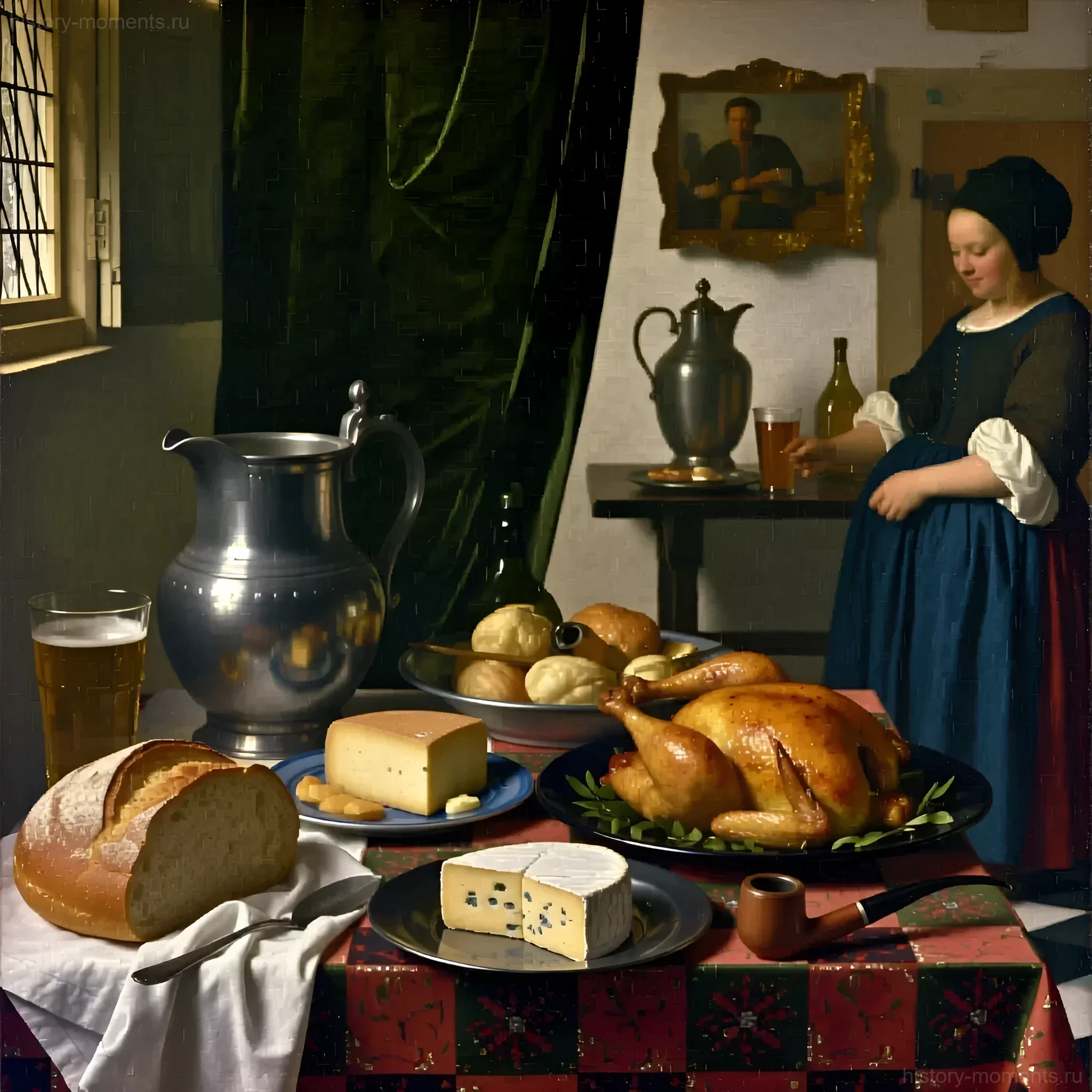
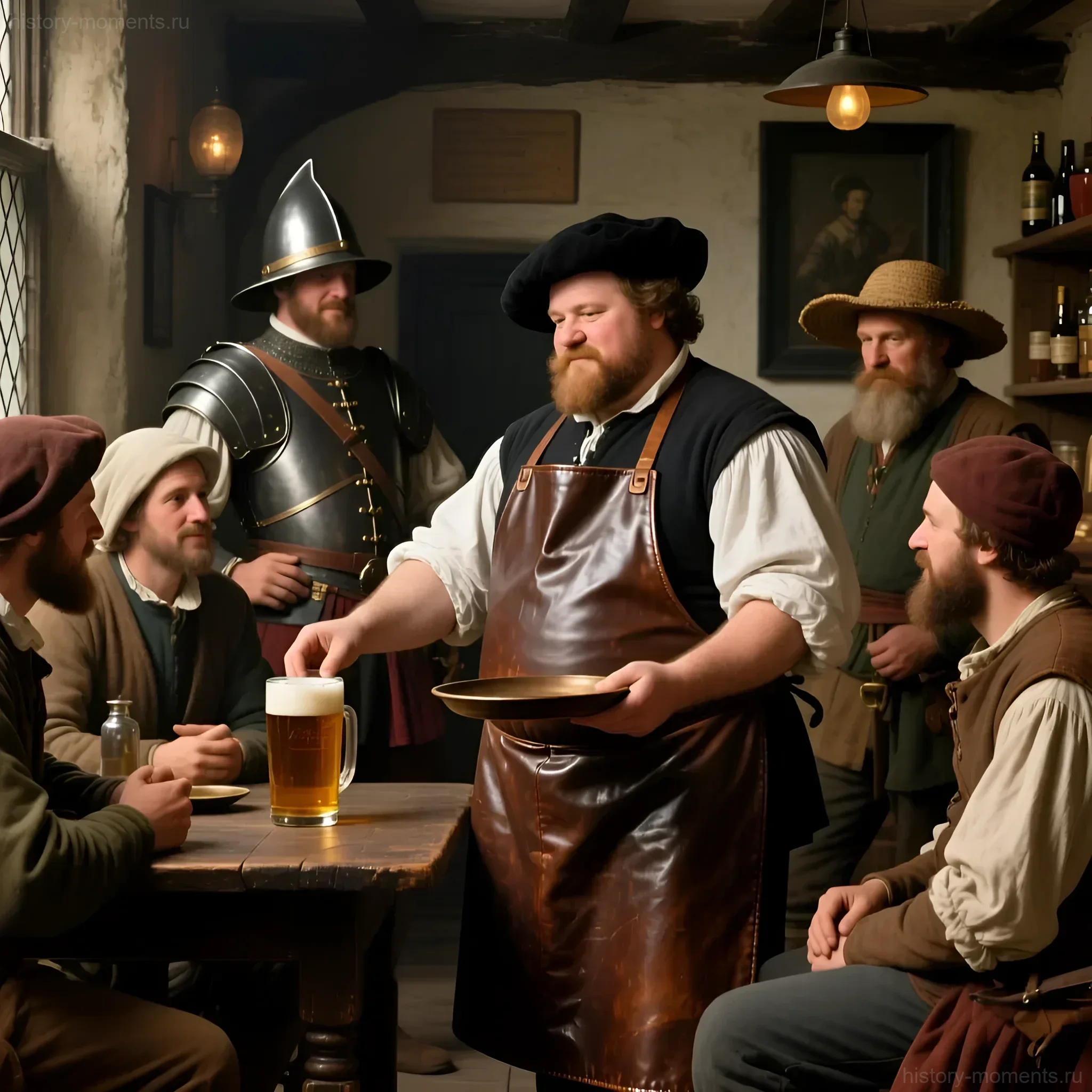
The soul of any inn was its host. In different eras, he bore different titles: the Roman caupo, the medieval hosteler, or the English innkeeper. It was a complex and often dangerous profession, requiring not only business acumen but also the ability to control a motley crowd.
The Innkeeper’s Profession: Between Hospitality and the Law
The innkeeper had to be a cook, accountant, diplomat, security guard, and even a banker all at once. In the Middle Ages, especially in cities, innkeepers were under close scrutiny by the authorities. They were obliged to:
- Observe the “Assize of Bread and Ale”: Laws regulating the quality and price of basic foodstuffs. Violating these norms could lead to fines and even the pillory.
- Maintain order: The innkeeper was responsible for crimes committed on his premises and had to report suspicious guests.
- Register guests: In the late Middle Ages and early modern period, in many European cities, innkeepers had to keep guest lists, which became the precursor to modern hotel registration books.
The innkeeper was often a wealthy man, as his establishment served not only as a place of lodging but also as a center for trading grain, wine, and even usury.
Regulars: A Social Cross-Section
The tavern was one of the few places where representatives of different social strata could meet face-to-face, though not always at the same table. Who constituted the main clientele?
- Merchants and traders: The primary clients. They needed safe storage for goods and horses, as well as an exchange of information on prices and routes.
- Pilgrims and monks: Heading to holy sites. They often sought cheaper lodging, and sometimes free shelter in monastic guesthouses (xenodochium).
- Soldiers and mercenaries: Loud, demanding, and often insolvent. Their presence often meant disturbances but also protection from bandits.
- Commoners and artisans: Used city taverns as a place for daily communication and small deals.
- Bandits and spies: Taverns, especially roadside ones, were ideal places for recruitment, planning crimes, and exchanging secret information.
Sometimes taverns became places of work for so-called “tavern girls,” especially in Roman cauponae, which only reinforced their reputation as places of sin and disorder.
The Menu and Entertainment: What Was Eaten, Drunk, and How Time Was Spent in Ancient Taverns
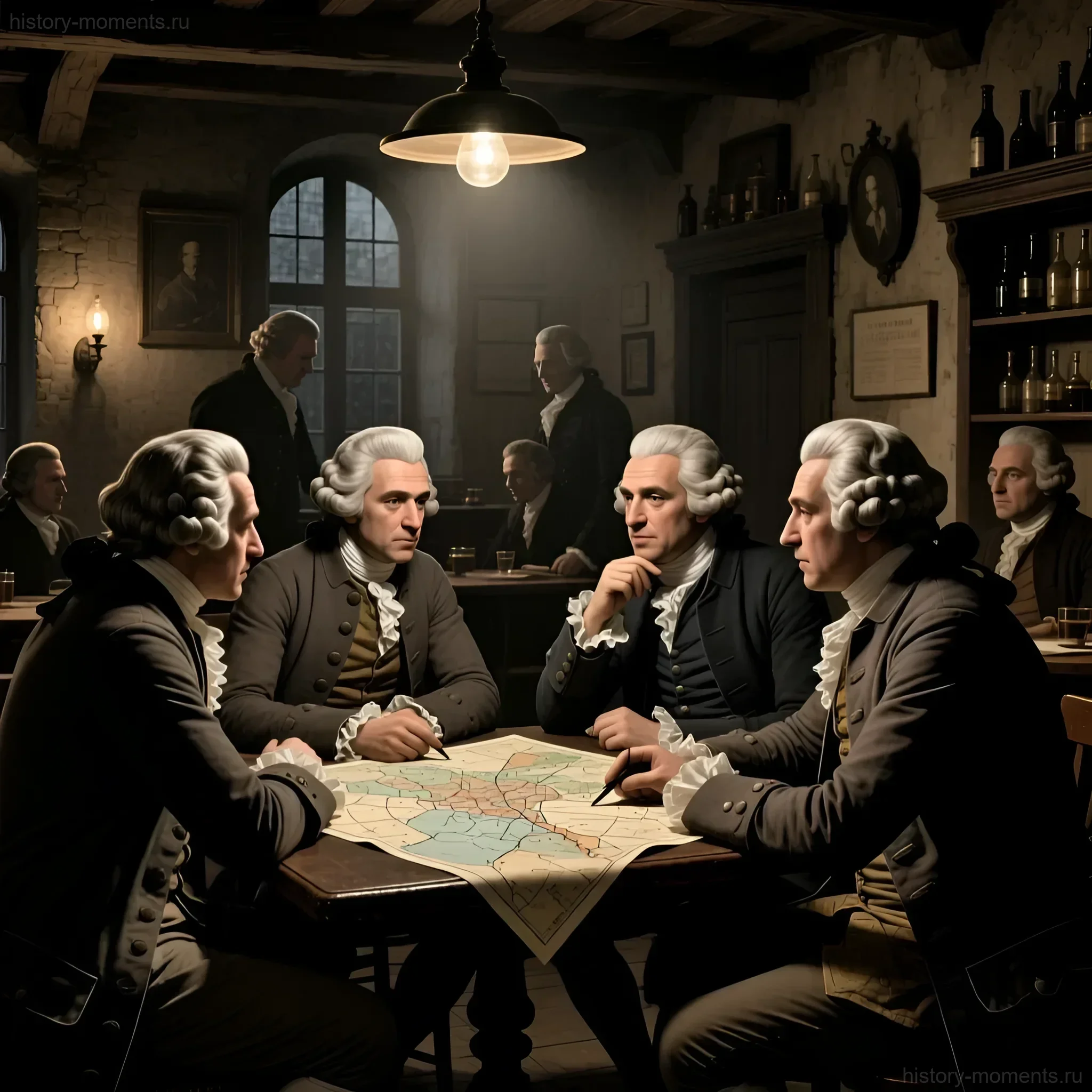
If you are accustomed to modern restaurant service, the menu of an ancient tavern would seem extremely meager, and the hygiene frightening. However, for a weary traveler, it was a true paradise.
Food: Simplicity and Calories
The main rule of tavern cuisine was: fast, cheap, and filling. No one expected exquisite dishes; the main thing was that the food was hot and caloric enough to continue the journey.
- Roman Era: The basis of the diet was puls (a thick porridge of spelt or wheat), served with olive oil, vegetables, or cheese. Meat was a luxury, but stew or sausages might be served.
- Middle Ages: Pottage (a thick soup or stew) dominated, cooked for hours, sometimes for days, with whatever was at hand: legumes, cabbage, root vegetables, and leftover meat. Bread, often stale, was a must.
- Fish: If the tavern was located by the sea or a river, fresh fish was on the menu. Inland, it was salted or dried.
It is important to note that most taverns did not have ovens for baking, so bread was bought from city bakers. This often led to conflicts over quality and freshness.
Drinks: Safer Than Water
The main drink that travelers came to the tavern for was alcoholic, as clean water was scarce and a source of disease.
Main Drinks:
- Wine: In the Mediterranean (Greece, Rome, southern France). The wine was often of low quality, thick, sour, and usually diluted with water (sometimes seawater!) and flavored with spices (mulsum).
- Ale and Beer: In Northern Europe (Germany, England, Flanders). Beer was brewed from barley, oats, or wheat. It was weak, cloudy, and nutritious, often consumed even by children, as the brewing process killed microbes.
- Cider and Mead: In regions where grapes did not grow (France, England), cider (apple or pear) and mead (a fermented honey-based drink) were popular.
The innkeeper often served drinks from common pitchers and mugs, which, of course, did not contribute to hygiene but was in line with social norms.
Entertainment: Gambling and Songs
As darkness fell, the tavern became the center of social life. Entertainment was simple but engaging:
- Gambling: Dice (alea in Rome), cards (after their appearance in Europe in the 14th century), and backgammon (tabula). Gambling was often forbidden by law (e.g., in Rome) but thrived in taverns, leading to fights and ruined travelers.
- Music and Songs: Traveling minstrels, troubadours, or simply drunken regulars provided the musical accompaniment.
- Stories and Gossip: The main entertainment was the exchange of news, tales of travel adventures, and, of course, political rumors.
Taverns as Centers of Information and Intrigue: Influence on Society and Politics
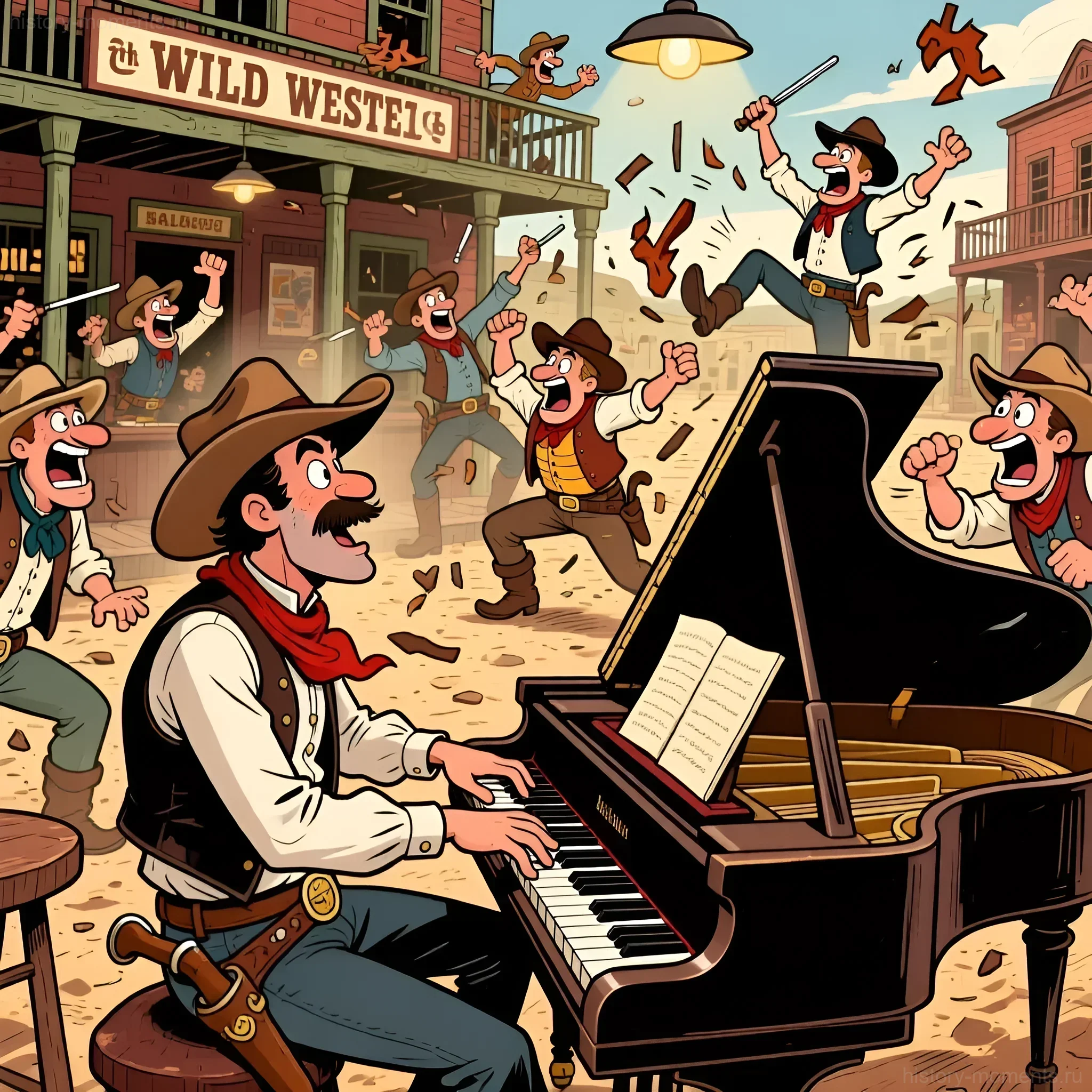
Taverns were more than just places to have a drink. They functioned as unofficial post offices, job exchanges, and, most importantly, as headquarters for conspirators and political factions.
The Rumor Mill and Unofficial Mail
In the era before regular press and telegraph, information spread by word of mouth. Merchants, carters, and soldiers, who were constantly on the move, were the main sources of news. The innkeeper, sitting behind the counter, often knew more about what was happening in the capital or on the border than local officials.
Practical Role of the Tavern:
- Letter Delivery: Travelers often agreed to deliver letters or small packages to other innkeepers or merchants along their route.
- Recruitment: Workers, sailors, and, more often, mercenaries were hired here.
- Place for Deals: Large commercial transactions, especially concerning livestock or grain, were often concluded in the private rooms of inns.
Political Conspiracies and Revolutionary Cells
As taverns were public places where one could easily blend in with the crowd, they were ideal for secret meetings. In the 16th–18th centuries, many European taverns became centers of political dissent.
- The Gunpowder Plot (1605): The famous Guy Fawkes and his accomplices often met in London taverns to discuss their plans to blow up Parliament.
- The French Revolution: Before and during the Revolution, many Parisian cafes and taverns (e.g., Café Procope, though it’s more of a cafe than a tavern) served as meeting places for Jacobins and other revolutionary factions.
- The American Revolution: The “Cocksworth Tavern” in Boston and other establishments became headquarters for the “Sons of Liberty,” where protest actions were planned, including the famous Boston Tea Party.
Authorities were, of course, aware of this. In many countries, innkeepers were obliged to cooperate with the police and employ informants who listened to patrons’ conversations.
Interesting Facts About Ancient Taverns: Curious Cases and Unusual Traditions
Life in ancient taverns was full of unusual rules and traditions that seem amusing or strange to us today.
Signs and Advertising
In the Middle Ages and early modern times, most of the population was illiterate. Therefore, taverns used bright, memorable signs, which often depicted animals, mythical creatures, or everyday objects.
- “The Red Lion,” “The White Hart,” “The King’s Head”: These signs were not just names; they often indicated the tavern’s affiliation (e.g., “The White Hart” was the emblem of King Richard II) or the type of drink served there.
- The Bush: In ancient Rome and medieval Europe, if a tavern hung a branch or bush over its door, it meant they had fresh wine for sale (the saying “Good wine needs no bush” comes from this).
The “Drunkard’s Rest” Law
In some medieval German lands, there were strict rules regarding behavior in taverns. For example, if a guest was so drunk that they could not stand up on their own, the innkeeper was obliged not only to put them to bed but also to ensure their safety so they wouldn’t freeze or be robbed. This was called Trinkstube Ordnung (drinking room order).
The Problem of Bedbugs
Lodging in an ancient tavern was almost always accompanied by uninvited guests. Bedbugs, fleas, and lice were an inevitable attribute of straw mattresses and dirty linen. Innkeepers fought them by fumigating rooms or regularly changing the straw, but with little success. Travelers were often advised to sleep in their own clothes and stay away from the walls.
“Tally Sticks”
Before the widespread use of paper and literacy, innkeepers often kept track of debts using special wooden sticks (tally sticks). Notches were made on the stick to indicate the amount consumed. When the debt was paid, the stick was burned or broken. This system was extremely reliable and was even used in the British Treasury until the 19th century.
The Legacy of Taverns: How They Influenced Modern Bars and Restaurants
Although we no longer encounter mansiones along highways, and straw mattresses are a thing of the past, the ancient tavern has left an indelible mark on the modern hospitality industry. Many modern concepts originate precisely from these noisy and dirty, but so important, places.
Division of Functions
The modern industry has divided the functions that a single tavern once performed:
- Hotel: The heir to the inn, providing lodging and comprehensive services. The word “hotel” itself comes from the French hôtel, which in turn evolved from auberge (inn).
- Restaurant: Although restaurants in the modern sense emerged in France in the 18th century, they inherited the tavern’s function of providing hot meals at a fixed price.
- Bar/Pub: A direct descendant of the drinking house (taberna), where the emphasis is on drinks and social interaction. The word “pub” itself is an abbreviation of public house (a public building).
The Tradition of the “Common Table”
In many modern bars and pubs, the tradition of common tables or long counters where strangers can sit together has been preserved. This is a direct legacy of the medieval ordinaria hall, where all travelers, regardless of rank, shared meals and exchanged stories.
Standardization and Regulation
From Roman laws regulating wine prices to the medieval “Assizes,” the modern hospitality industry remains one of the most regulated. Licensing, hygiene, and safety requirements, which seem self-evident to us today, are merely improved versions of the rules that were attempted for cauponae owners two thousand years ago to protect travelers from fraud and disease.
Thus, the next time you are relaxing in a cozy hotel or enjoying a pint in a historic pub, remember: you are in a direct descendant of the ancient tavern. This is a place that, for millennia, has served as a beacon in the darkness, promising the weary traveler food, warmth, and, most importantly, human connection.