
When we utter the words “abolition of serfdom,” many immediately envision a grand act of justice that bestowed long-awaited freedom upon millions. Indeed, February 19, 1861, marked a turning point in Russian history, forever altering the destinies of peasants, who constituted the vast majority of the empire’s population. However, as is often the case with large-scale historical events, profound complexities lay hidden behind apparent simplicity, and a whole host of new challenges and burdens followed the promised freedom. For the Russian peasant, this moment marked the beginning of a long and arduous journey that equally combined elements of liberation and a new, at times no less heavy, burden.
 admin
admin
Noble Russia of the 19th Century: Between the Glitter of Balls and a Fatal Shot
Welcome, dear readers, to an era when the life of the Russian nobility was an astonishing intertwining of refinement and fatal uncompromisingness. The 19th century in Russia is a time of great novels and tragedies, where behind the facade of lavish balls and social salons lay deep dramas, and the thin thread of honor could be broken by a sudden fatal shot. Historians agree that this era was unique in its contradictions, combining the sophistication of European manners with a distinctive Russian severity, where matters of reputation and dignity were paramount.
The Wild West: Hollywood Myths vs. The Harsh Truth About Cowboys, Farmers, and Outlaws
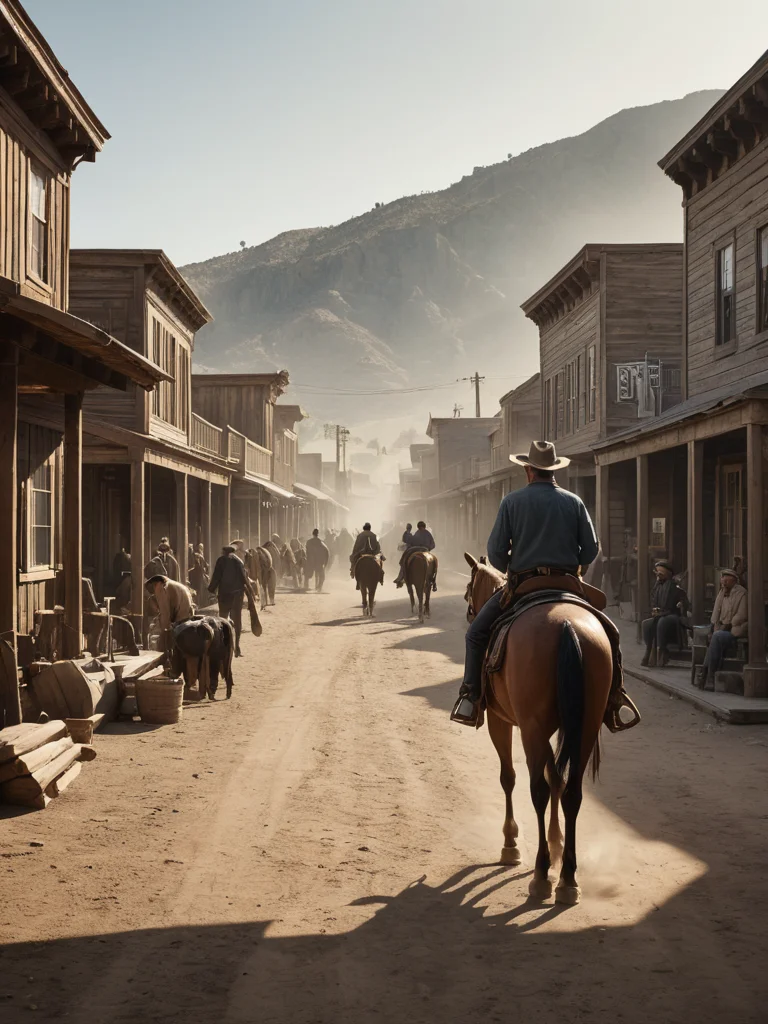
Imagine the Wild West: vast prairies, galloping cowboys, saloon shootouts, and ruthless outlaws on the run from the law. This is the image that cinema, literature, and comics have cultivated for decades, embedding it in our minds as an integral part of American history. However, historians argue that the cinematic Wild West is merely a beautiful, yet distant, depiction created for public entertainment.
Aztec Life and Customs: From “Floating Gardens” to Human Sacrifices
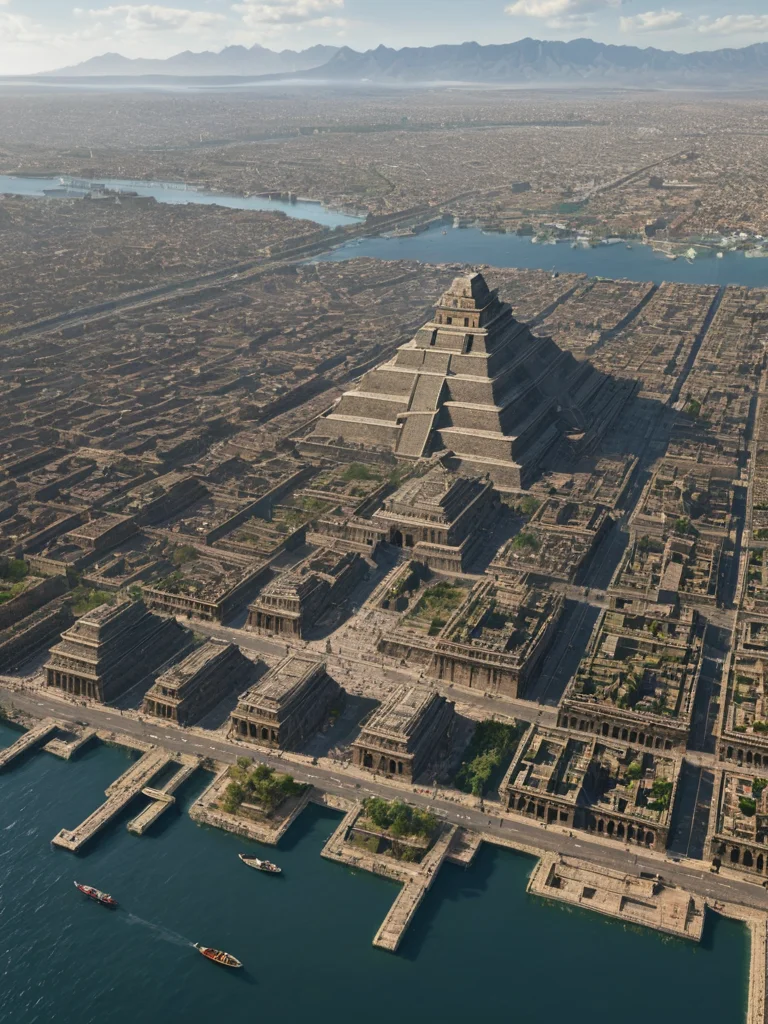
Imagine a city rising from the middle of a vast lake, where canals serve as streets and houses and temples are built on artificial islands. A city where thousands of people flock daily along roads connecting it to the mainland to trade, pray, and live a vibrant life. This was Tenochtitlan – the capital of the mighty Aztec Empire, a unique creation of human thought and labor, which emerged in the middle of Lake Texcoco in present-day Mexico.
How Mills Worked: A Key Technology of the Middle Ages

Imagine a world where every piece of bread required incredible effort, where grain had to be ground by hand, taking hours and days of hard labor. This was the reality for most people before the advent of truly efficient mechanisms. The Middle Ages, often associated with knights and castles, were in fact an era of profound technological transformation, one of the pillars of which was the mill. They were not just structures; they were the very heart of medieval society, the circulatory system that sustained its life.
Daily Life and Morals at the Byzantine Emperor’s Court: Luxury and Intrigue
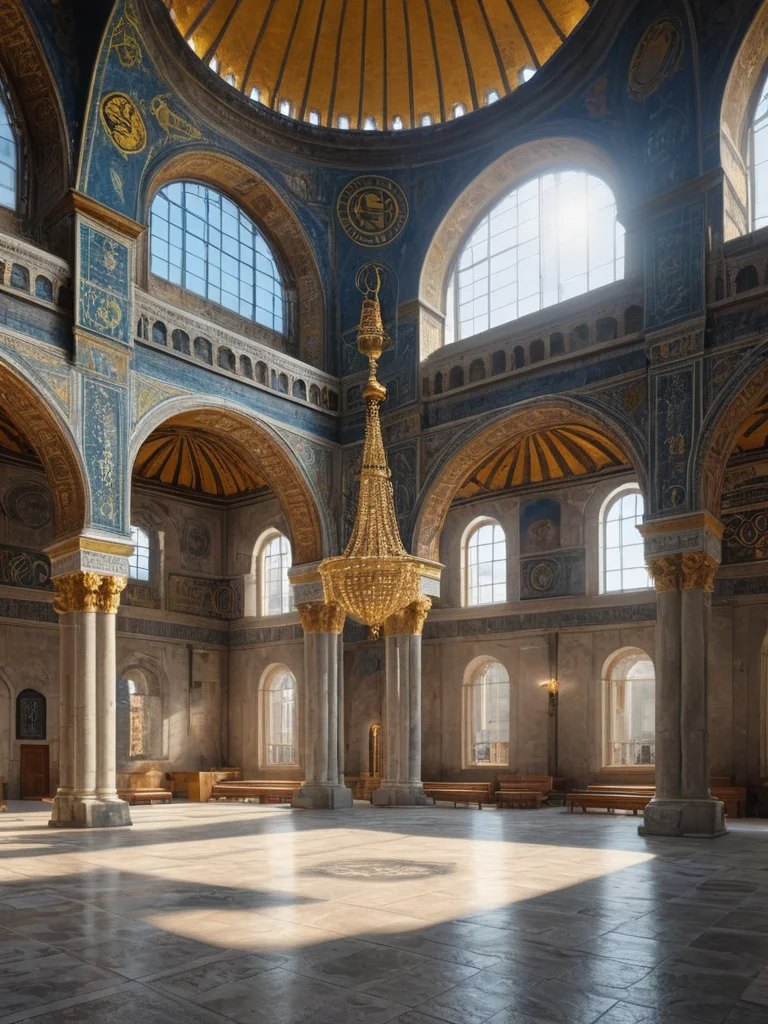
Before delving into the world of gold, intrigue, and ceremonies, it is essential to understand why Constantinople, the capital of the Byzantine Empire, occupied such a unique position on the map of the medieval world. Historians agree: it was not just a city, but a living embodiment of imperial power, a cultural and religious beacon, and its court was the heart through which wealth, power, and information flowed from all corners of the known world. This was partly due to its strategic location at the crossroads of Europe and Asia, making it an indispensable center for trade and diplomacy. Constantinople, or New Rome, as it was often called, was a bridge between East and West, a place where cultures, ideas, and ambitions mingled.
Carnival: The Time When All Prohibitions Were Lifted
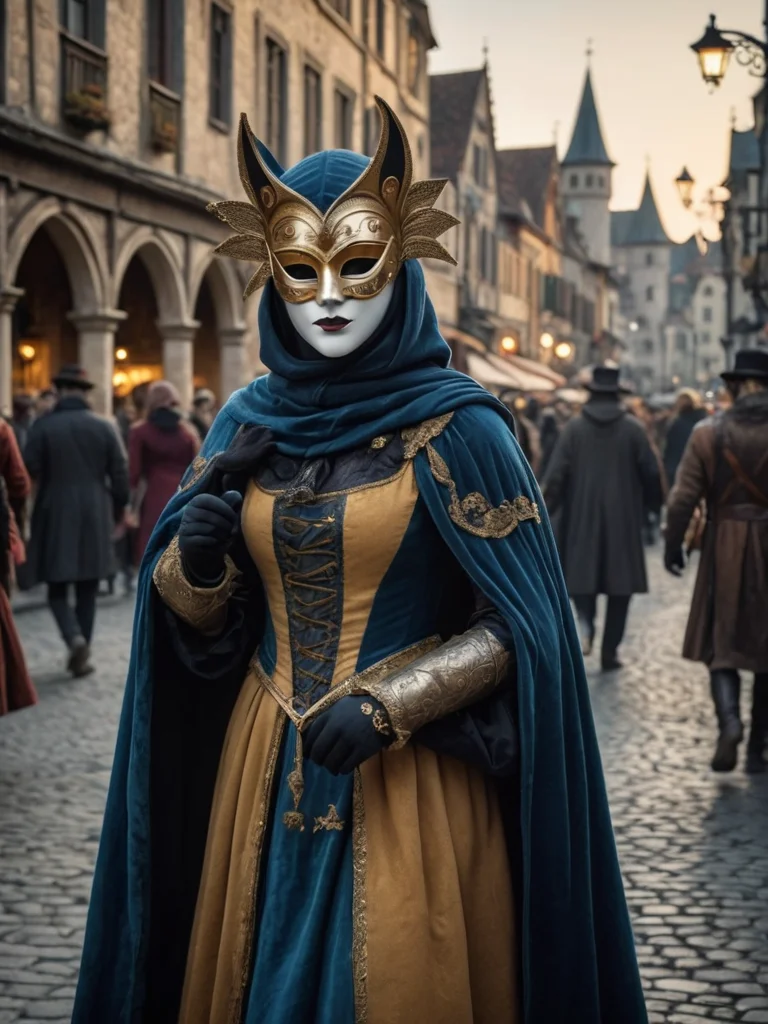
Have you ever wondered what carnival truly is? Not just a colorful procession or a noisy party, but a deeply rooted historical phenomenon that turned the world upside down. It was a time when social hierarchies crumbled, norms of decency disappeared, and the permissible transgressed all imaginable boundaries. Historians and culturologists, studying the phenomenon of carnival, often conclude that it was not just an entertainment event, but a kind of collective ritual that allowed society to let off steam and temporarily shed the shackles of everyday life.
Daily Life in the Novgorod Republic
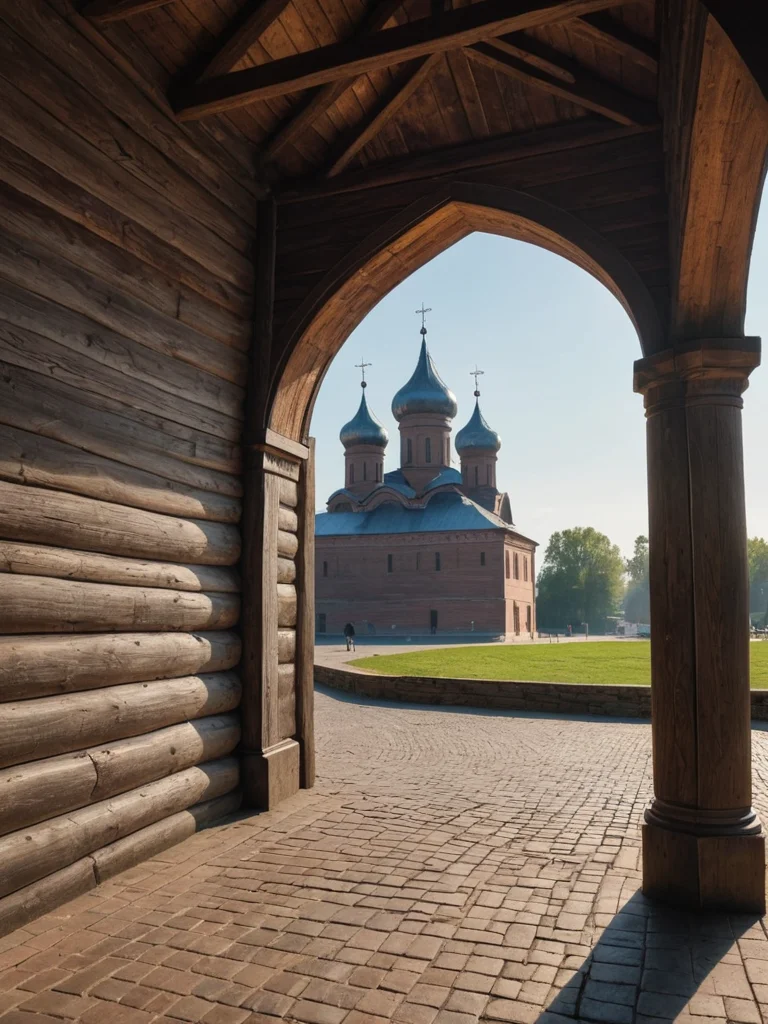
Welcome to history-moments.ru, where we delve into the fascinating world of the past! Today, our journey takes us to one of the most unique and enigmatic corners of Ancient Rus’ – the free city of Veliky Novgorod. Imagine: the 11th-15th centuries, princes are fighting for power in Rus’, centralized states are forming, and in the northwest, on the banks of the Volkhov River and Lake Ilmen, something entirely different is flourishing – a powerful trading republic, where decisions were made not by a single prince, but at a popular assembly – the veche. It was a special world, unlike Kyiv, Vladimir, or Suzdal. The Novgorod land, like a magnet, attracted merchants from all over Europe, and its inhabitants built their lives, laws, and culture, independent of the usual feudal order. It is this unique character of Novgorod that makes the daily life of its inhabitants such a captivating topic of study. From how great trade deals were concluded to what simple artisans had for breakfast – every aspect of a Novgorod resident’s life was imbued with a spirit of freedom, entrepreneurship, and civic-mindedness.
What a Typical Day for a Venetian Merchant Looked Like
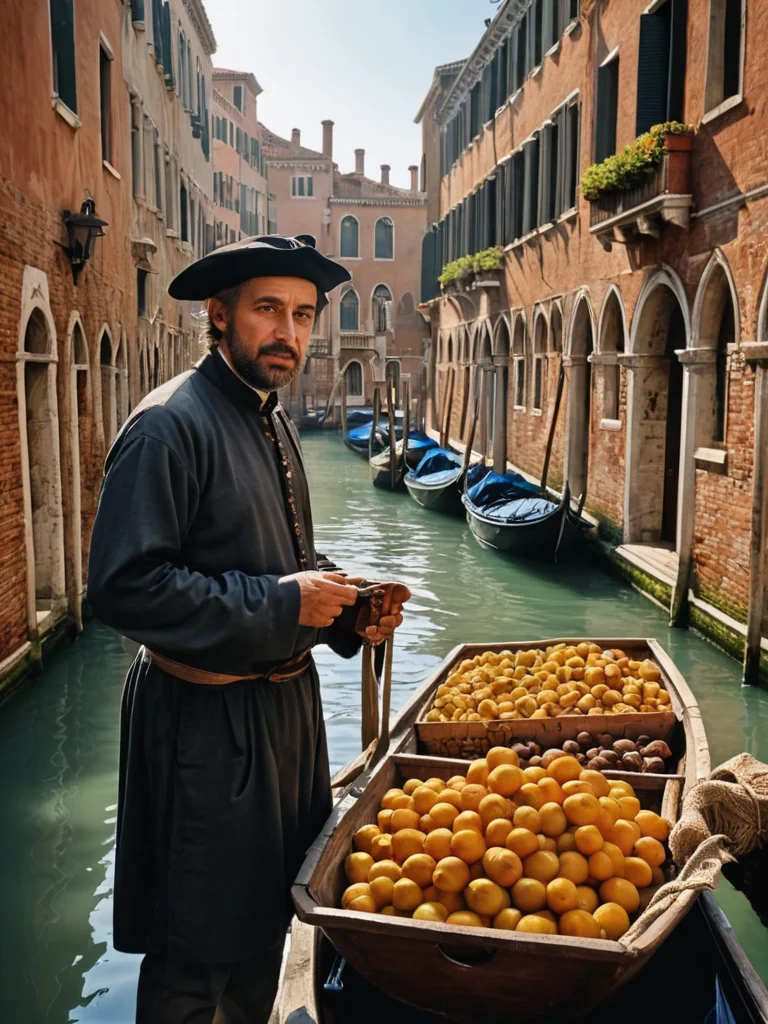
Welcome to Venice, the pearl of the Adriatic, a city that for centuries served as a bridge between East and West, a center of unprecedented wealth and cultural exchange. Imagine the scene: the lagoon shrouded in a misty haze, the sun rising on the horizon, illuminating the spires of cathedrals and red tiled roofs. In this setting unfolded the lives of Venetian merchants – people who not only traded but literally shaped the global economy of their time. Their daily concerns, risks, and triumphs were inextricably linked to the rhythm of the city, the splash of the canals, and the whisper of the wind bringing news from distant lands. Today, we will delve into one such ordinary, yet incredibly eventful day, to understand what it was like to be the heart of a thriving trading empire.
Daily Life and Customs at the Court of Charlemagne
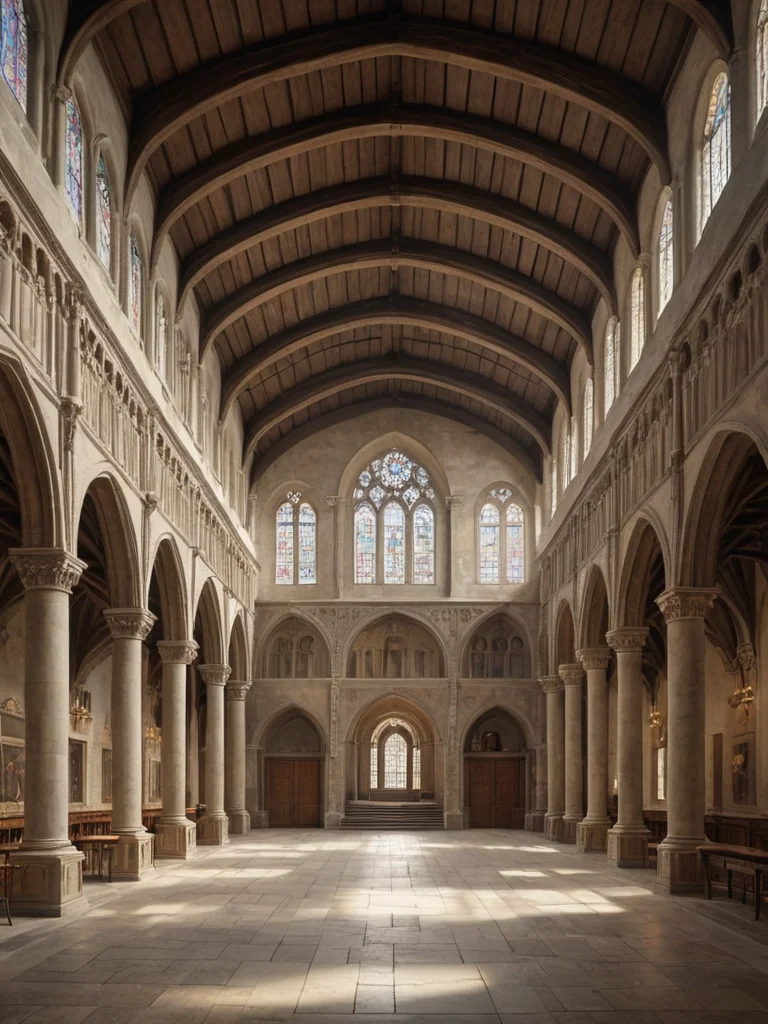
When we utter the name Charlemagne, an image of a mighty ruler, who united vast territories under his scepter and revived the idea of the Western Roman Empire, inevitably appears before our inner eye. Historians unanimously recognize him as one of the key figures of the European Middle Ages, whose reign marked an era of revival – the Carolingian Renaissance. However, behind the brilliance of coronations and the grandeur of military campaigns lay everyday life, filled with its own rules, traditions, and a unique way of life that is often far from our modern notions of luxurious palaces and refined manners.