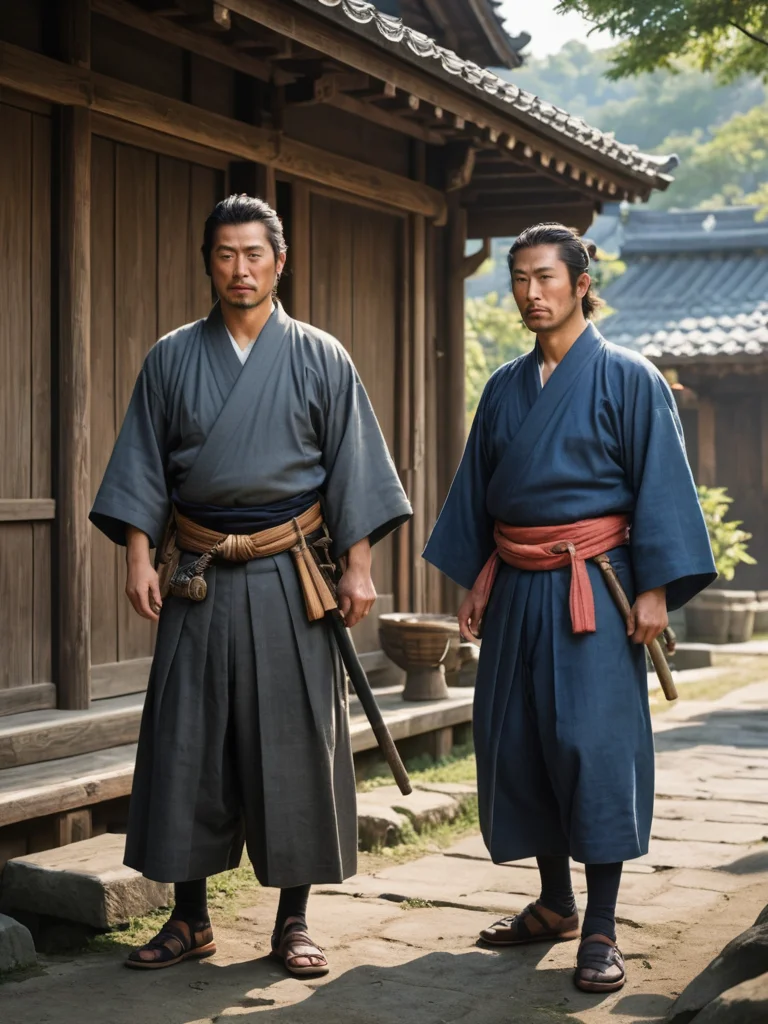
Welcome to history-moments.ru, where we strive to unravel the mysteries of the past and bring long-gone eras to life. Today, we embark on a fascinating journey to medieval Japan – a land that seems woven from legends, mysteries, and unshakeable traditions. Often, our perception of it is limited to images of fearless samurai with drawn katanas and elegant geishas parading through the streets of Kyoto. However, as is always the case with history, reality is far more complex, multifaceted, and undoubtedly much more interesting. We invite you to look beyond the veil of stereotypes and explore the daily lives of the people who built, created, fought, and simply lived in the amazing world of medieval Japan.
Immersion in the Era: What Medieval Japan Lived For, or Samurai Didn’t Just Fight
Medieval Japan is not a single, static period, but rather a dynamic and often turbulent stretch of history spanning over seven centuries, from the late 12th to the mid-19th century. This era is conventionally divided into several key periods, such as Kamakura (1185–1333), Muromachi (1336–1573), and Sengoku (1467–1603). Each brought its own peculiarities to the political, social, and cultural fabric of the country, but all were united by one common feature – the dominance of the military class, the samurai, and the establishment of the feudal system known as bakufu, or shogunate.
According to historical sources, it was an era of profound social change and constant internecine wars, particularly evident during the Sengoku period, which literally translates to the “Warring States Period.” During this time, the country was fragmented into numerous independent domains, ruled by powerful daimyo – great feudal lords, each striving to expand their territories and influence. Nevertheless, despite this constant struggle for power, unique forms of culture and art developed, and, importantly for our research, specific ways of life and moral principles were formed that continue to influence Japanese society to this day.
Japan’s geographical location – an archipelago of islands separated from the mainland by turbulent seas – played a key role in shaping its unique developmental path. Relative isolation allowed its culture to develop indigenously, minimizing external influences, although contacts with China and Korea certainly occurred and had a significant impact, especially in the areas of religion (Buddhism) and writing. Limited natural resources and a rugged terrain, where fertile land constitutes only a small part of the territory, led to the formation of a society deeply dependent on agriculture, primarily rice cultivation. This, in turn, determined the rhythm of life for the majority of the population, their customs, and even their religious beliefs, closely tied to natural cycles and fertility.
The religious landscape of medieval Japan was represented by two main pillars: Shinto and Buddhism. Shinto, the indigenous Japanese religion, was based on the worship of kami – spirits residing in natural objects (mountains, rivers, trees) and phenomena, as well as in ancestors. It permeated daily life, regulated rituals related to agriculture, birth, and death, and fostered a deep respect for nature and its forces. Buddhism, which arrived from China and Korea starting in the 6th century, particularly flourished in the medieval period, acquiring various schools and forms. Zen Buddhism, for example, had a profound influence on samurai ethics, art (tea ceremony, ikebana, gardening), offering a path to enlightenment through meditation and self-discipline. These two religions did not oppose each other but often coexisted and even intertwined, shaping the unique worldview of the Japanese.
Thus, medieval Japan is not just about battlefields and valiant warriors. It is a complex mosaic of peasant fields, bustling cities, refined aristocratic estates, monasteries, and temples. It is a world where, alongside the stern discipline of the warrior, there existed a deep love for the beauty of nature, where the strictness of moral codes combined with exquisite art, and where daily life was imbued with both labor concerns and festive rituals. To truly understand this world, we must examine how people of different social classes lived, what they valued, and how they spent their days.
From Hut to Castle: How Did Different Social Classes Live?
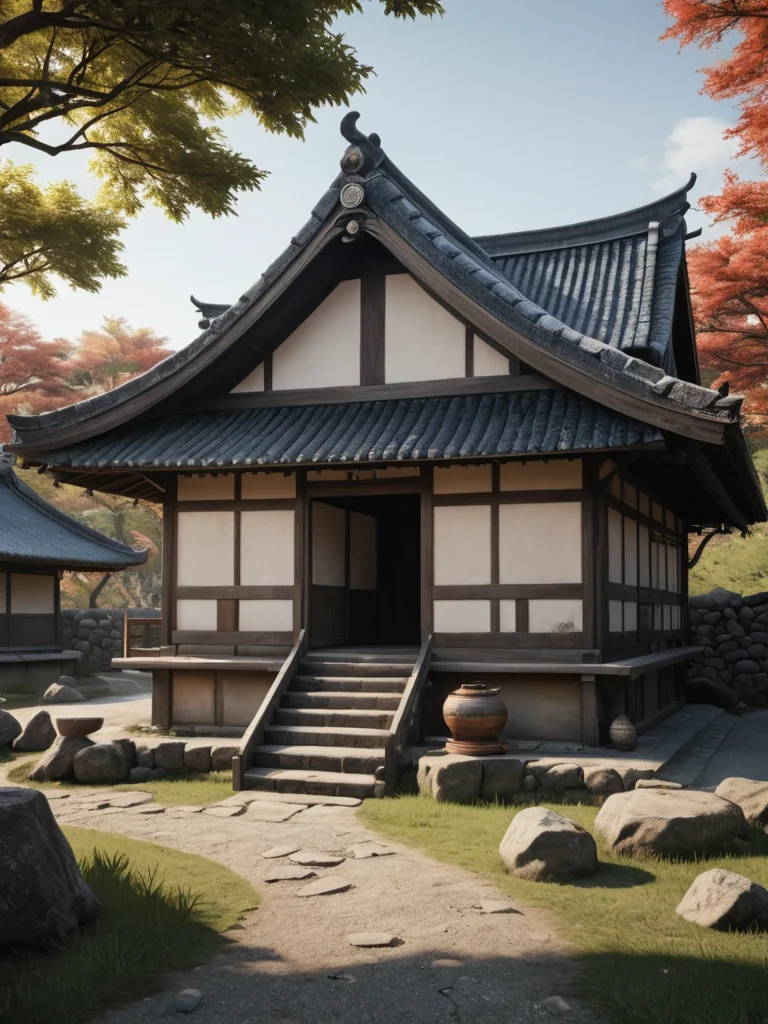
The social structure of medieval Japan was strictly hierarchical, though not as rigid as some caste systems. Society was divided into several main classes, each with its own privileges, duties, and peculiarities of lifestyle and housing. Historians identify the following main groups: nobility (kuge), the military class (bushi, or samurai), peasants (nomin), artisans (kōmin), and merchants (shōnin). There were also marginal groups, but their way of life was outside the main social fabric.
Life of the Aristocracy (Kuge)
At the apex of the social pyramid, at least formally, was the aristocracy, or kuge – descendants of ancient clans whose power was concentrated in the capital, Kyoto, around the imperial court. Their lives were filled with refinement, ceremonies, poetry, music, and exquisite arts. They lived in vast palaces and estates built in the shinden-zukuri style, with sliding walls opening onto picturesque gardens with ponds and pavilions. These homes were designed to blur the line between interior and exterior, inviting nature inside. Their clothing was layered, refined, and colorful, reflecting their high status. However, despite their cultural influence, the political power of the kuge gradually waned with the advent of the shogunate, giving way to military elites. They engaged in calligraphy, composed waka and renga poems, played musical instruments, participated in tea ceremonies, and admired nature. Their life was more of a “golden cage,” where beauty and ceremony concealed a lack of real power.
The Military Class (Samurai)
True power in medieval Japan belonged to the samurai. Their way of life heavily depended on their rank and wealth. High-ranking samurai, such as daimyo (great feudal lords), resided in luxurious castles, often perched on strategically important hills. These castles were not only residences but also powerful fortresses, centers of administration, and symbols of power. Their interiors were adorned with exquisite paintings, gold, and lacquer, and they had special rooms for tea ceremonies and receiving guests. Life in the castle was organized according to strict rules, reflecting military discipline and hierarchy.
Less noble samurai, such as daimyo’s vassals or lower-ranking warriors, lived in more modest but still comfortable homes. Their dwellings were usually built of wood and paper (shoji, fusuma), with thatched roofs or tiled roofs. The interior space was minimalist, with multi-functional rooms that could serve as both bedrooms and living rooms. An important part of samurai life was the constant maintenance of physical fitness and the honing of combat skills. Sources indicate that their days often began with fencing, archery, and horseback riding training. Even in peacetime, samurai lived by principles that later became associated with Bushido: discipline, loyalty, readiness for self-sacrifice, and strict frugality in daily life, so as not to be distracted from the warrior spirit.
Peasants (Nomin)
The vast majority of the population in medieval Japan consisted of peasants. Their way of life was the harshest and most difficult. Peasants lived in small villages, in simple huts with thatched roofs and earthen floors. Inside such a hut, there was usually one large room that served as a kitchen, bedroom, and living room. There was little furniture: tatami mats for sleeping, a low table, and a hearth for cooking. The lives of peasants were inextricably linked to agriculture, primarily rice cultivation, which was the basis of their diet and the main source of taxes. The labor was extremely hard, manual, and dependent on weather conditions. They suffered from high taxes, natural disasters, and the constant threat of wars, when their fields could be trampled and villages burned. However, peasant communities were very close-knit, working together in the fields and helping each other in times of need. Their beliefs were deeply rooted in Shinto, with rituals dedicated to harvest and protection from evil spirits.
Artisans (Kōmin)
Artisans lived predominantly in cities that developed around daimyo castles or major trade routes. Their homes were often located directly above or next to their workshops. Artisans were highly valued for their skills, whether they were blacksmiths forging swords and armor, potters, weavers, carpenters, or artists. They often organized into guilds or associations that regulated product quality, prices, and the training of new masters. Their way of life was more stable than that of peasants, and they had access to a wider variety of goods. However, their social status was lower than that of samurai but higher than that of merchants.
Merchants (Shōnin)
Merchants, or shōnin, were formally at the lowest rung of the social ladder, as Confucian philosophy, which influenced Japan, considered their activities “unproductive.” However, in practice, especially with the development of cities and the monetary economy during the Muromachi and Sengoku periods, their economic influence grew. They lived in cities, and their homes often combined living quarters with shops and warehouses. Merchants could accumulate considerable wealth, finance daimyo, and even influence politics. Despite their low status, some wealthy merchant families lived in luxury comparable to the samurai elite, displaying their wealth through expensive goods and art.
Thus, the everyday life of medieval Japan was closely tied to social affiliation. From the spacious but austere samurai castles to the humble peasant huts, each class had its unique living conditions, duties, and aspirations, forming a complex and multifaceted image of Japanese society at that time.
Code of Honor and the Beauty of a Moment: What Did the Japanese Value?
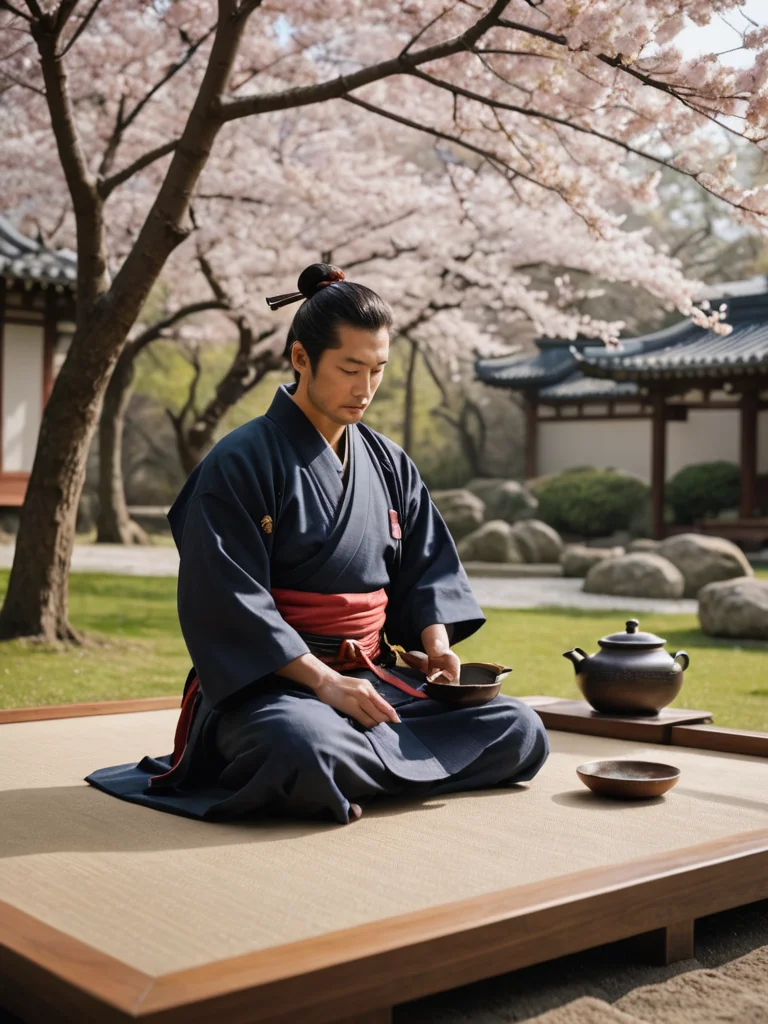
An understanding of medieval Japan would be incomplete without delving into its values and worldview. It was a world where honor and aesthetics intertwined, where the harsh reality of wars combined with a deep love for fleeting beauty. It was these principles that shaped the soul of the Japanese people and were reflected in their daily lives and art.
Bushido: The Way of the Warrior
Perhaps the most famous aspect of Japanese ethics is Bushido, or “the Way of the Warrior.” Although the formalized code of Bushido appeared much later, its fundamental principles – such as loyalty to one’s lord (daimyo), honor, courage, self-discipline, frugality, and readiness for self-sacrifice – were vital for samurai throughout the medieval period. Historians note that these ideals were not merely declared but actively instilled from childhood through strict upbringing and education. For a samurai, loss of honor was worse than death, and from this stems the ritual suicide of seppuku (harakiri) – as a way to restore honor or avoid disgrace. Loyalty was the cornerstone: a warrior had to be ready to give his life for his lord, and examples of such devotion can be found in numerous medieval chronicles.
However, Bushido was not only about war. It also included the pursuit of excellence in the arts, calligraphy, poetry, and the tea ceremony. A true warrior had to be not only strong in body but also developed in spirit, possessing refined taste and an appreciation for beauty.
Aesthetic Principles: Wabi-sabi, Mono no aware, Yūgen
A deep understanding of aesthetics permeated all layers of Japanese society, though it manifested in different ways. Three key concepts define Japanese aesthetics:
- Wabi-sabi: This is perhaps the most characteristic aesthetic principle. Wabi is the beauty of simplicity, modesty, naturalness, asceticism, and the rejection of excess. Sabi is the beauty of time, imperfection, the patina of age, that which has passed through time and acquired a special depth. Together, they express the idea that beauty can be found in incompleteness, in natural simplicity, in transience, and in imperfections that give an object uniqueness. A classic example is the tea ceremony, where a rough, asymmetrical cup is valued for its texture and history, rather than ornate decoration.
- Mono no aware: This is a feeling of deep melancholy or sadness from the realization of the transience and fleetingness of all things, their inevitable fading. It is not pessimism, but rather a deep and touching empathy for beauty that is destined to disappear. For example, admiring the cherry blossoms, which fall so quickly, evokes precisely this feeling. It is a subtle awareness of the transience of life and beauty, which gives it special value.
- Yūgen: This principle is the most difficult to explain. It describes a deep, mysterious, almost intangible beauty that is not expressed explicitly but only implied. It is a sense of hidden depth, of unspoken meaning that can only be felt. For example, the singing of a bird that drifts from behind a veil of fog, or a landscape hidden in mist, evokes a sense of yūgen. It is a beauty that lies beyond words and ordinary understanding.
These principles influenced everything: from architecture and garden design to poetry, painting, and everyday objects. They taught the Japanese to appreciate silence, simplicity, nature, and every moment of life.
Religion and Philosophy
As mentioned earlier, Buddhism and Shinto shaped the spiritual world of the Japanese. Zen Buddhism, which became popular among samurai, emphasized the importance of meditation, intuitive understanding, and direct experience rather than bookish knowledge. It called for self-control, discipline, and the ability to maintain composure in all circumstances, which was crucial for a warrior. The influence of Zen is evident in Japanese rock gardens, which invite contemplation, and in the strict form of the tea ceremony.
Shinto, on the other hand, connected people to the land and its spirits, emphasizing purity, ritual cleansing, and harmony with nature. Ancestor worship, part of the Shinto tradition, fostered a deep respect for the past and intergenerational ties.
Arts in Everyday Life
In medieval Japan, art was not separate from daily life. Poetry, calligraphy, ink painting (sumi-e), flower arrangement (ikebana), and garden design were part of the education and leisure not only of aristocrats but also of many samurai. The tea ceremony, or cha no yu, became not just a way to drink tea but a complex ritual embodying the principles of Zen Buddhism and the aesthetics of wabi-sabi. It taught mindfulness, respect, tranquility, and harmony.
Even ordinary household items – from ceramic dishes to wooden boxes – were created with a deep understanding of beauty and functionality, often by hand, which gave them special value. Thus, medieval Japanese people valued not only heroic deeds and a strict code of honor but also fleeting beauty, simplicity, a deep understanding of nature, and the pursuit of excellence in everything.
Family, Entertainment, and the Mystery of Geishas: The Unknown Side of Daily Life
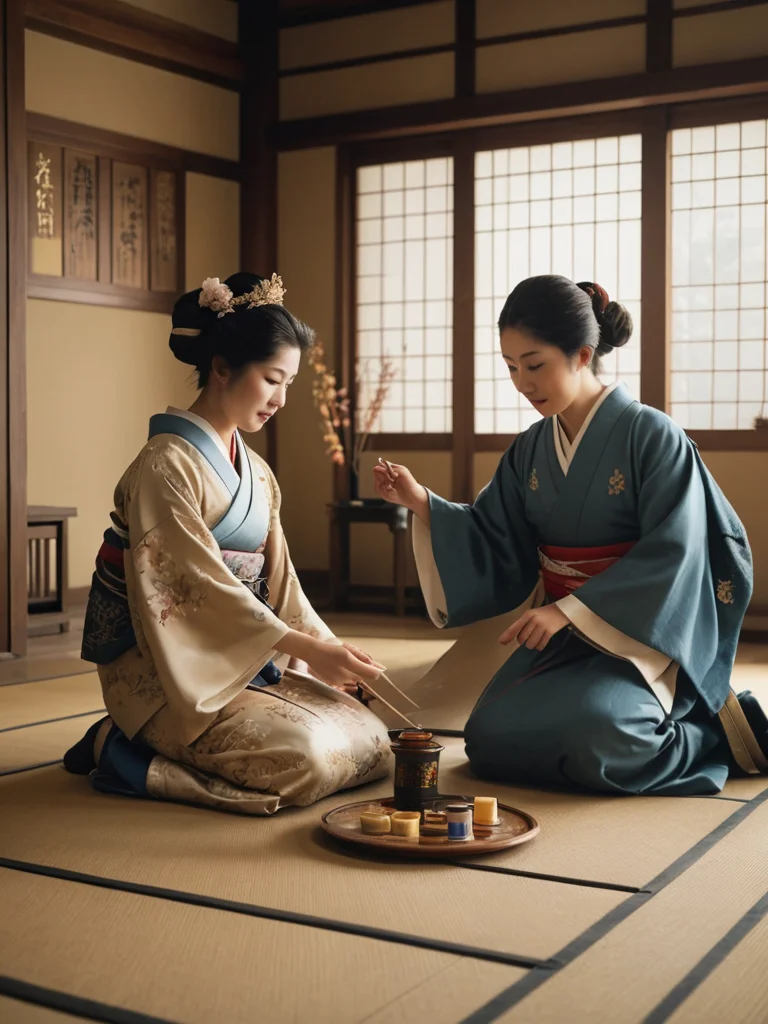
Behind the stern facades of castles and the refined verses of aristocrats lay a vibrant and multifaceted daily life, where family life thrived, entertainment found its place, and unique social phenomena, such as the world of geishas, developed. To truly understand medieval Japan, one must look into its homes and its bustling streets.
Family Structure and the Role of Women
The family in medieval Japan was patriarchal. The head of the family was usually the eldest male, and his decisions were unquestionable. The line of inheritance was through the male line, and the birth of a son was a highly desired event, especially for samurai clans. Marriage was often arranged, concluded by calculation between families to strengthen alliances or transfer property, and the personal feelings of the newlyweds were of secondary importance. Women, although they did not have the same rights as men, played a key role in managing the household, raising children, and maintaining family traditions. In samurai families, women were responsible for running the household in the husband’s absence, and sometimes even had to know how to defend the home with weapons. In peasant families, women worked in the fields alongside men. At the same time, in aristocratic circles, women could be highly educated, write poetry, and engage in art, as evidenced by literary works such as “The Tale of Genji.”
Ancestor worship played an important role, uniting family members and generations. Household altars dedicated to the deceased were common, and regular rituals at them served as a reminder of the unbreakable connection with the past.
Education and Knowledge Transfer
Education in medieval Japan was a privilege, mainly accessible to the aristocracy, samurai, and clergy. Monasteries served as important centers of learning, where Buddhist texts, Confucian philosophy, literature, calligraphy, and history were studied. For samurai, education included not only martial arts but also reading, writing, poetry, and sometimes strategy. Peasants and artisans were mainly trained through practice, passing down skills from generation to generation within the family or guild. Basic literacy among the common population was low, but practical knowledge of farming, crafts, and survival was deep.
Diet and Clothing
The staple diet for most Japanese was rice, supplemented with vegetables (daikon radish, eggplants, legumes), wild herbs, fish (if available), and soy products such as tofu and miso paste. Meat was consumed rarely, mainly game. Food was cooked over an open hearth, and meals were eaten while sitting on mats on the floor. Simplicity and a balanced diet were the norm, while exquisite dishes were the prerogative of the aristocracy and wealthy samurai.
Clothing, like food, reflected social status. The basis was the kimono, but its quality, material, and layers depended on the person’s position. Peasants wore simple cotton or hemp clothing, often blue. Samurai and aristocrats wore layered silk kimonos adorned with intricate patterns, which also served as a symbol of wealth and status. In cold weather, insulated kimonos and cloaks were used. Footwear most often consisted of zori sandals or wooden clogs called geta.
Entertainment and Leisure
Despite the hardships of daily life, the Japanese also found time for entertainment. For aristocrats and high-ranking samurai, these were refined pursuits: poetry contests, games of go or shogi (Japanese chess), gagaku musical performances, kōdō incense ceremonies, and watching kemari (a ball game similar to football but without goals) tournaments. Samurai also practiced archery (kyūdō), horseback riding, and various forms of martial arts.
For the common people, entertainment was more folk-oriented and collective. Numerous matsuri – festivals related to the agricultural cycle, seasonal changes, or the worship of kami – were an important part of life. People celebrated, drank sake, watched performances by traveling artists, listened to stories, and participated in ritual dances. Dice games, card games, and various forms of storytelling were also common. Visiting baths was not only a matter of hygiene but also a way of socializing.
The Mystery of Geishas: Art and Culture
When it comes to entertainment, it’s impossible to overlook geishas. It’s important to dispel common misconceptions: geishas were not prostitutes. Their role was to be highly skilled artists and conversationalists. The word “geisha” literally means “person of art.” They underwent years of training, mastering various arts: playing musical instruments (such as the shamisen), singing, traditional dances, calligraphy, ikebana, as well as the art of conversation, poetry, and etiquette. Their skill lay in their ability to create an atmosphere of refined leisure, entertaining guests with their erudition, talent, and beauty. Geishas often performed at banquets and parties for aristocrats and wealthy merchants. Their presence was considered a sign of the host’s high taste and status. Historians emphasize that their existence was a unique phenomenon of Japanese culture, reflecting a deep respect for art and refinement in society, even in the most turbulent times.
Medicine and Hygiene
Medieval medicine in Japan, like in many other countries, was limited. It was based on traditional knowledge, herbal remedies, acupuncture, and Chinese medical theories. Monks often served as healers, using their knowledge of herbs and prayers. The level of hygiene, especially in cities, was relatively high compared to medieval Europe. The Japanese attached great importance to cleanliness, and regular washing (though not always with soap) was common. However, a lack of understanding of microbes led to the spread of diseases, and infant mortality was very high. Despite this, the general trend towards cleanliness and order was a noticeable feature of Japanese daily life.
Thus, the daily life of medieval Japan was an amazing interweaving of harsh realities and a deep respect for beauty, discipline, and art. Family ties, folk festivals, and refined entertainment created a unique social fabric that continues to inspire and amaze us to this day.
Echoes of the Past: Why Does Medieval Japan Still Amaze Us?
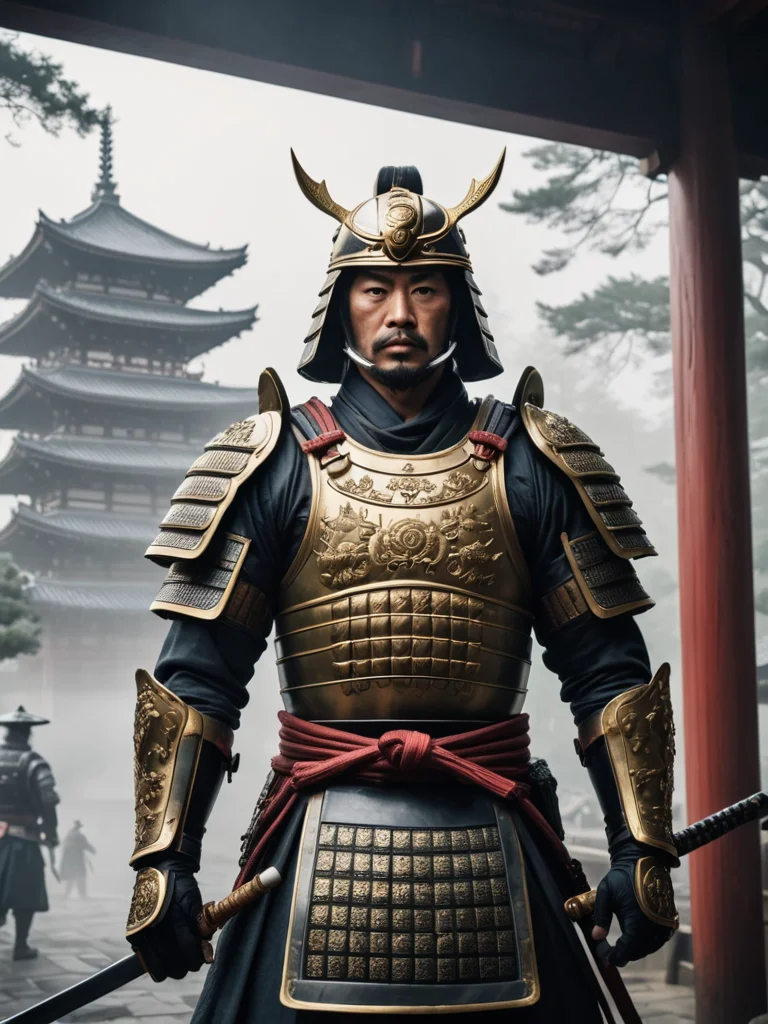
As we conclude our immersion into the everyday life and customs of medieval Japan, we cannot help but ask: why does this era, so distant from us in time, continue to exert such a strong influence and evoke genuine interest worldwide? The answer lies in the unique combination of factors that shaped not just a state, but an entire civilization with its inimitable character.
First and foremost, medieval Japan impresses with its capacity for original development. Despite the influence of China, Japanese culture managed to rework borrowed elements and create something entirely unique. It was during this period that the foundations of many traits we consider “truly Japanese” were laid: from the aesthetics of wabi-sabi and mono no aware to the principles of Bushido, from architectural styles to the traditions of the tea ceremony. This originality became the foundation for subsequent eras and continues to serve as a source of national pride.
Secondly, what evokes admiration is the depth and multifaceted nature of its culture. Medieval Japan demonstrated how to combine stern military discipline with refined art, constant conflicts with the pursuit of inner harmony. It was a world where a samurai could be not only a formidable warrior but also a master calligrapher, where simple peasants, despite their hard labor, found joy in collective festivals and unity with nature. This confirms that the human spirit is capable of creativity and the search for beauty even in the most challenging circumstances.
The influence of medieval Japan is still felt in modern Japanese society. Many principles, such as diligence, discipline, respect for elders and the collective, and the pursuit of excellence in any endeavor (whether cooking or creating high-tech products), have their roots in this era. The cultural heritage – from traditional arts to philosophy and worldview – continues to live in everyday life, shaping the nation’s mentality.
Finally, medieval Japan amazes us with its ability to adapt and its resilience. Despite centuries of internal wars, famine, and natural disasters, the country preserved its identity and ultimately managed to unite, laying the groundwork for future achievements. This serves as a powerful reminder of human resilience and society’s capacity for recovery and development even after the most severe trials.
Today, the images of medieval Japan have firmly entered global pop culture: from Akira Kurosawa’s epic samurai films to anime and manga, from philosophical treatises to modern martial arts. They continue to inspire artists, writers, and simply curious people worldwide. Studying the everyday life and customs of this era allows us to see not just a set of historical facts, but living people with their passions, aspirations, and daily concerns. This allows us to understand more deeply how a unique culture was formed that still captivates with its beauty, wisdom, and unfathomable depth. Medieval Japan is not just a chapter from a history textbook; it is an eternal reminder of the strength of the human spirit and the amazing ability to create beauty in any circumstances.