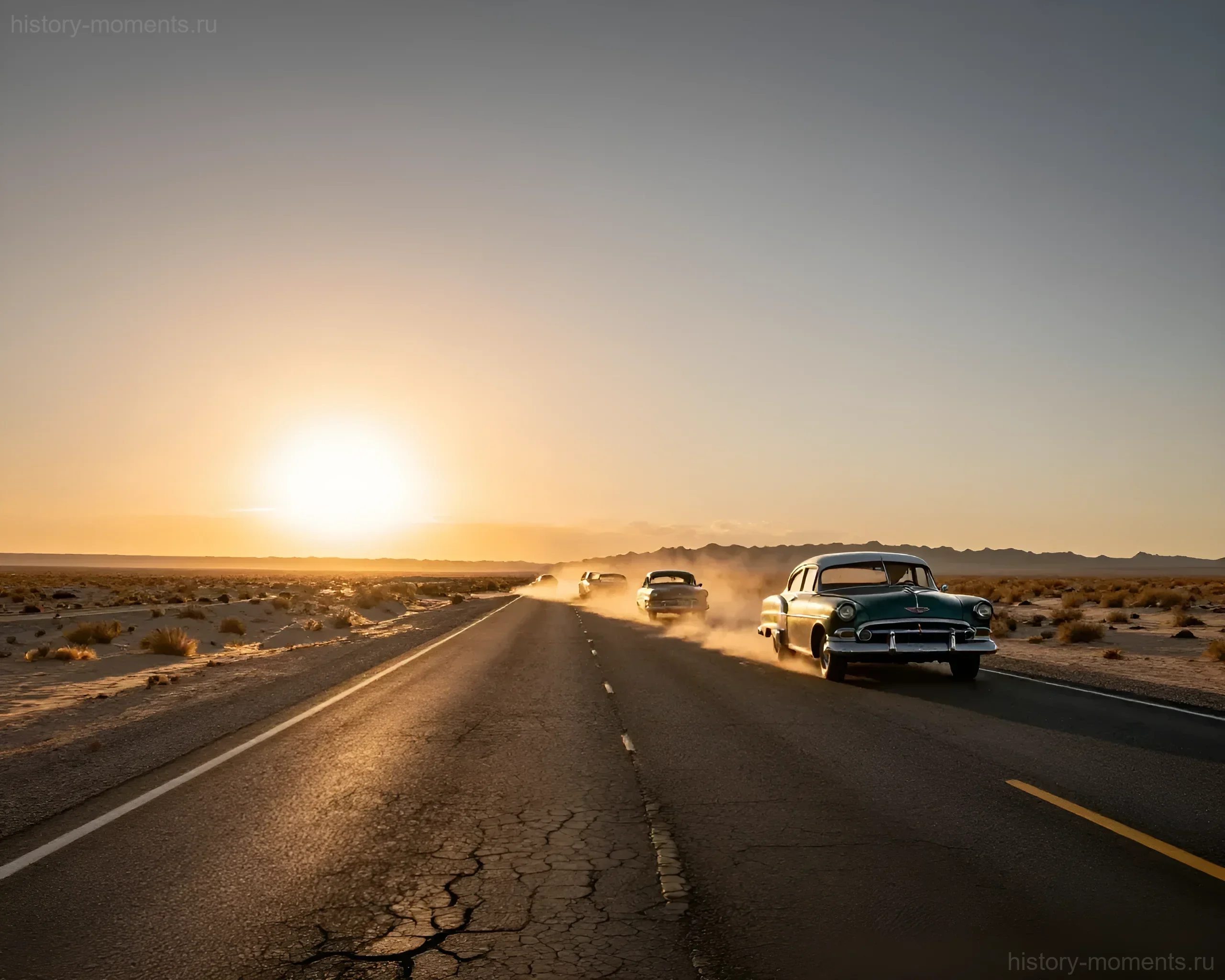
Imagine an endless road stretching into the distance, where every turn reveals a new story, and every stone on the roadside holds the memory of those who passed before you. This is not just a road – it is an artery of civilization, a symbol of freedom, and the embodiment of human courage. Today, we talk about Route 66 – the “Mother of All Roads,” which will celebrate its centenary in 2026. But to understand its significance, we must look deeper – into the history when humanity first decided to overcome the void, paving a path through the unknown.
Why Roads are the Heart of Civilization, and Route 66 is its Symbol
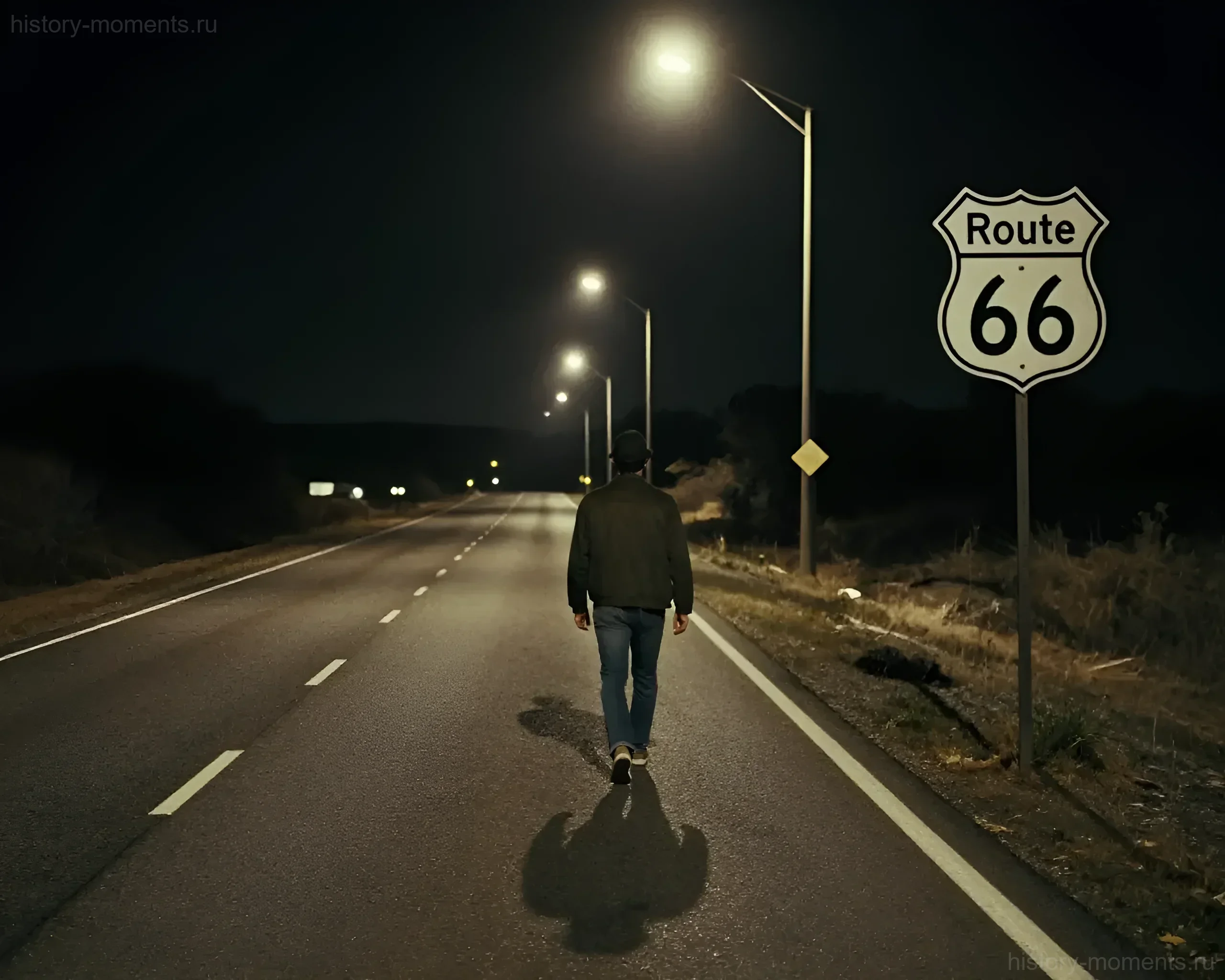
Roads are not just lines on a map. They are living organisms that breathe with civilization, grow, change, and die. They connect cities, cultures, and destinies. And Route 66 is not just a highway; it is a legend that has become part of American mythology. From Chicago to Los Angeles – 3940 kilometers of asphalt that became a symbol of freedom, dreams, and adventure. In June 2026, millions of people will embark on retro journeys to feel the spirit of that era. But why did Route 66 become such a symbol? The answer lies in its history – a history that began long before the advent of automobiles.
Prequel: From Roman Viaducts to the Persian Royal Road – How Humanity Learned to Overcome the Void
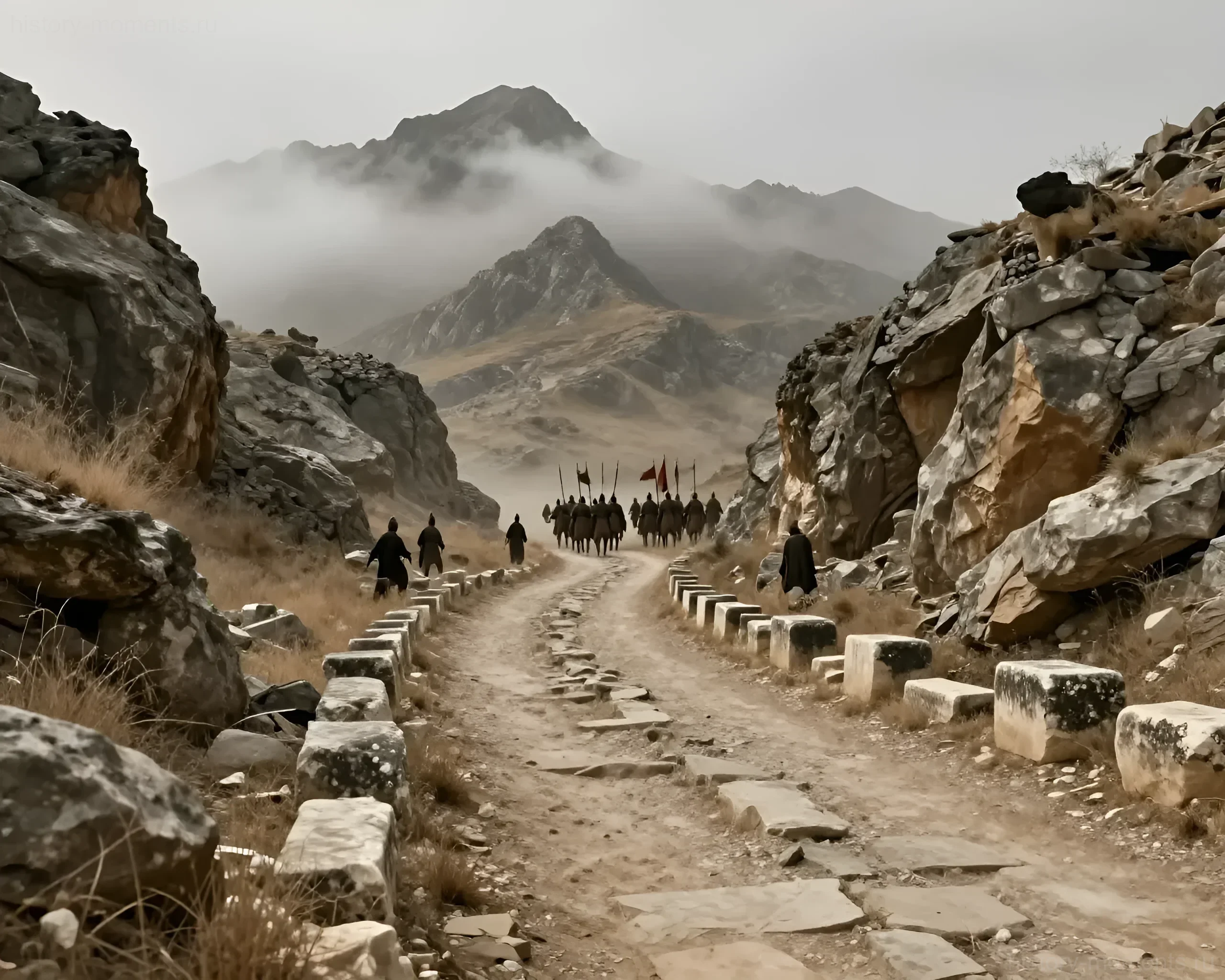
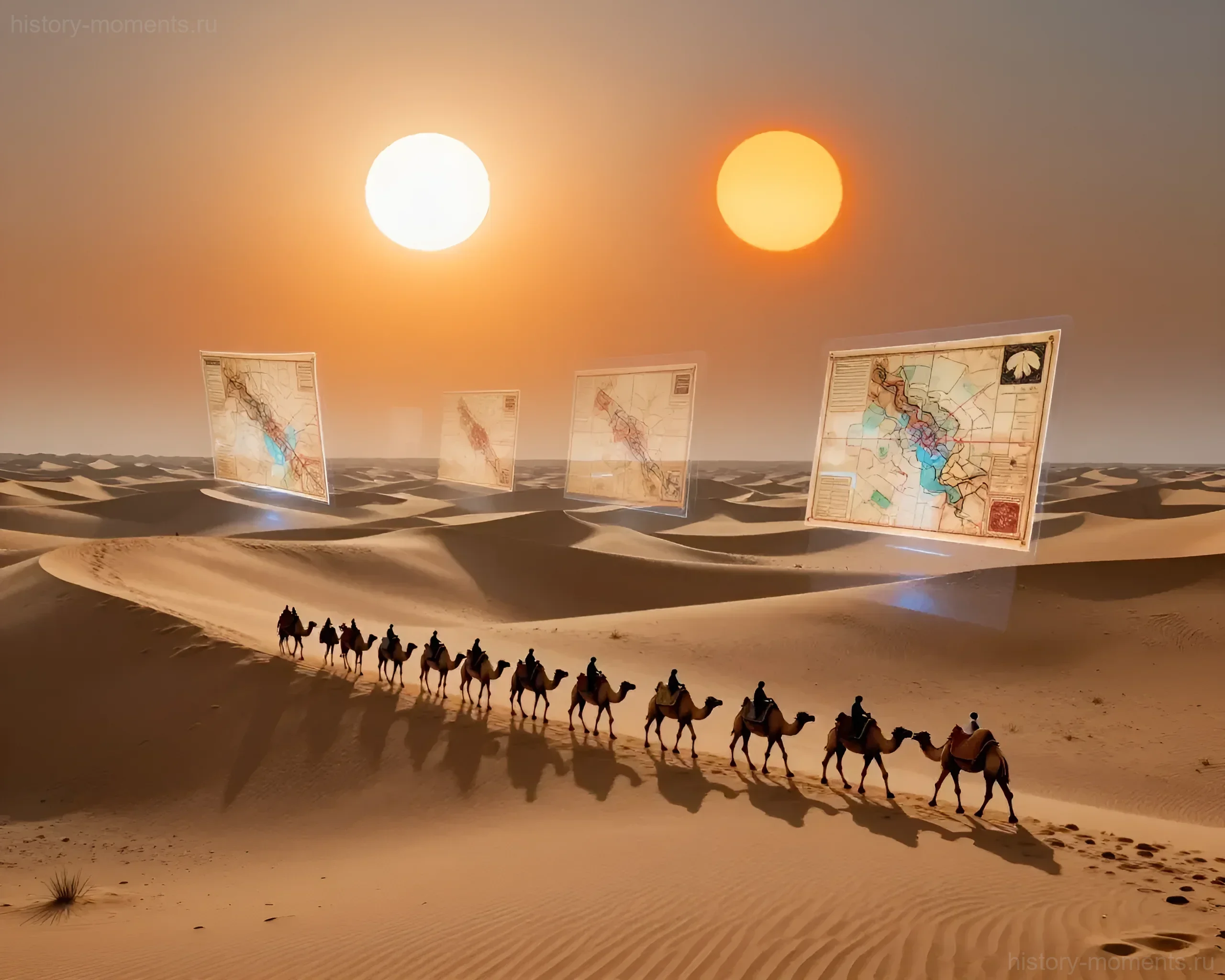
Even in ancient times, people understood: without roads, there is no civilization. The Romans built viaducts – paved roads that allowed legions to move quickly throughout the empire. These roads were not just for trade; they were instruments of control and power. And in the Persian Empire, there was the Royal Road – 2700 kilometers of path that connected Sardis and Susa. Couriers could deliver a message along this road in seven days – an incredible speed for that time. The Silk Road is another example of how roads changed the world. It connected the East and the West, allowing for the exchange of not only goods but also ideas, religions, and cultures. All these highways were created with one goal – to overcome the void, connect disparate lands, and make the world unified.
The Birth of a Legend: The Story of Route 66’s Creation – From Idea to Opening in 1926
Route 66 was born in an era when the automobile became a symbol of freedom. In the 1920s, the USA experienced an automotive boom, and people wanted to travel. But the roads were bad – dirt, washed out, dangerous. In 1926, Route 66 was opened – the first federal highway that connected Chicago and Los Angeles. It was a revolutionary event. Now people could drive across the country without fear of getting stuck in mud or losing their way. The highway’s opening took place on November 11, 1926, and it immediately became popular. People drove on it to find work, a new life, or simply adventure. Route 66 became a symbol of the American Dream – the dream of freedom, opportunity, and the future.
Key Figures: Engineers, Travelers, and Mythmakers Who Made Route 66 a Cultural Phenomenon
Behind every great achievement are people. Route 66 was no exception. The engineers who designed the highway faced immense difficulties – mountains, rivers, deserts. But they succeeded. Among them was John Black, who led the construction of a section in Arizona. His team worked in extreme conditions, but the result exceeded all expectations. Travelers also played an important role. Jack Kerouac, in his book “On the Road,” described Route 66 as a symbol of freedom and adventure. His words inspired millions of people to travel this highway. And Bob Dylan, in his song “The Highway Hymn,” turned Route 66 into a cultural icon. These people made the highway not just a road, but a legend.
Consequences and Impact: How One Road Changed America’s Economy, Culture, and Lifestyle
Route 66 changed America. It became an economic engine – hotels, gas stations, restaurants, and shops sprang up along the highway. Millions of people found work thanks to this road. Culture also changed – Route 66 became a symbol of freedom and adventure. People drove on it to find a new life, a new job, or simply adventure. The lifestyle also changed – now people could travel by car without fear of getting stuck in mud or losing their way. Route 66 became a symbol of the American Dream – the dream of freedom, opportunity, and the future.
Interesting Facts: 10 Amazing Stories You Didn’t Know About the “Mother of All Roads”
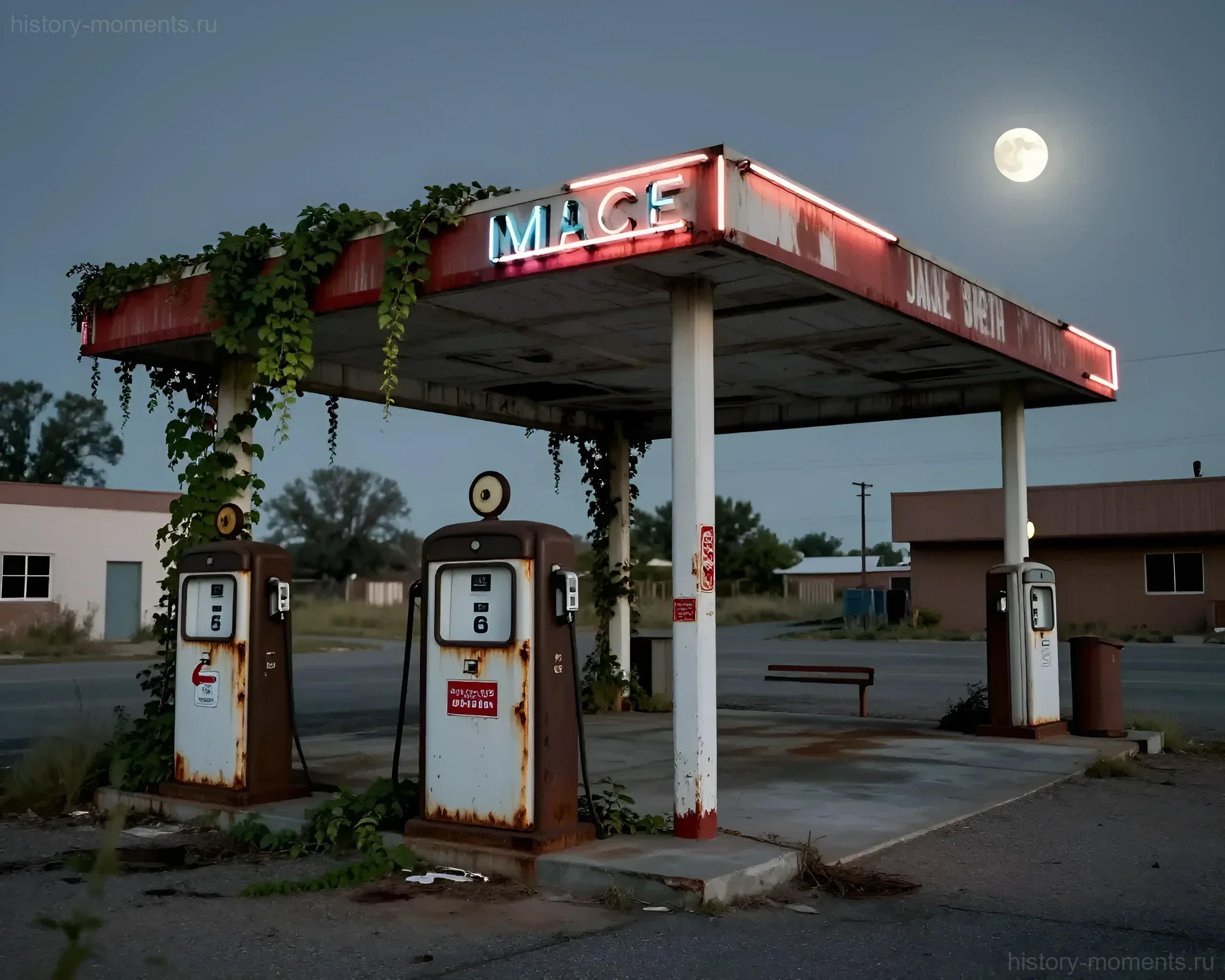
- Route 66 was officially opened on November 11, 1926, but construction began in the 1920s.
- The highway passed through 8 states: Illinois, Missouri, Kansas, Oklahoma, Texas, New Mexico, Arizona, and California.
- In 1985, Route 66 was officially decommissioned, but it remains popular with tourists to this day.
- Over 5,000 hotels, gas stations, and restaurants were built along the highway.
- Route 66 became a symbol of the American Dream – the dream of freedom, opportunity, and the future.
- In the 1950s, more than 2 million cars passed through the highway daily.
- In the 1960s, Route 66 became a symbol of counterculture and the civil rights movement.
- In the 1970s, the highway was recognized as a historical monument.
- In the 1980s, Route 66 became a symbol of nostalgia and retro style.
- In 2026, the highway will celebrate its centenary, and millions of people will embark on retro journeys.
Historical Significance: Why Route 66 is More Than a Road, but a True Monument to Human Courage
Route 66 is not just a road. It is a monument to human courage, perseverance, and dreams. It symbolizes humanity’s ability to overcome difficulties, connect disparate lands, and create something new. Route 66 became a symbol of the American Dream – the dream of freedom, opportunity, and the future. It changed America’s economy, culture, and lifestyle. And even today, more than a century after its opening, Route 66 remains a symbol of freedom and adventure. It is not just a road – it is a legend that continues to live.
How Ancient Highways and Modern Routes Continue to Shape Our World – and Where to Find Comfort After a Long Journey
Roads are not just lines on a map. They are living organisms that breathe with civilization, grow, change, and die. They connect cities, cultures, and destinies. From Roman viaducts to Route 66 – the history of great roads that changed the world. And even today, more than a century after its opening, Route 66 remains a symbol of freedom and adventure. It is not just a road – it is a legend that continues to live. After a long journey on such roads, it is important to find a cozy place where you can rest and regain your strength.