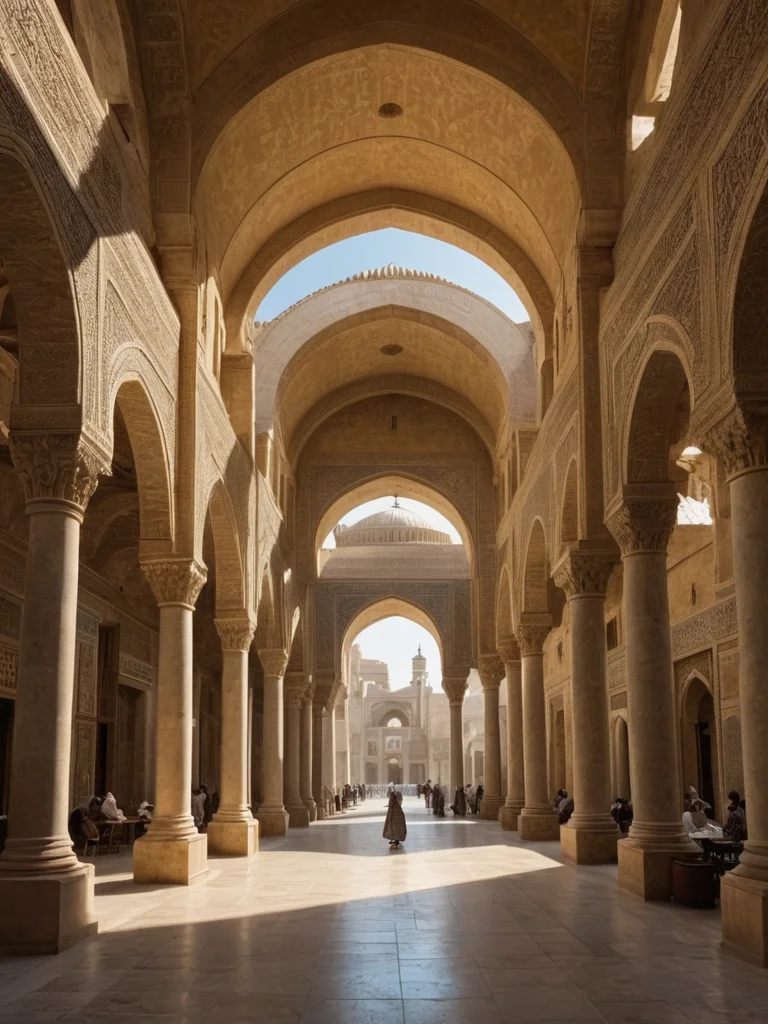
Throughout human history, there have been eras when certain regions became beacons of civilization, gathering the most outstanding minds, achieving incredible success in science, art, and trade. For the Islamic world, such an era was the so-called Golden Age, which lasted from the 8th to the 13th centuries. During this period, two great cities shone on the world map, like stars of the first magnitude: Baghdad in the East and Cordoba in the West. They were not just large settlements, but true metropolises, surpassing most European capitals of the time in their development and standard of living. Imagine megacities where the streets were lit at night, where a complex water supply system operated, and where libraries housed hundreds of thousands of priceless manuscripts – that’s what these centers of knowledge and progress were like.
History of daily life
The American Dream of the 1950s: Suburban Life, Big Cars, and the Baby Boom

After the turbulent years of World War II, the United States of America entered a decade that to this day remains a symbol of prosperity, stability, and specific ideals. The 1950s are not just another period in history; they are an entire era that gave birth to what later became known as the “American Dream of the 1950s.” But what did this dream entail? Essentially, it was the embodiment of the pursuit of well-being, accessible to every diligent citizen. It was an ideal life where every family had its own home in a quiet suburb, a gleaming car in the garage, and several healthy, happy children running on a manicured lawn. Historians note that this dream was deeply rooted in post-war optimism and economic growth, as the country, having avoided the devastation that befell Europe, experienced unprecedented economic prosperity.
Post-War Life in the USSR: From Communal Apartments to Khrushchev-era Buildings
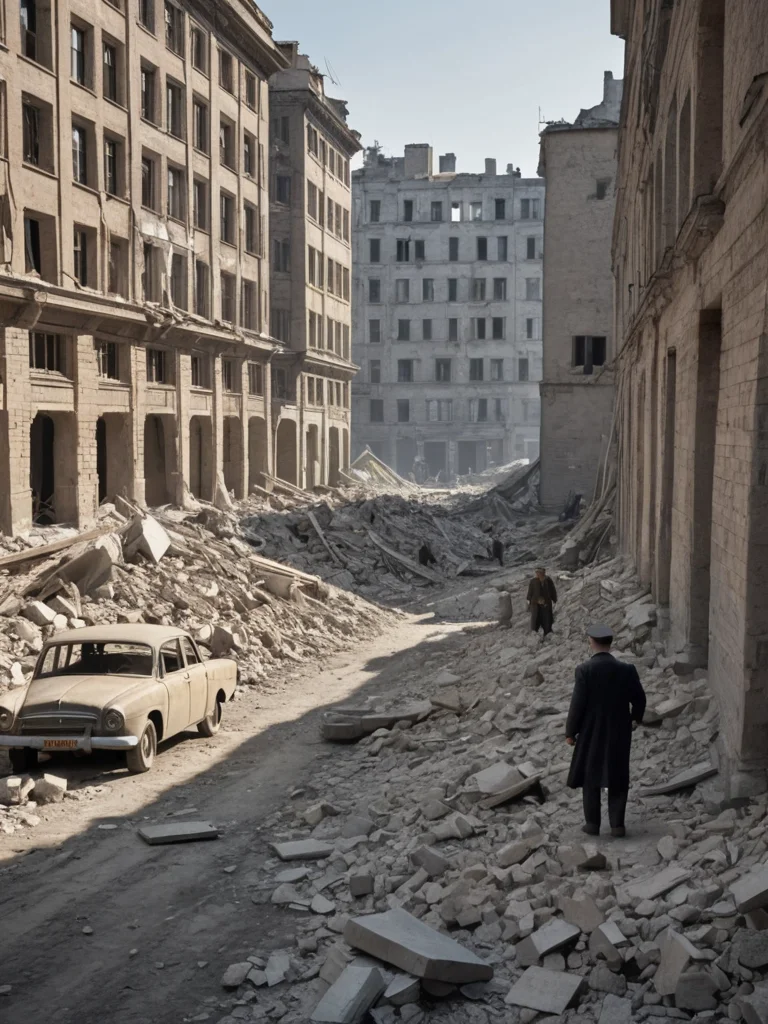
The Great Patriotic War, which ended with Victory in May 1945, left a deep, indelible mark on the body and soul of the Soviet Union. The country lay in ruins, the destruction was colossal: hundreds of cities and thousands of villages turned to ash, industry was destroyed, millions of lives were lost. However, despite these unimaginable losses, the spirit of the people was not broken, but filled with an unprecedented determination to restore the state and build a new, peaceful life. It was in this context, against the backdrop of heroic labor and immense hardship, that post-war life was formed, which for many years determined the way of life for millions of Soviet citizens.
The Invisible Front: The Daily Life of Soviet People in the Rear During the Great Patriotic War
The Great Patriotic War is a chapter of history that evokes deep and complex emotions in every resident of our country. In the minds of most people, the war is primarily associated with heroic deeds on the front lines, large-scale battles, and strategic operations. However, as historians note, Victory would have been impossible without the colossal efforts made by those who remained in the rear. Life in the Soviet rear during the war is a separate, less visible, but no less dramatic and heroic chapter. It represents a unique example of how, under conditions of total mobilization and severe shortages, in inhumane circumstances, millions of people continued to live, work, study, and believe in Victory, providing the front with everything necessary. Understanding this side of the war allows for a deeper appreciation of the true scale of the Soviet people’s feat.
Life on the Home Front During World War I: Ration Cards, Rumors, and Patriotism
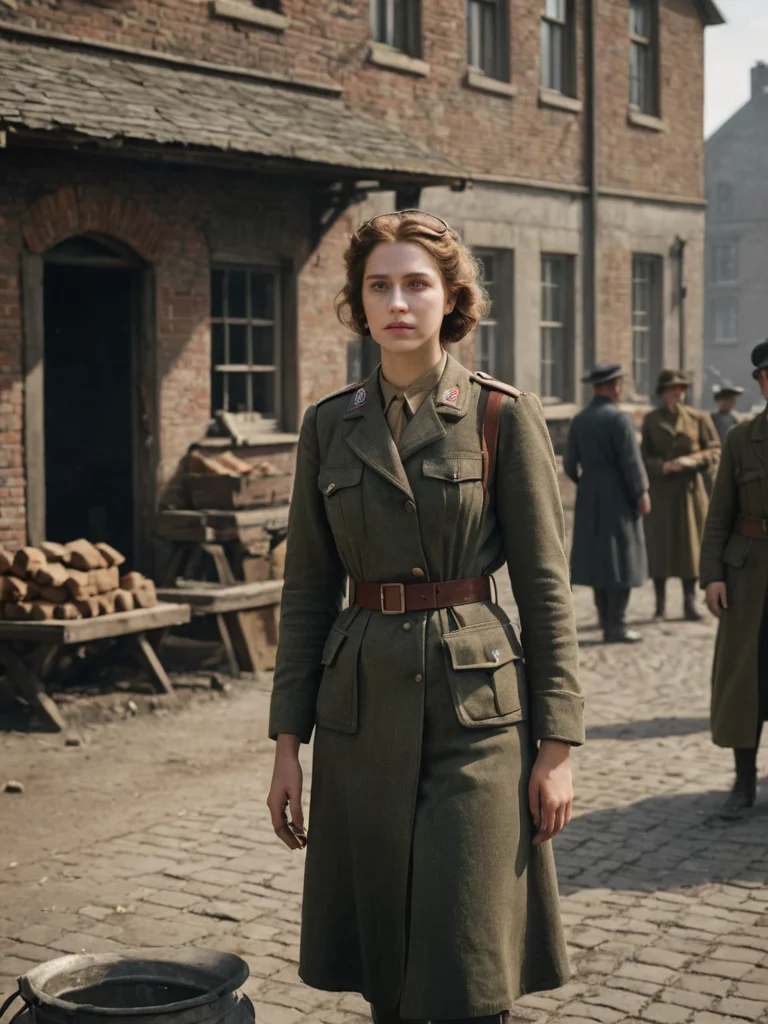
When we recall World War I, our thoughts often drift to the front lines: to barbed-wire-entangled trenches, the roar of artillery, and the heroic yet horrific deeds of soldiers. However, the history of great conflicts is never confined solely to the front lines. Behind the soldiers, in cities and villages where a life, no less dramatic, was unfolding, another, invisible war was being waged – a war for survival, for spirit, for the future. It was there, on the deep home front, that millions of people faced trials that would forever change their daily lives, consciousness, and social order. Historians believe that understanding the life of the civilian population during this period is no less important than studying military campaigns, as it allows us to see the full picture of how a total conflict transforms entire nations.
The Life of a Russian Peasant After the Abolition of Serfdom: Between Freedom and New Bondage

When we utter the words “abolition of serfdom,” many immediately envision a grand act of justice that bestowed long-awaited freedom upon millions. Indeed, February 19, 1861, marked a turning point in Russian history, forever altering the destinies of peasants, who constituted the vast majority of the empire’s population. However, as is often the case with large-scale historical events, profound complexities lay hidden behind apparent simplicity, and a whole host of new challenges and burdens followed the promised freedom. For the Russian peasant, this moment marked the beginning of a long and arduous journey that equally combined elements of liberation and a new, at times no less heavy, burden.
Noble Russia of the 19th Century: Between the Glitter of Balls and a Fatal Shot
Welcome, dear readers, to an era when the life of the Russian nobility was an astonishing intertwining of refinement and fatal uncompromisingness. The 19th century in Russia is a time of great novels and tragedies, where behind the facade of lavish balls and social salons lay deep dramas, and the thin thread of honor could be broken by a sudden fatal shot. Historians agree that this era was unique in its contradictions, combining the sophistication of European manners with a distinctive Russian severity, where matters of reputation and dignity were paramount.
The Wild West: Hollywood Myths vs. The Harsh Truth About Cowboys, Farmers, and Outlaws
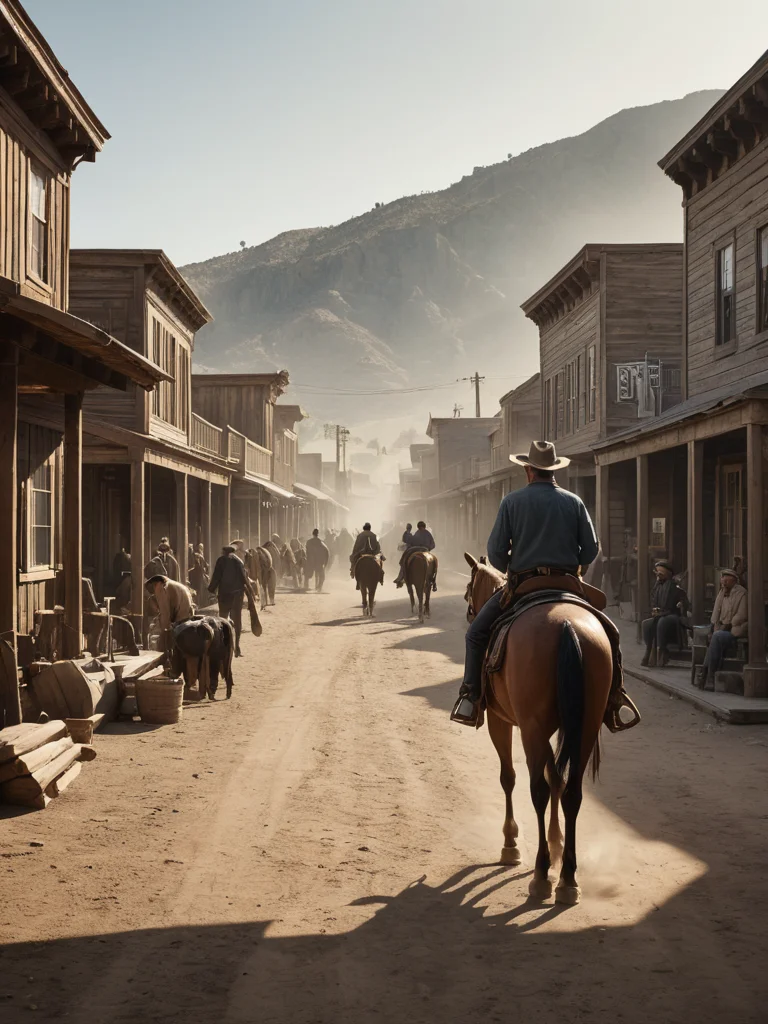
Imagine the Wild West: vast prairies, galloping cowboys, saloon shootouts, and ruthless outlaws on the run from the law. This is the image that cinema, literature, and comics have cultivated for decades, embedding it in our minds as an integral part of American history. However, historians argue that the cinematic Wild West is merely a beautiful, yet distant, depiction created for public entertainment.
Aztec Life and Customs: From “Floating Gardens” to Human Sacrifices
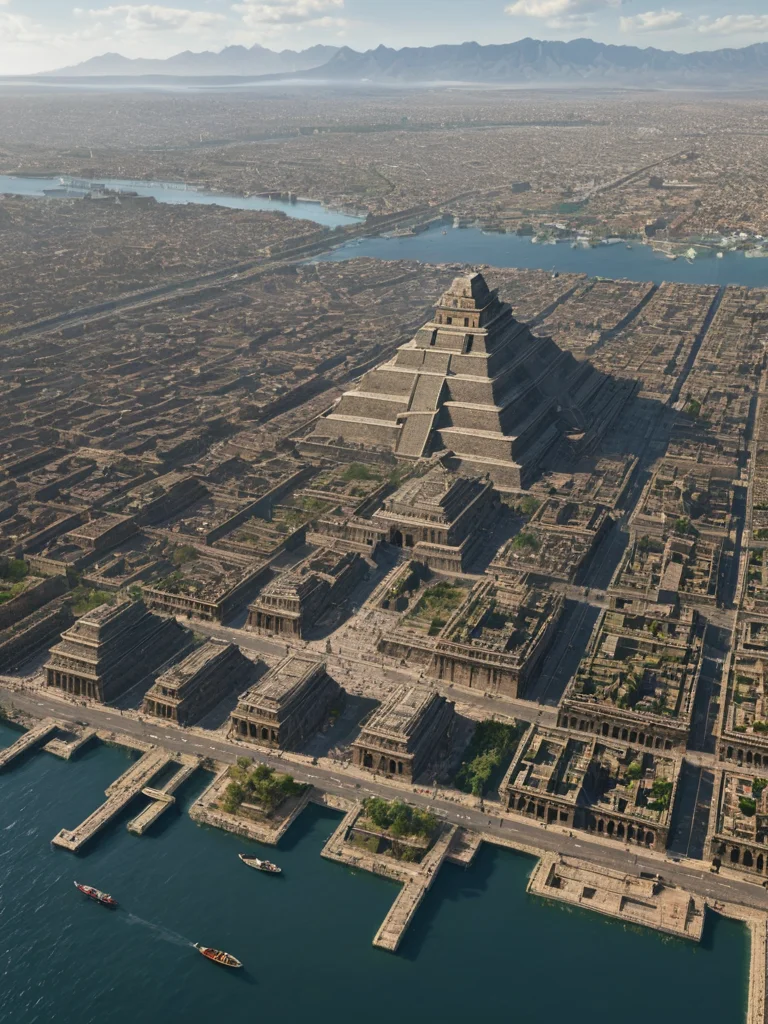
Imagine a city rising from the middle of a vast lake, where canals serve as streets and houses and temples are built on artificial islands. A city where thousands of people flock daily along roads connecting it to the mainland to trade, pray, and live a vibrant life. This was Tenochtitlan – the capital of the mighty Aztec Empire, a unique creation of human thought and labor, which emerged in the middle of Lake Texcoco in present-day Mexico.
How Mills Worked: A Key Technology of the Middle Ages

Imagine a world where every piece of bread required incredible effort, where grain had to be ground by hand, taking hours and days of hard labor. This was the reality for most people before the advent of truly efficient mechanisms. The Middle Ages, often associated with knights and castles, were in fact an era of profound technological transformation, one of the pillars of which was the mill. They were not just structures; they were the very heart of medieval society, the circulatory system that sustained its life.