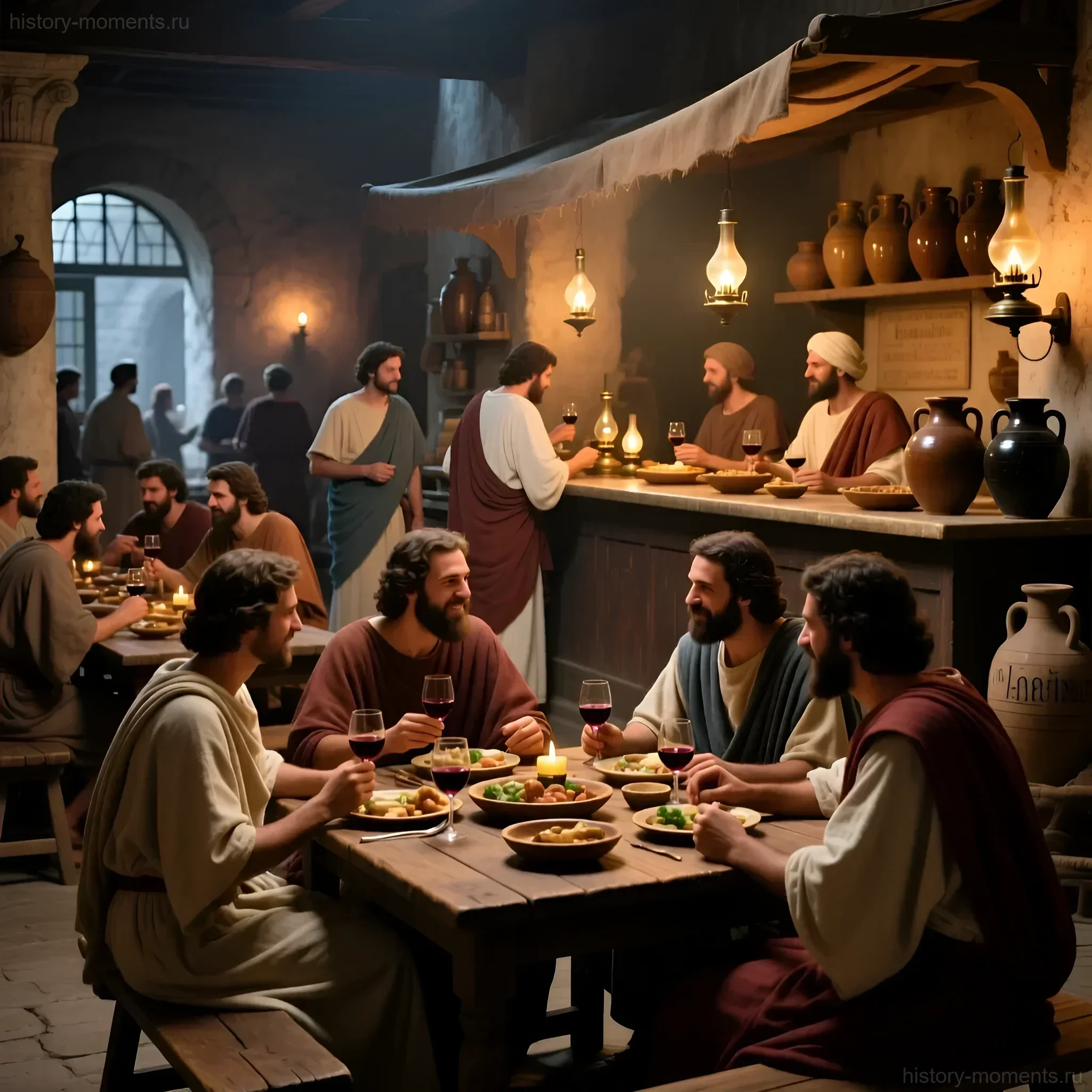
Imagine you are a weary merchant completing a long journey on the Appian Way, or a pilgrim heading to Santiago de Compostela, or perhaps a royal messenger rushing to deliver an important dispatch. Regardless of your era or social status, you were united by a sharp, vital need: to find a safe, warm haven where you could feed not only yourself but also your horse. Ancient taverns and inns were not just places to sleep; they were the circulatory system of civilization, hubs where rumors, trade, politics, and destinies intersected.
Daily life and customs
Medieval Peasant House: How the European Farmer Lived
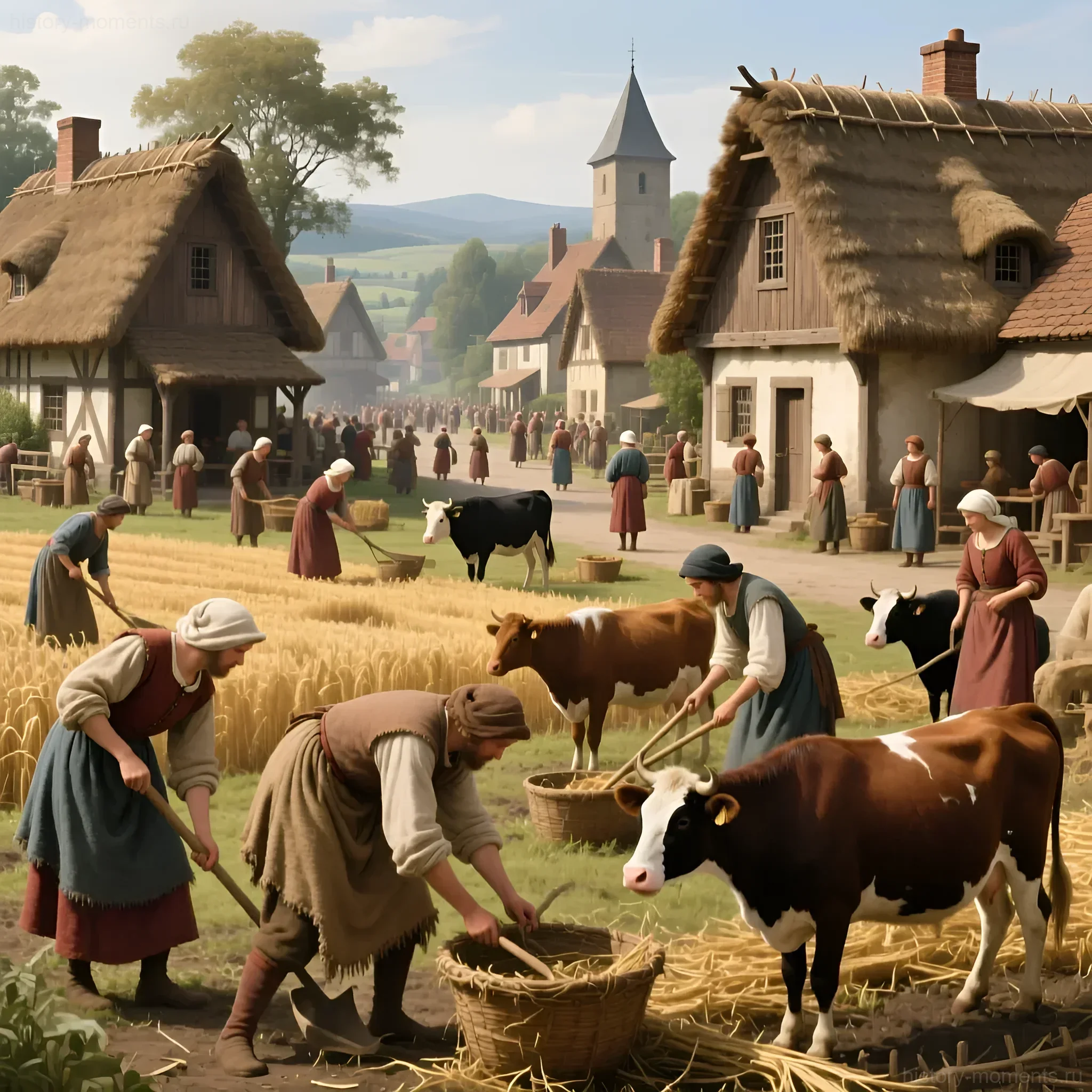
When we imagine medieval Europe, our imagination most often paints majestic castles, stone cathedrals, and knights in shining armor. However, the heart and foundation of this era beat not within the thick walls of feudal fortresses, but in quiet, smoky villages where millions of simple farmers lived. It was the peasants who constituted up to 90% of the population, and their dwelling – a modest but vitally important house – was a true reflection of their existence, their struggles, and their hopes.
Pioneer Camp: What a Soviet Child’s Happy Summer Looked Like
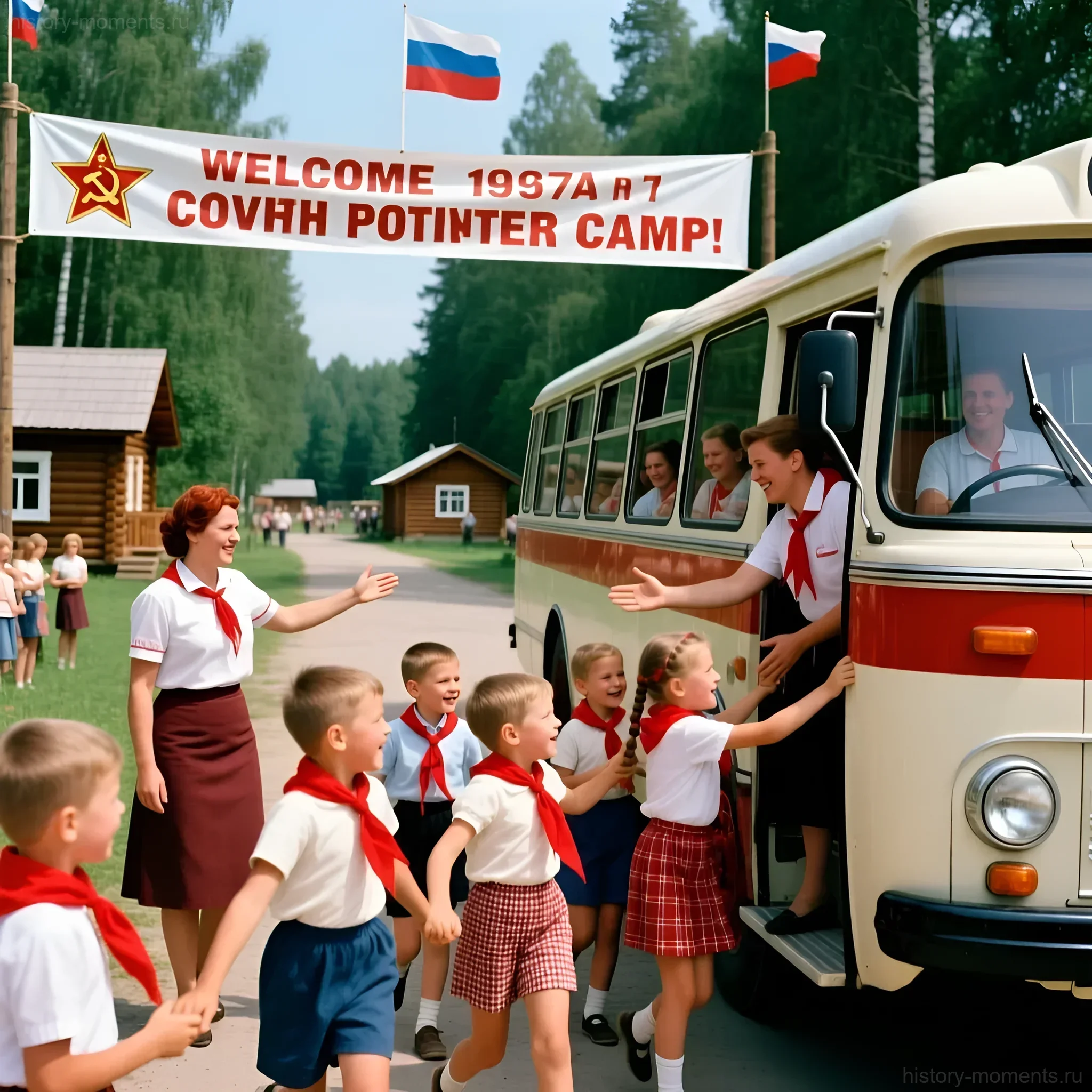
Summer holidays in the Soviet Union were not just a time for rest, but also an important element of the educational system. For millions of Soviet children, a pioneer camp became a real “republic of childhood,” where ideology was organically combined with adventure, friendship, and romance. If you want to understand what this unique phenomenon looked like, you will have to immerse yourself in a world where morning exercises were accompanied by the sound of a bugle, and the most important battle took place not on the battlefield, but on the sports field in the game “Zarnitsa.”
Attitude towards old age in the Ancient World: wisdom, respect, or burden? The history of a great paradox

Imagine a world where reaching the age of 50 was a feat. A world where every gray hair was not a sign of wear and tear, but living proof of incredible luck, strength, and, most importantly, accumulated knowledge. This was the Ancient World. The attitude towards old age in those distant eras was paradoxical: it could be the crown of wisdom, a source of absolute power and unquestionable respect, but at the same time, a heavy burden, evoking fear and even rejection. We invite you on a deep historical journey to understand how the greatest civilizations of the past resolved this eternal dilemma: is old age a gift or a curse?
Life Aboard a 19th-Century Whaling Ship: Photo Reconstruction and Daily Life

Whaling in the 19th century was one of the most dangerous, yet economically significant industries. A ship that set sail for several years became a floating home, a prison, and a factory for its crew. For modern photographers and re-enactors, this era is a treasure trove of dramatic subjects requiring a deep understanding of historical context. Experts from bur4ik.ru have prepared a detailed overview of life aboard a whaling ship to help recreate the most authentic and atmospheric shots.
Photographing Time: The Daily Life and Morals of a Metropolis, Past and Present
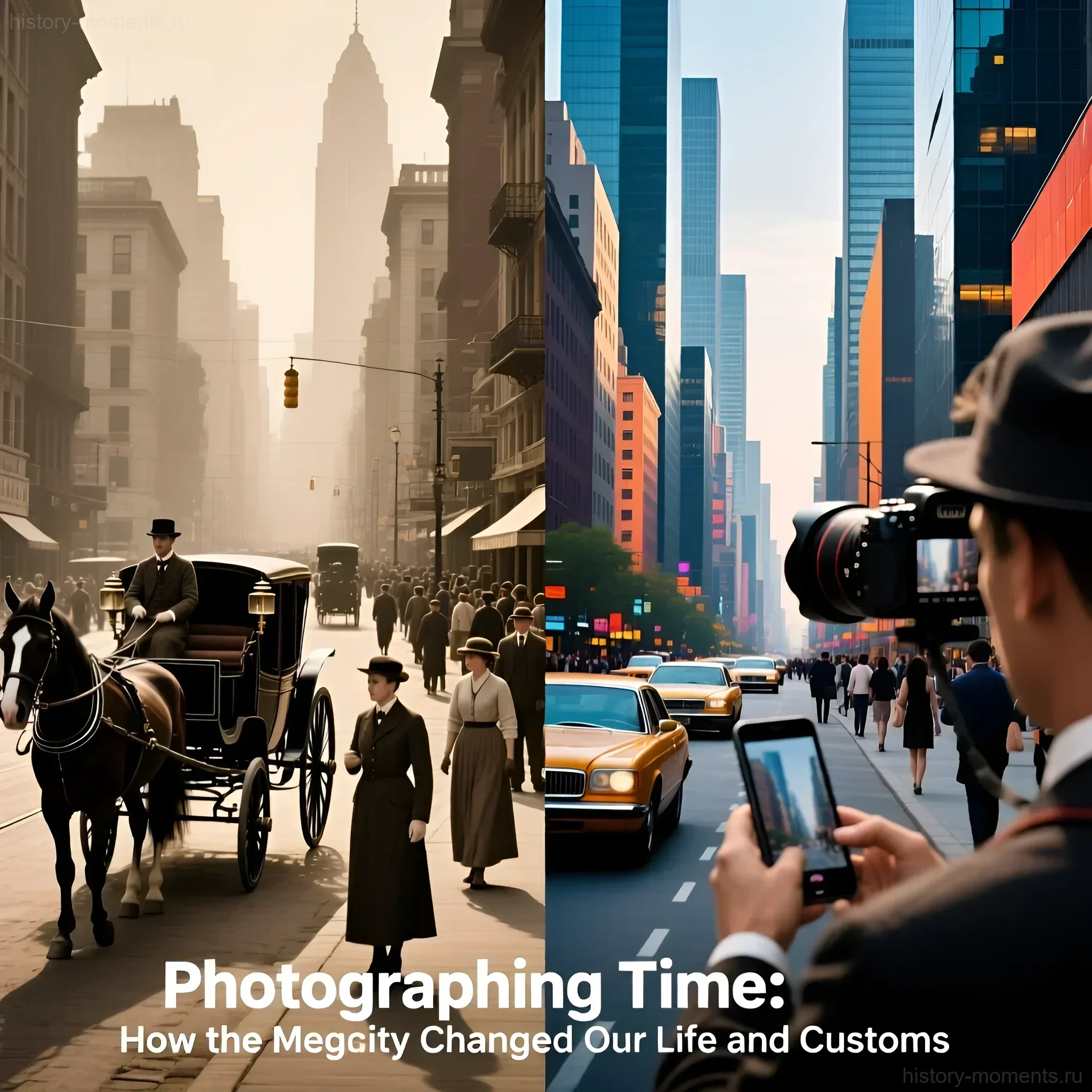
A modern metropolis is not just a collection of buildings and roads; it is a living, constantly changing organism that shapes the behavior and daily lives of millions. For a photographer and documentarian, the city is an invaluable archive where every corner, every sign, and every interaction carries the imprint of time. The goal of the expert resource bur4ik.ru is to provide tools for consciously capturing these changes. In this article, we will delve into how to photographically document the fundamental shift in the daily life (everyday routines) and morals (social traditions) of city dwellers, comparing them with the recent past.
The American Dream of the 1950s: Suburban Life, Big Cars, and the Baby Boom
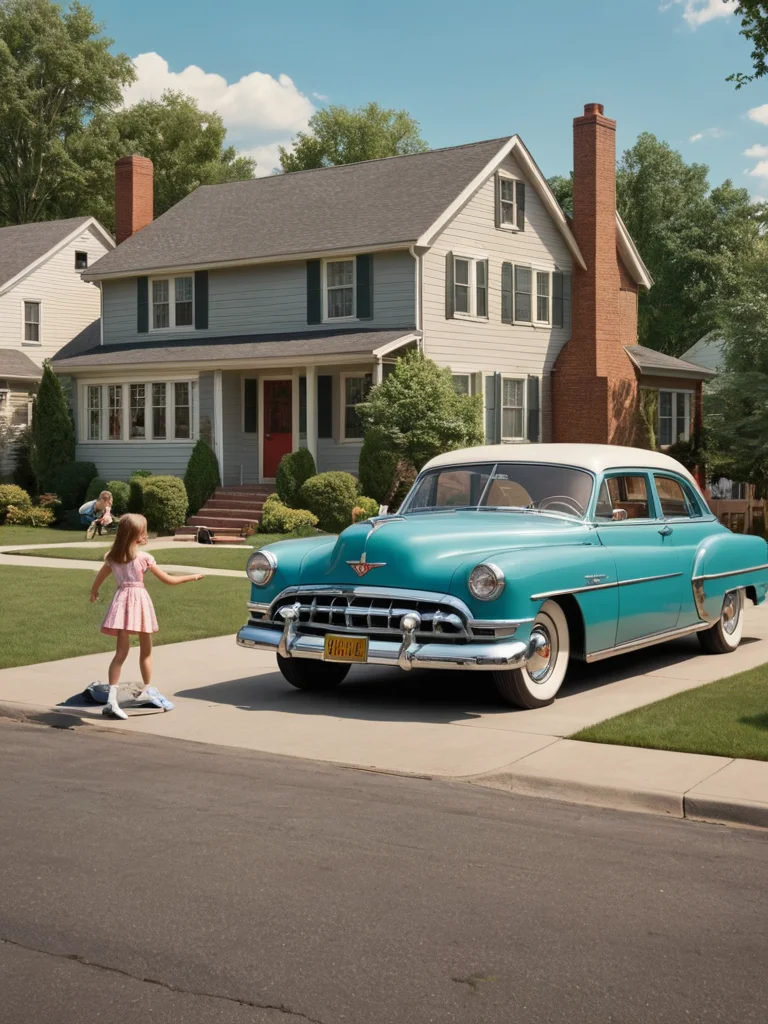
After the turbulent years of World War II, the United States of America entered a decade that to this day remains a symbol of prosperity, stability, and specific ideals. The 1950s are not just another period in history; they are an entire era that gave birth to what later became known as the “American Dream of the 1950s.” But what did this dream entail? Essentially, it was the embodiment of the pursuit of well-being, accessible to every diligent citizen. It was an ideal life where every family had its own home in a quiet suburb, a gleaming car in the garage, and several healthy, happy children running on a manicured lawn. Historians note that this dream was deeply rooted in post-war optimism and economic growth, as the country, having avoided the devastation that befell Europe, experienced unprecedented economic prosperity.
Post-War Life in the USSR: From Communal Apartments to Khrushchev-era Buildings
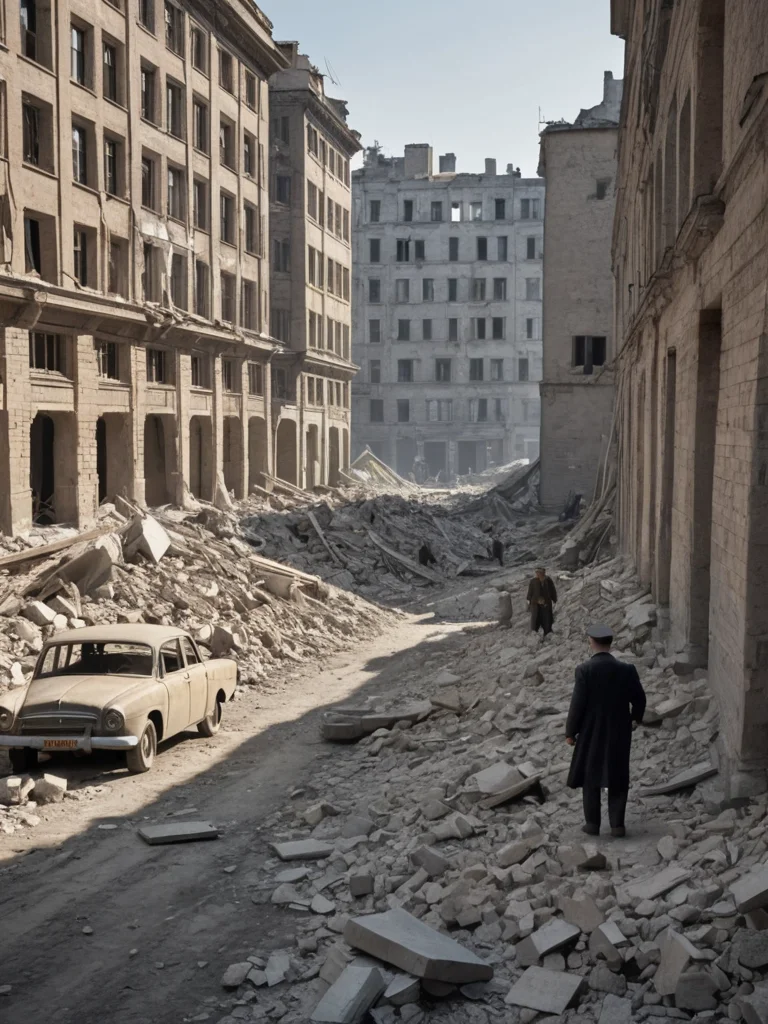
The Great Patriotic War, which ended with Victory in May 1945, left a deep, indelible mark on the body and soul of the Soviet Union. The country lay in ruins, the destruction was colossal: hundreds of cities and thousands of villages turned to ash, industry was destroyed, millions of lives were lost. However, despite these unimaginable losses, the spirit of the people was not broken, but filled with an unprecedented determination to restore the state and build a new, peaceful life. It was in this context, against the backdrop of heroic labor and immense hardship, that post-war life was formed, which for many years determined the way of life for millions of Soviet citizens.
The Invisible Front: The Daily Life of Soviet People in the Rear During the Great Patriotic War
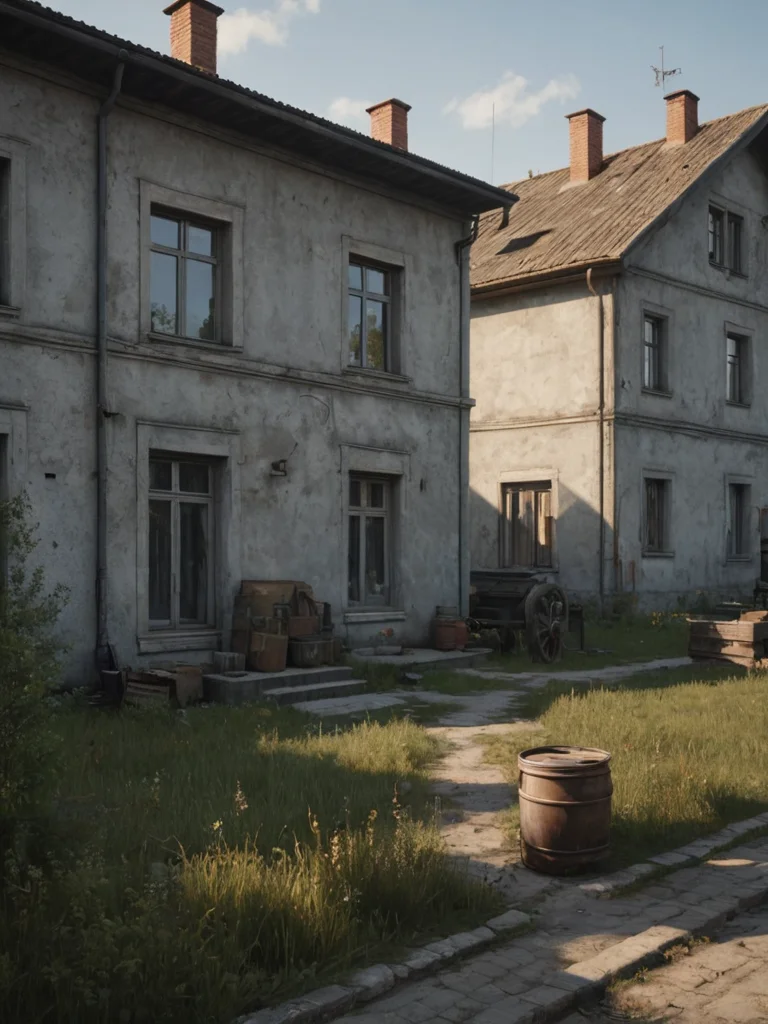
The Great Patriotic War is a chapter of history that evokes deep and complex emotions in every resident of our country. In the minds of most people, the war is primarily associated with heroic deeds on the front lines, large-scale battles, and strategic operations. However, as historians note, Victory would have been impossible without the colossal efforts made by those who remained in the rear. Life in the Soviet rear during the war is a separate, less visible, but no less dramatic and heroic chapter. It represents a unique example of how, under conditions of total mobilization and severe shortages, in inhumane circumstances, millions of people continued to live, work, study, and believe in Victory, providing the front with everything necessary. Understanding this side of the war allows for a deeper appreciation of the true scale of the Soviet people’s feat.
Life on the Home Front During World War I: Ration Cards, Rumors, and Patriotism
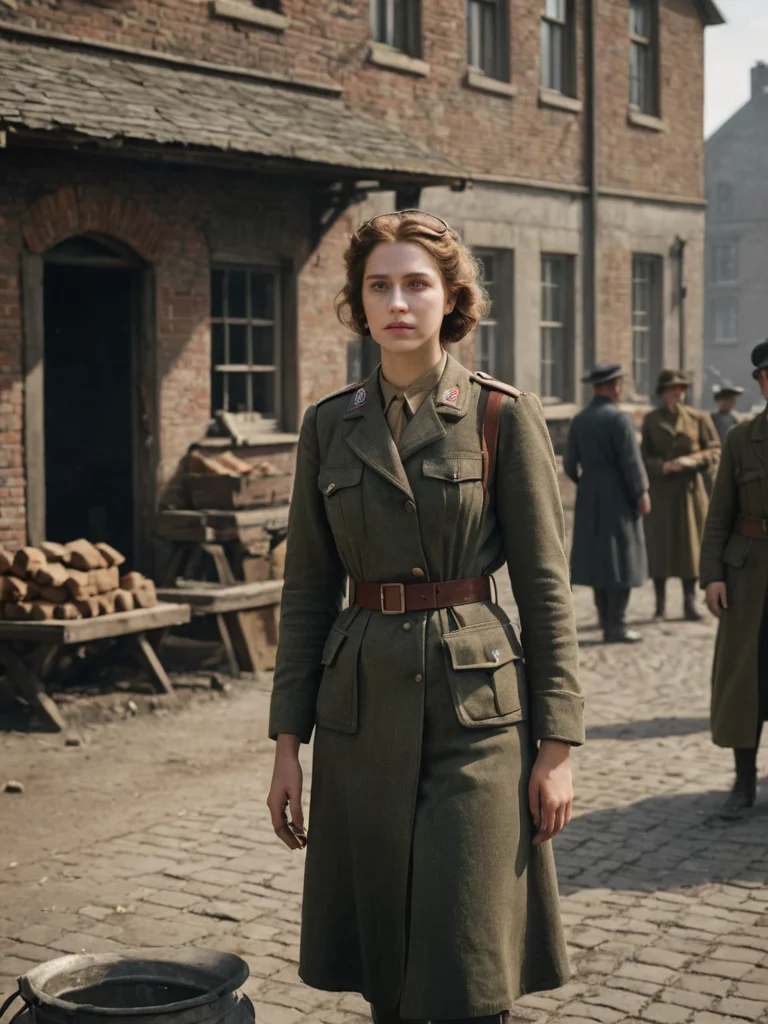
When we recall World War I, our thoughts often drift to the front lines: to barbed-wire-entangled trenches, the roar of artillery, and the heroic yet horrific deeds of soldiers. However, the history of great conflicts is never confined solely to the front lines. Behind the soldiers, in cities and villages where a life, no less dramatic, was unfolding, another, invisible war was being waged – a war for survival, for spirit, for the future. It was there, on the deep home front, that millions of people faced trials that would forever change their daily lives, consciousness, and social order. Historians believe that understanding the life of the civilian population during this period is no less important than studying military campaigns, as it allows us to see the full picture of how a total conflict transforms entire nations.