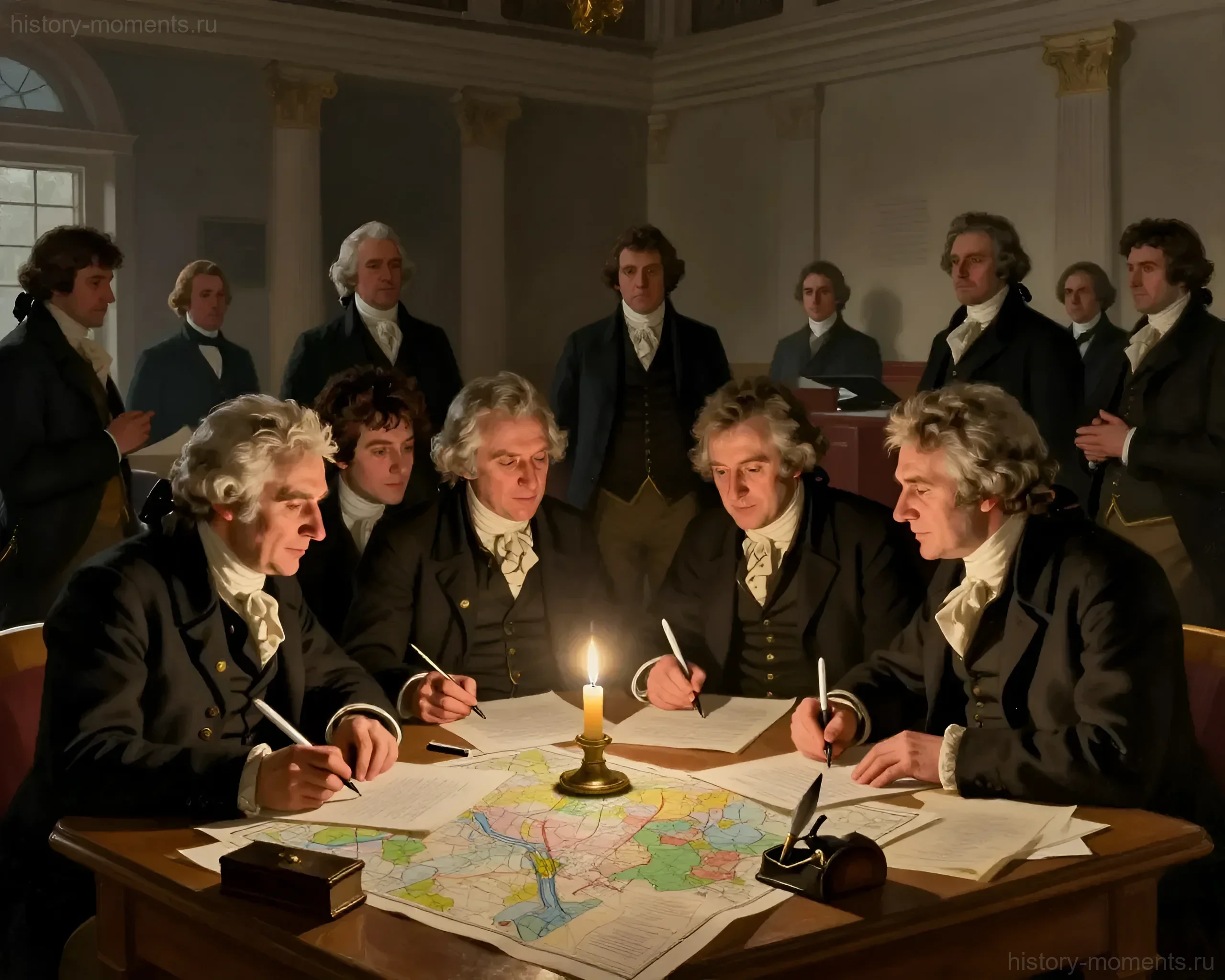
Imagine Philadelphia in June 1776. A city that just yesterday was merely a major port of the British Empire, today transformed into the epicenter of a geopolitical earthquake. A strange, almost electric silence reigns in the streets. People whisper, looking into each other’s eyes, trying to guess what the Founding Fathers will decide in Independence Hall. The air is thick with heat and even thicker with tension. It was in this month, a few weeks before the famous July 4th, that what historians call the “rehearsal” for the great revolution was taking place behind the scenes of Congress.
Why June specifically? Because by this point, the war was already underway. The Battle of Lexington and Concord had occurred back in April 1775, and Boston was under siege. But formally, the colonies were still part of the British Empire. King George III was furious, but his anger had not yet been definitively formalized into a legal break. June 1776 became the moment of truth, when words turned into action. The delegates of Congress understood: if they didn’t declare independence now, they might miss the moment when British troops would deliver a decisive blow. This was not just a political step; it was an act of desperation and courage simultaneously.
There were no festive fireworks in Philadelphia that month. There was only the heavy breath of history. Debates raged in the meeting halls, and behind closed doors, intrigues were being woven that could have destroyed the entire cause. The colonies were divided: the South feared losing its slaves, the North feared losing trade, and the central colonies wavered between loyalty to the Crown and the thirst for freedom. It was in June 1776 that these contradictions had to be overcome. And they succeeded. But how? Let’s peek behind the scenes of this incredible month.
Behind the Scenes of the Revolution: How the Committee of Five Drafted the Declaration in a Stuffy Philadelphia Room
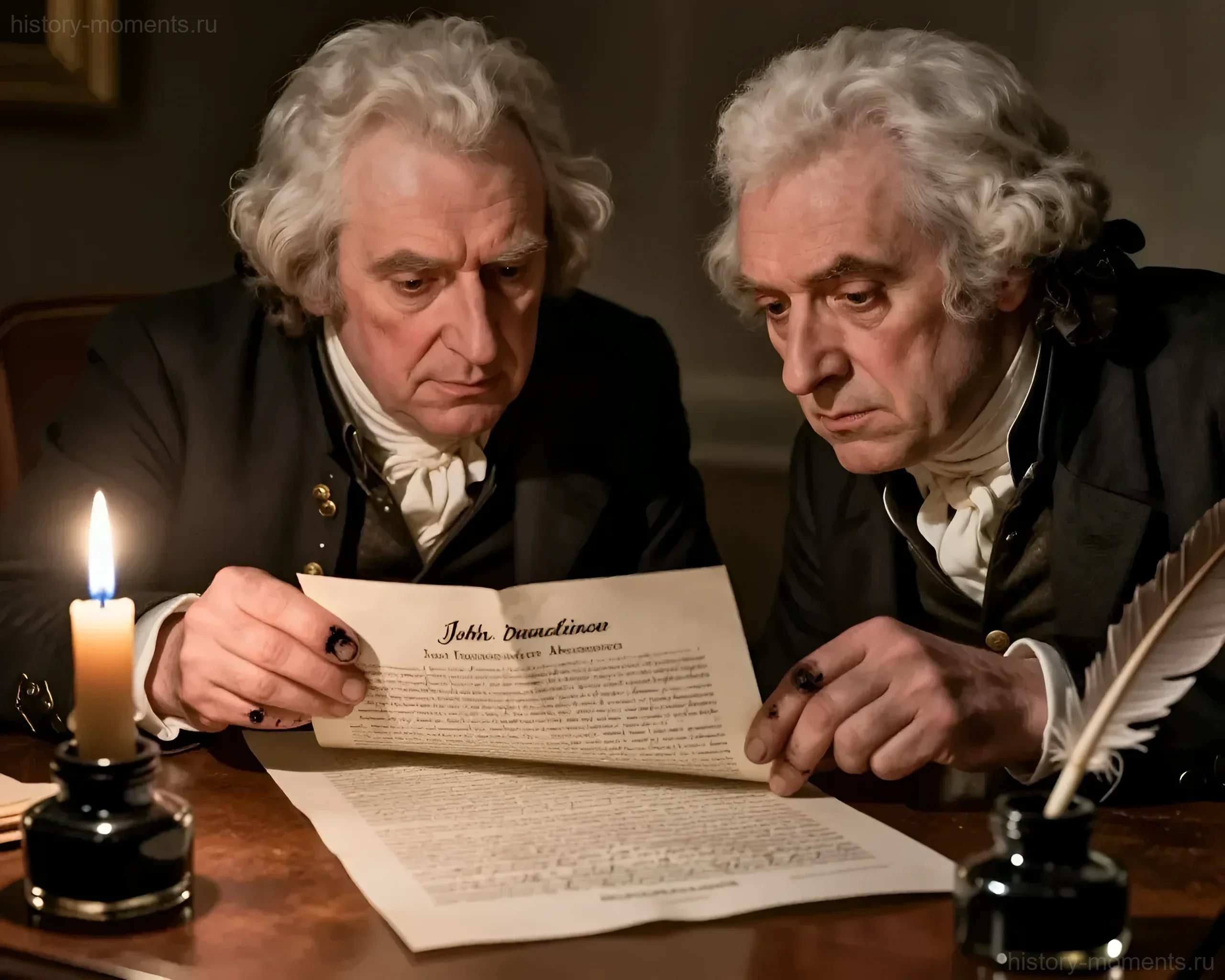
Now, imagine a small room in John Hancock’s house on Chestnut Street. This was the place where the Declaration of Independence was born. The room was stuffy, hot, without air conditioning, of course. The windows were open, but even the fresh air couldn’t cool the intensity of the passions. Five men gathered here, whom history would call the Committee of Five: Thomas Jefferson, Benjamin Franklin, John Adams, Robert R. Livingston, and Roger Sherman. Their task was simple: to write a document that would declare the colonies’ independence from Britain.
But in practice, it turned out to be incredibly difficult. Each of them had their own views, their own interests, and their own fears. Jefferson, young and ambitious, wanted to write a document that would inspire the people to fight for freedom. Franklin, wise and experienced, sought compromise and understood that without the unity of the colonies, nothing would come of it. Adams, fiery and passionate, was ready to do anything for independence. Livingston and Sherman, more cautious, tried to find a balance between radicalism and pragmatism.
Something unique was happening in this room. They weren’t just writing a text; they were creating a new philosophy, a new ideology. Jefferson, who was the main author, began with a draft full of radical ideas. He wrote about the equality of all people, about human rights, about power deriving from the people. But Franklin and Adams knew that such ideas could alienate many colonies, especially the more conservative ones. Therefore, they began to make edits, soften the wording, and seek compromises.
This process was long and arduous. They argued, they shouted, sometimes they even quarreled. But in the end, they found common ground. The final document, adopted by Congress on July 4, 1776, became a masterpiece of political thought. It was not just a declaration of independence; it was a manifesto of freedom that has inspired millions for centuries.
From Draft to Document: The Evolution of Jefferson’s Ideas and Compromises for Colonial Unity
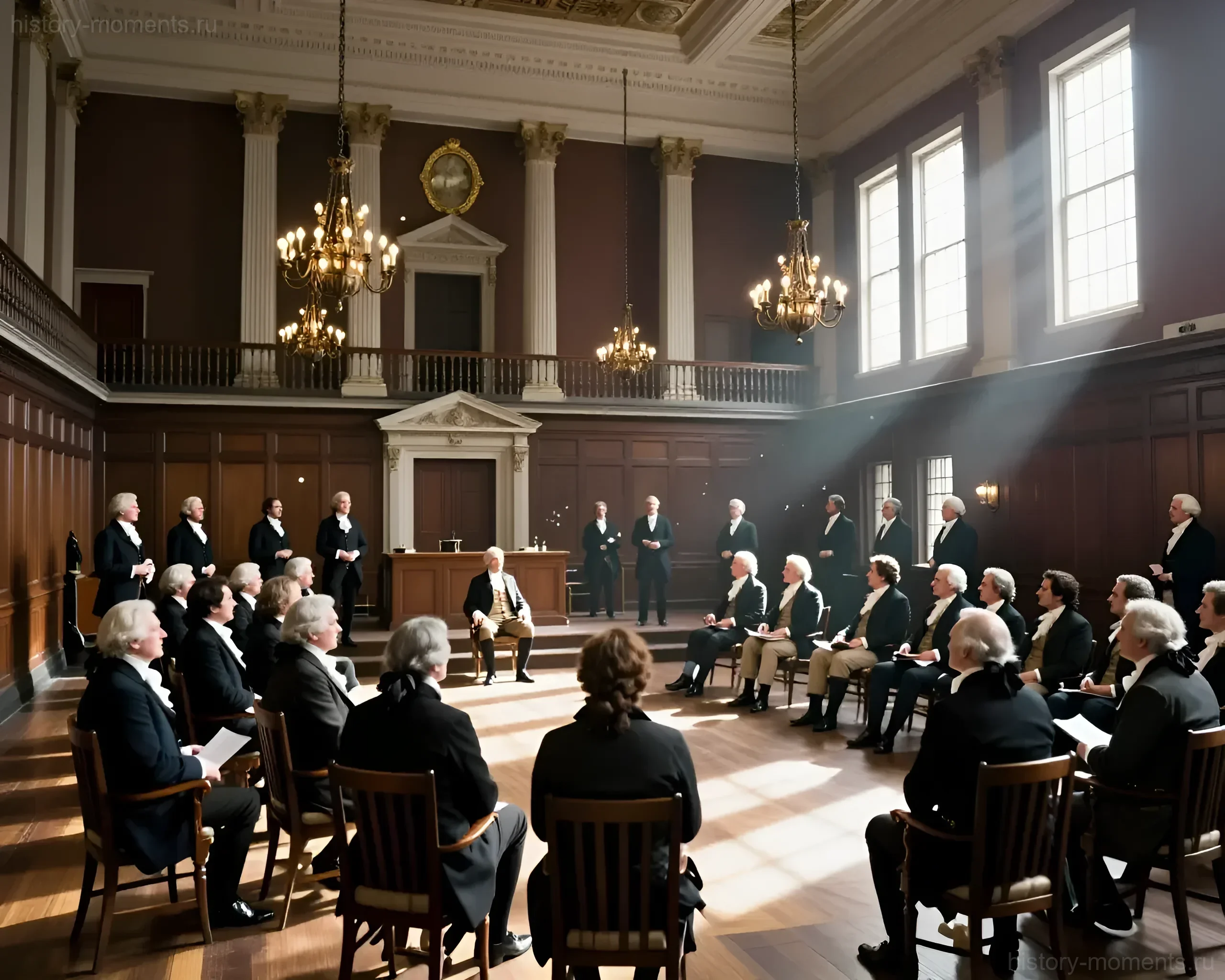
Now let’s look at how Jefferson’s ideas evolved. His initial draft was full of radical statements. For example, he condemned slavery, calling it a “detestable vice.” He also criticized the British monarchy, calling it “tyranny.” But these ideas were too radical for many colonies, especially the southern ones, which depended on slavery. Therefore, Franklin and Adams proposed removing these points so as not to alienate the southern colonies.
Furthermore, Jefferson wanted to include a more detailed description of human rights in the document. But Congress decided that this was too much for one document. So, they shortened this section, leaving only the core principles: life, liberty, and the pursuit of happiness. These principles became the foundation of American democracy and inspired many other countries to create their own constitutions.
Compromises were necessary because without the unity of the colonies, nothing would have been achieved. The southern colonies feared losing their slaves, the northern colonies feared losing trade, and the central colonies wavered between loyalty to the Crown and the thirst for freedom. Therefore, the Committee of Five had to find a balance between these interests. And they did. The final document was adopted by all colonies, which was an incredible success.
Key Figures of June 1776: Thomas Jefferson, Benjamin Franklin, John Adams – Their Roles and Conflicts
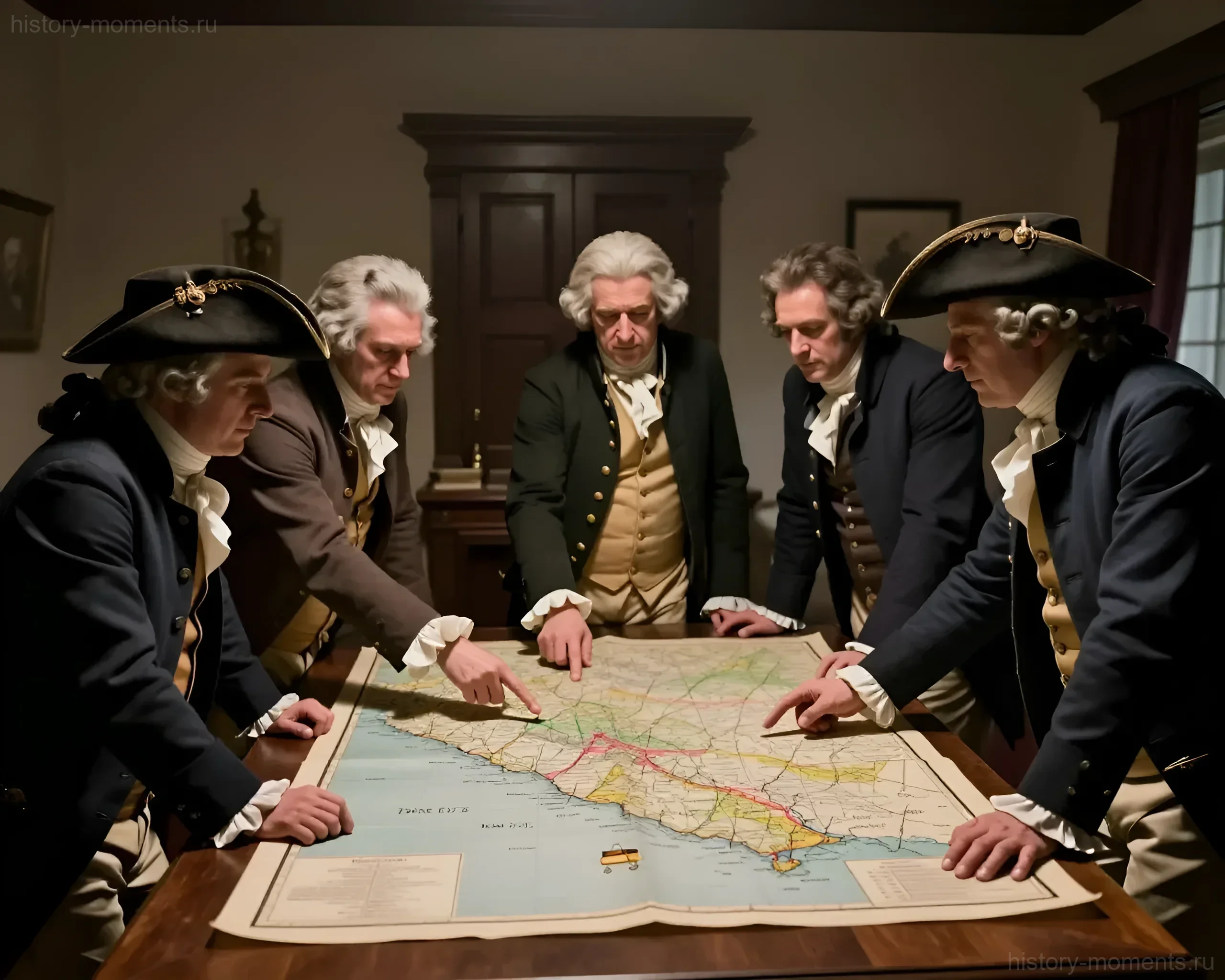
Now let’s talk about the key figures in this process. Thomas Jefferson was the main author of the Declaration. He was young, ambitious, and talented. His ideas were radical, but they inspired many. Benjamin Franklin was wise and experienced. He understood that without compromise, nothing would be achieved. Therefore, he helped Jefferson find a balance between radicalism and pragmatism. John Adams was fiery and passionate. He was ready to do anything for independence. His energy and enthusiasm inspired others.
But there were conflicts between them. Jefferson and Adams often argued about how exactly to write the document. Jefferson wanted to be more radical, while Adams wanted to be more pragmatic. Franklin, on the other hand, tried to find a compromise between them. These conflicts were normal because each of them had their own views and interests. But in the end, they found common ground and created a document that changed the world.
Consequences of the Declaration’s Adoption: How One Document Changed the Course of World History
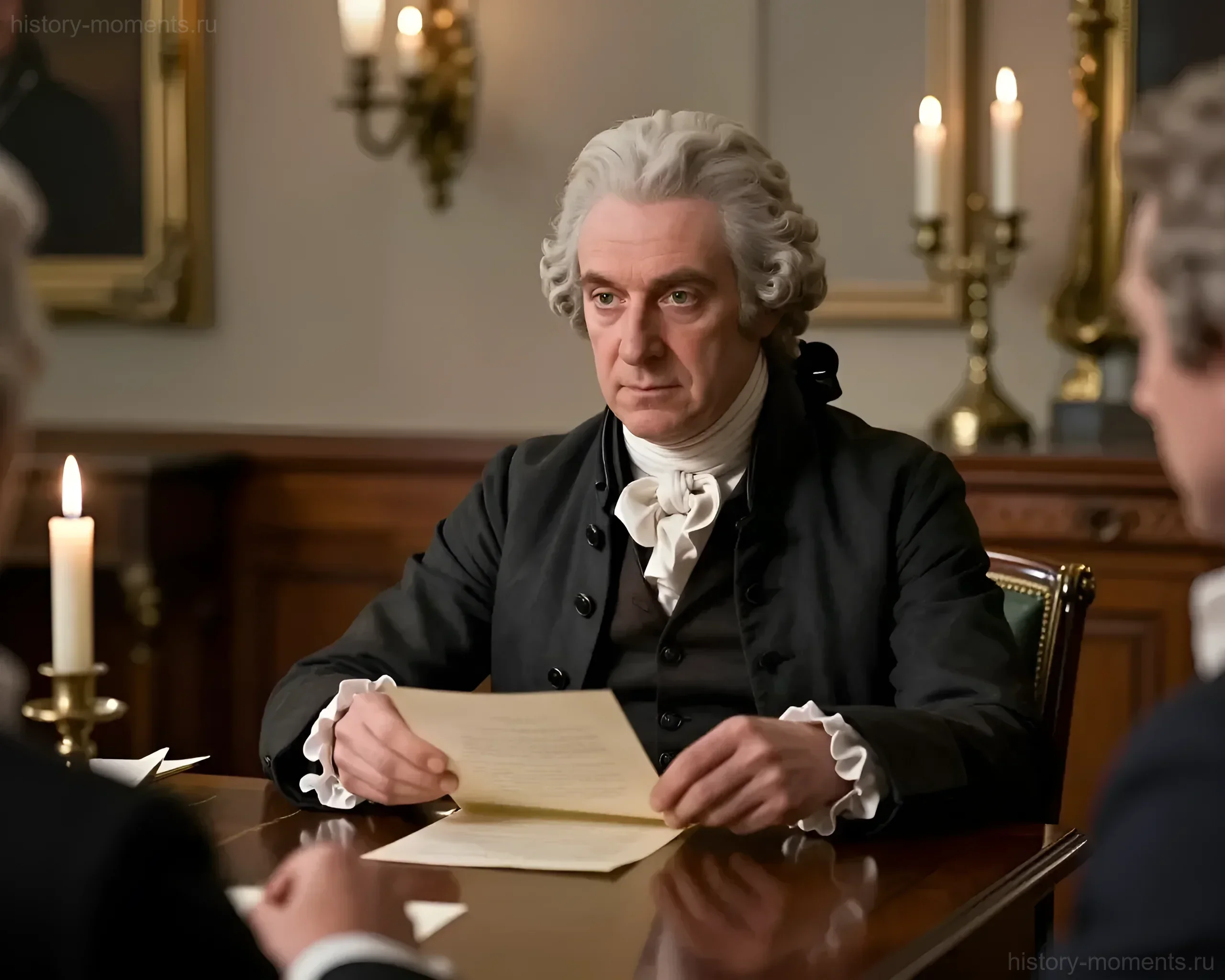
The adoption of the Declaration of Independence on July 4, 1776, was a turning point in history. It not only declared the independence of the United States but also inspired many other countries to create their own constitutions. The French Revolution, which occurred in 1789, was inspired by the American Declaration. Also, many other countries, such as Russia, Germany, and Japan, used the American Declaration as a model for their constitutions.
Furthermore, the Declaration of Independence became a symbol of freedom and democracy. It has inspired millions of people for centuries. Many revolutionary movements, such as the civil rights movement in the United States, have used the Declaration as a basis for their demands. It has become a symbol of the struggle for freedom and justice.
Unknown Facts About June 1776: From Forgotten Clauses to Behind-the-Scenes Intrigues
Now let’s talk about some unknown facts about June 1776. For example, few people know that Jefferson’s initial draft contained a clause stating that slavery should be abolished. But this clause was removed because the southern colonies were against it. Also, few people know that there were serious conflicts between Jefferson and Adams. They often argued about how exactly to write the document. But in the end, they found common ground.
Furthermore, few people know that intrigues were taking place behind closed doors in Philadelphia in June 1776. Some delegates of Congress were against independence and tried to sabotage the process. But in the end, they could not prevent the adoption of the Declaration. These intrigues were normal because everyone had their own interests and views. But in the end, they could not prevent the adoption of the Declaration.
Historical Significance: Why June 1776 is Important Not Only for the USA but for the Entire World
June 1776 is important not only for the USA but for the entire world. It became a turning point in history that inspired many other countries to create their own constitutions. The French Revolution, which occurred in 1789, was inspired by the American Declaration. Also, many other countries, such as Russia, Germany, and Japan, used the American Declaration as a model for their constitutions.
Furthermore, June 1776 became a symbol of freedom and democracy. It has inspired millions of people for centuries. Many revolutionary movements, such as the civil rights movement in the United States, have used the Declaration as a basis for their demands. It has become a symbol of the struggle for freedom and justice.
Conclusion: Lessons from June 1776 for the Modern Reader – and Where to Find Inspiration for Your Workspace

June 1776 teaches us that even in the most difficult conditions, a solution can be found. The Committee of Five managed to create a document that changed the world, despite all the difficulties and conflicts. They found compromises that allowed the colonies to unite. This is a lesson for us: even in the most complex situations, a solution can be found if we are willing to compromise and cooperate.
Furthermore, June 1776 teaches us that inspiration can come from anywhere. The Committee of Five worked in a stuffy room in Philadelphia, but they created a masterpiece of political thought. This means that inspiration does not depend on conditions. It can come from anywhere if we are open to it. Therefore, if you are looking for inspiration for your workspace, try to create a comfortable environment.