
Alchemy. The mere mention of this word conjures images of dark, soot-stained laboratories where mysterious substances bubble in flasks, and scientists, obsessed with humanity’s two greatest dreams—transmuting base metal into pure gold and achieving eternal life—bend over crucibles. It was not merely early chemistry; it was a philosophy, a mysticism, and an art that dominated the intellectual life of both East and West for millennia. Are you ready to embark on a journey through the history of this “royal” science?
Alchemy: From Ancient Roots to the Dream of Immortality
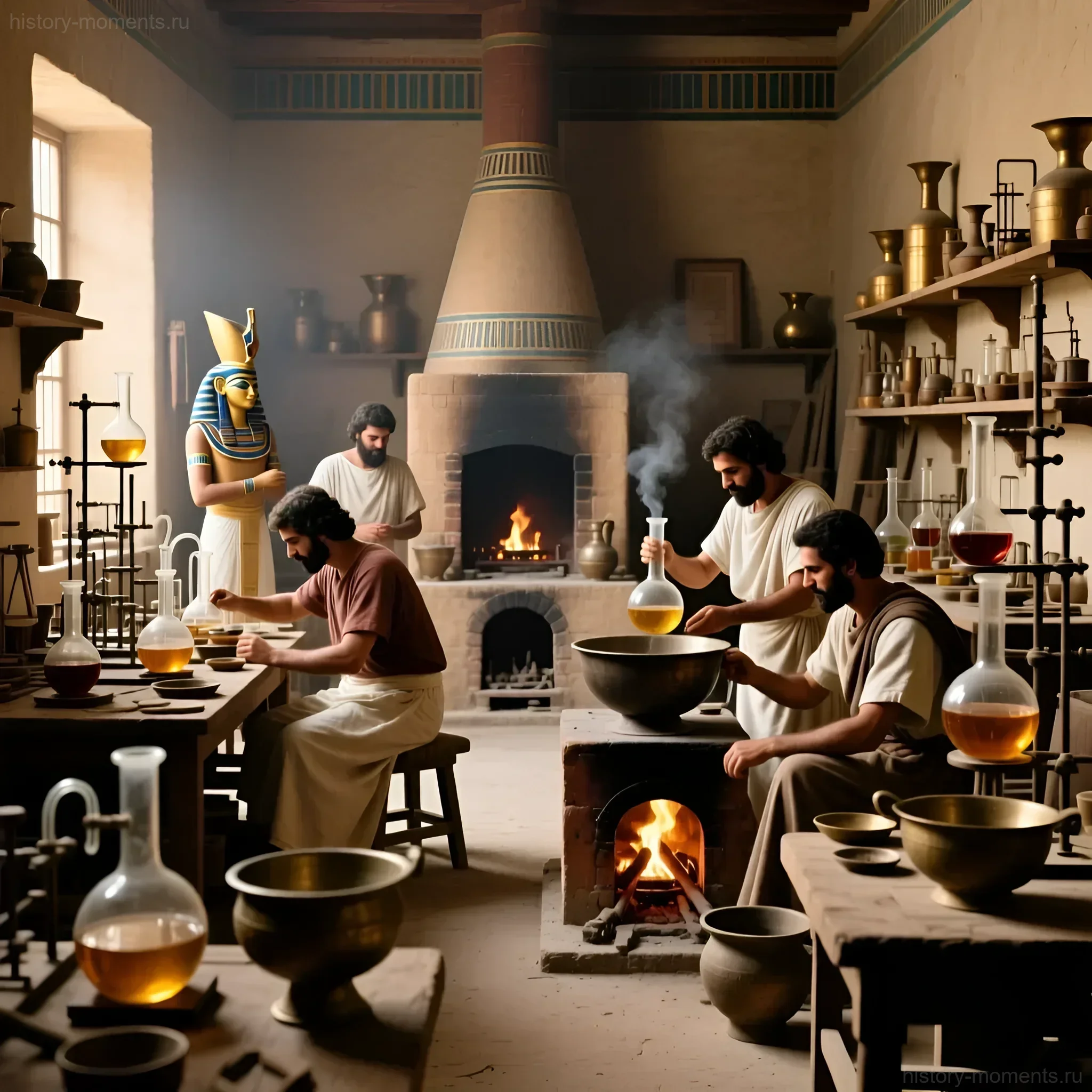
Alchemy, which we often perceive today as a mystical precursor to chemistry, was in reality a deeply integrated system of knowledge encompassing cosmology, astrology, medicine, and metallurgy. The term likely derives from the Arabic “al-kimiya,” which in turn traces back to the Greek “chemeia” or “chemia”—the name given to the art of metalworking in Egypt. At the heart of alchemy were always two ambitious yet interconnected pursuits:
- Magnum Opus (The Great Work): Achieving the perfection of matter, culminating in the creation of the Philosopher’s Stone (Lapis Philosophorum). This Stone, it was believed, possessed the ability to transmute base metals (lead, tin) into gold.
- The Quintessence and the Elixir of Life (Elixir Vitae): Creating a universal medicine capable of healing all diseases, restoring youth, and granting immortality or, at least, significantly extending life.
For alchemists, these two goals were reflections of the same process: purification and perfection. If one could purify lead (a symbol of imperfect matter) into gold (a symbol of perfection), then the same principle could be applied to the human body.
The Genesis of Alchemy: Egypt, Greece, and the Arab Contribution
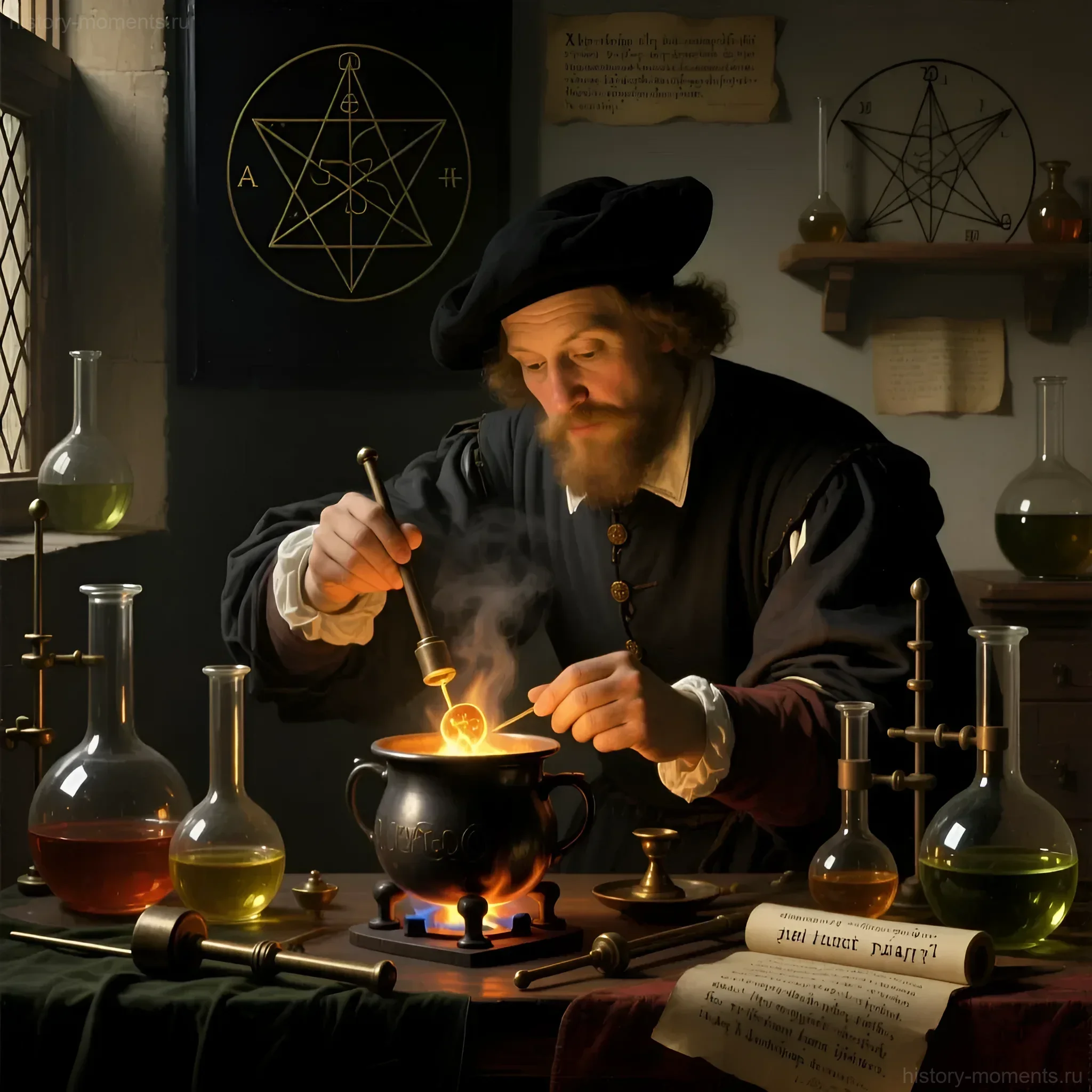
The roots of alchemy delve into deep antiquity, but its true flourishing began in a cultural melting pot—Hellenistic Egypt, specifically in Alexandria. It was here, around the 1st–3rd centuries AD, that practical Egyptian knowledge of metallurgy, dyeing, and gem imitation merged with Greek philosophical theory.
Greek philosophy, particularly Aristotle’s teachings on the four elements (earth, water, air, fire) and the concept of matter striving for perfection, provided alchemy with a theoretical foundation. The Egyptians, in turn, offered practical methods—distillation, sublimation, calcination. It was in Alexandria that one of the first known alchemists lived—Zosimos of Panopolis (late 3rd–early 4th century), whose works described not only technical procedures but also the mystical aspects of the Great Work.
The Golden Age of Arab Alchemy
As the Roman Empire declined, the center of alchemical knowledge shifted eastward. The Islamic world not only preserved but radically developed the legacy of Alexandria. Arab scholars transformed alchemy from a mystical art into a more systematized experimental discipline.
A key figure here is Abu Musa Jabir ibn Hayyan (c. 721–815), known in the West as Geber. Geber is considered the “father of chemistry” for his contributions to the development of laboratory methods and instruments. He introduced the following critically important concepts into alchemical theory:
- The Mercury-Sulfur Theory: Geber posited that all metals consist of two fundamental principles: Sulfur (responsible for combustibility and color) and Mercury (responsible for volatility and metallic properties). Gold was the perfect balance of these two principles, while base metals were their imperfect mixtures.
- New Substances: Arab alchemists were the first to systematically describe and produce such important substances as sulfuric acid, nitric acid, hydrochloric acid, and aqua regia (a mixture of nitric and hydrochloric acids capable of dissolving gold).
Through Arab translations and discoveries, alchemy returned to Europe in the 12th–13th centuries, forming the basis for the development of medieval science and medicine.
The Transmutation of Metals and the Creation of the Philosopher’s Stone: Key Stages of the Alchemical Process
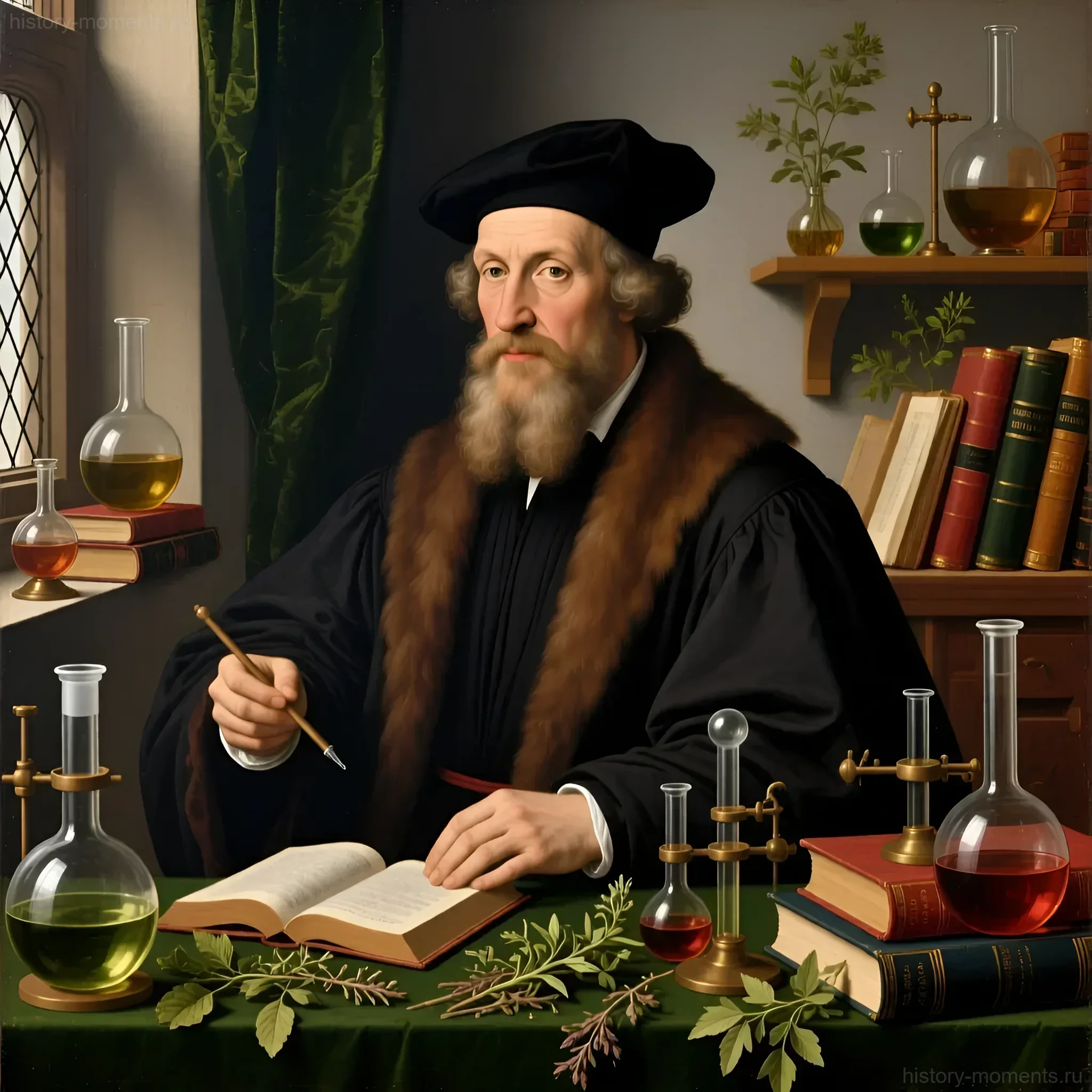
The search for the Philosopher’s Stone was not a chaotic mixing of substances. It was a strictly regulated, lengthy, and often dangerous process that alchemists called the Magnum Opus (The Great Work). Alchemists believed that to create the Stone, one had to replicate the natural process of gold maturation, only accelerated and brought to an ideal state.
The Great Work was symbolically divided into four main stages, often associated with the colors that matter was supposed to acquire in the retort:
1. Nigredo (Blackness) or Dissolution (Death)
- Process: Calcination (roasting), dissolution, or putrefaction. The initial materials (often lead, mercury, or “prima materia”) were heated and decomposed into a black, homogeneous mass.
- Symbolism: This was the stage of chaos, the destruction of imperfect form. The alchemist had to destroy the old, “sinful” matter to liberate its ideal essence.
2. Albedo (Whiteness) or Purification (Cleansing)
- Process: Distillation and filtration. The black mass was purified and washed of impurities, acquiring a white color.
- Symbolism: Resurrection, purification, rebirth. At this stage, the “Lesser Tincture” (a lesser stone) was obtained, which could transmute metals into silver.
3. Citrinitas (Yellowness) (Illumination)
- Process: Further heating and processing.
- Symbolism: Although some later alchemists omitted this stage or merged it with Rubedo, historically it symbolized the transition to a solar (golden) nature.
4. Rubedo (Redness) or Perfection (Union)
- Process: Coagulation and fixation. Through prolonged heating and processing, the white powder transformed into a reddish, sometimes purple, substance.
- Symbolism: The attainment of the Philosopher’s Stone (the Great Tincture). The Stone was described as heavy, brilliant, capable of withstanding fire, and most importantly, of turning lead into gold with a single touch (or by adding a small amount).
Alchemists used complex equipment—alembics (distillation stills), retorts, athanor furnaces (which had to maintain a constant temperature for many months or even years). And, of course, they constantly searched for Prima Materia (the First Matter)—the initial, pure substrate from which the Great Work was to begin.
Great Alchemists: From Geber to Paracelsus—Personalities Who Changed the Course of Science
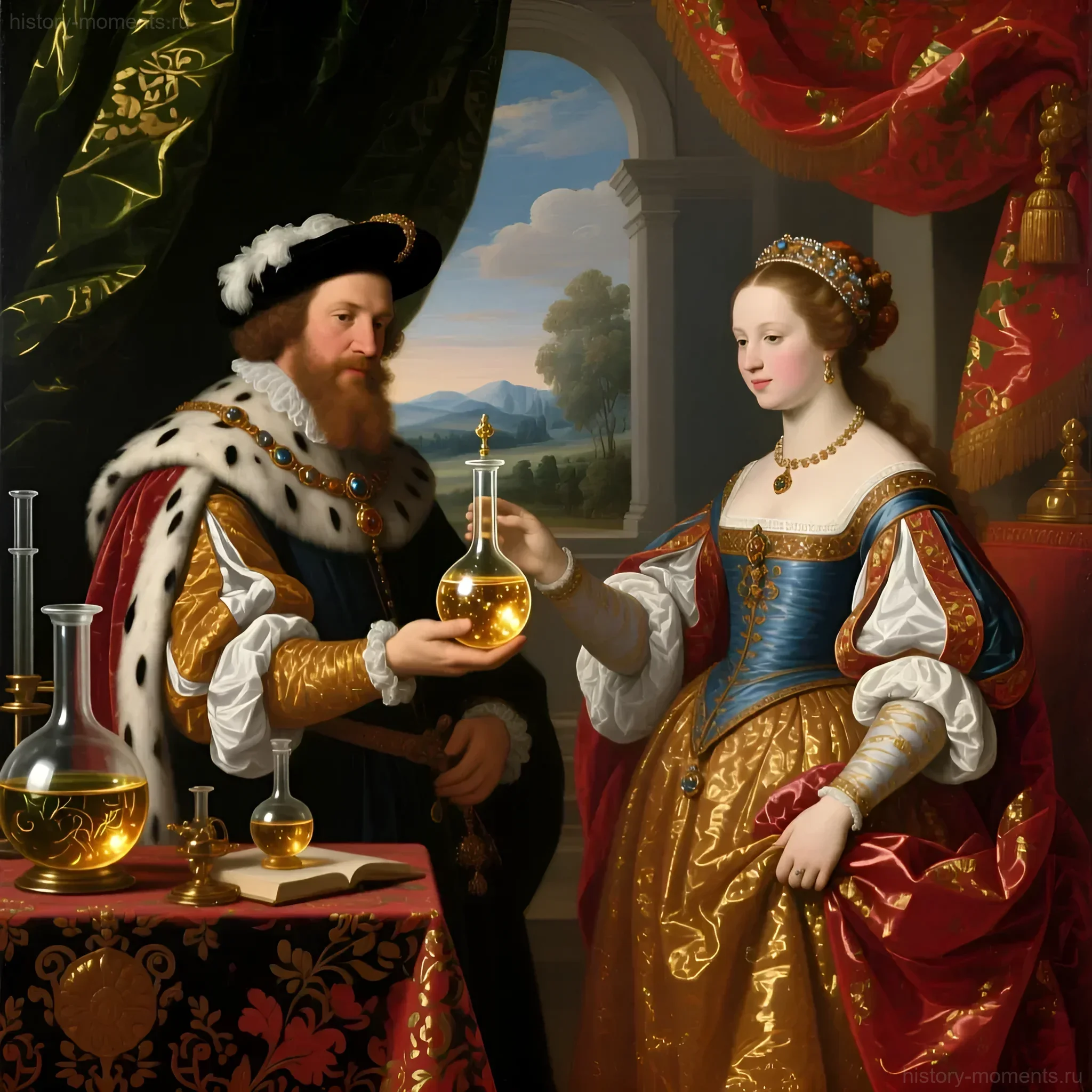
The history of alchemy is a history of brilliant, yet often mysterious, individuals whose quests for gold and immortality led to revolutionary discoveries in chemistry and medicine.
Albertus Magnus (c. 1200–1280): Theologian and Practitioner
Saint Albertus Magnus, a Dominican friar and teacher of Thomas Aquinas, was one of the first European scholars who not only translated Arab alchemical texts but also conducted experiments himself. He was convinced that transmutation was possible, and his works laid the foundation for medieval European alchemy, lending it legitimacy in the eyes of the Church (at least, until a certain point).
Nicolas Flamel (c. 1330–1418): The Myth of the Master
Nicolas Flamel, a Parisian scribe, became perhaps the most famous alchemist in popular culture. Although documentary evidence of his success in transmutation is dubious, legend has it that he not only deciphered a mysterious book containing the secret of the Philosopher’s Stone but also successfully completed the Great Work in 1382. Most importantly, his legacy is not just a myth of wealth but also detailed descriptions of the symbolism of the alchemical process, which he allegedly encoded in reliefs at the Parisian Cemetery of the Innocents.
Basil Valentine (15th Century): The Enigmatic Benedictine
Many important alchemical texts, including “The Triumphal Chariot of Antimony,” are attributed to Basil Valentine. Although his existence as a single individual is debated (it might be a collective pseudonym), his works were monumental. He focused on the medicinal applications of metals and minerals, particularly antimony, which was an important step in the development of iatrochemistry.
Paracelsus (1493–1541): The Iatrochemistry Revolutionary
Theophrastus von Hohenheim, better known as Paracelsus, was perhaps the most influential figure in the transition from classical alchemy to modern medicine. Paracelsus fiercely criticized Galen’s traditional medicine and alchemists who sought only gold. He proclaimed that the true goal of alchemy was not transmutation but the creation of medicines.
His contributions:
- The Three Principles (Tria Prima): Paracelsus supplemented Geber’s Mercury-Sulfur theory by adding Salt. Thus, all bodies consisted of Mercury (spirit, volatility), Sulfur (soul, combustibility), and Salt (body, solidity).
- Iatrochemistry (Chemical Medicine): He was the first to systematically use chemical compounds, such as mercury and antimony, to treat specific diseases, believing that illness was a localized imbalance of principles in the body.
Paracelsus, despite his eccentricity, made a real breakthrough by directing alchemical methods (distillation, extraction) towards serving pharmacology.
The Elixir of Immortality and Life Extension: Alchemical Recipes and Their Goals
If the Philosopher’s Stone was the key to the perfection of matter, then the Elixir of Immortality (or Elixir of Life, Elixir Vitae) was the key to the perfection of the human body. In Eastern alchemy, particularly Chinese (Daoist) alchemy, the search for immortality was even more central than the search for gold.
Daoist Alchemy: The Search for Cinnabar
In China, alchemists (dan shi) were divided into two schools: external (waidan) and internal (neidan). External alchemy focused on creating physical elixirs, often using minerals. The main component was considered to be cinnabar (mercuric sulfide). Paradoxically, many Chinese emperors, including Qin Shi Huang, died from poisoning by elixirs containing heavy metals (mercury, lead) that alchemists considered “immortal” substances.
Internal alchemy (neidan) later transformed these pursuits into spiritual and breathing practices aimed at circulating vital Qi energy, but initially, the goal was the creation of a physical, eternal body.
Western Pursuits: Aurum Potabile and Quintessence
In the West, the Elixir was often viewed as a liquid form of the Philosopher’s Stone—the Tincture. It was believed that the Stone, dissolved in alcohol or water, would grant eternal youth.
One of the most popular alchemical “recipes” for life extension was Aurum Potabile (drinkable gold). Alchemists believed that since gold is the perfect, incorruptible metal, its consumption should impart this incorruptibility to the human body. In practice, these were colloidal gold solutions, often mixed with alcohol or herbal extracts.
Furthermore, there was the idea of Quintessence (the fifth essence). In medieval Europe, particularly through the works of Raimundus Lullus and Arnold of Villanova, alchemists sought a pure, ethereal substance extracted from wine or other organic matter (through repeated distillation), which could serve as a universal solvent and healer.
Arnold of Villanova (c. 1240–1313) was one of the first to systematically use alcohol, obtained through distillation, as a base for medicinal elixirs, considering it the “water of life” (aqua vitae).
The search for the Elixir of Immortality, while not leading to eternal life, became a powerful stimulus for the development of pharmacology, distillation, and the extraction of plant components—processes without which modern medicine would be unimaginable.
Alchemy and Modernity: Influence on Science, Medicine, and Culture
In the 17th century, with the publication of Robert Boyle’s works and the dawn of the Enlightenment, alchemy gradually gave way to chemistry. Yet, without the centuries of alchemical endeavors, modern science could not exist. Alchemy was not merely pseudoscience; it was the first systematic attempt to understand the nature of matter and how to manipulate it.
Legacy in Chemistry and Metallurgy
Alchemists developed and refined fundamental laboratory methods that are still in use today:
- Distillation: Initially used to purify alcohol and obtain “quintessence,” today it is a key process in petrochemicals and beverage production.
- Sublimation and Calcination: Methods for purifying and analyzing minerals and metals.
- Laboratory Equipment: The creation of alembics, retorts, furnaces, and water baths (invented by Maria Prophetissa, or Maria the Jewess, 1st–3rd centuries AD)—all of which formed the basis for modern chemical laboratories.
It was the alchemists who first produced and described mineral acids (sulfuric, nitric) and many salts, which became the cornerstone of industrial chemistry.
Influence on Medicine
Paracelsus’s iatrochemistry initiated the use of chemically prepared medicines. Before Paracelsus, medicine relied primarily on herbs and humoral theory (the balance of bodily fluids). Paracelsus and his followers demonstrated that specific chemical substances (e.g., mercury compounds for treating syphilis or antimony) could be more effective, ultimately leading to the creation of the pharmaceutical industry.
Cultural and Psychological Impact
Although the transmutation of metals proved impossible (until the discovery of nuclear physics), the spiritual and philosophical aspect of alchemy continues to live on. Carl Gustav Jung, for example, used alchemical symbols and processes (Nigredo, Albedo, Rubedo) to describe the process of individuation and human psychological development, seeing the Great Work as a metaphor for achieving psychological wholeness and perfection.
Interesting Facts About Alchemy: Symbols, Laboratories, and Unexpected Discoveries
1. The Language of Symbols
Alchemists deliberately used complex symbolism and coded texts to hide their knowledge from the uninitiated (and to avoid persecution). This system of symbols was incredibly rich:
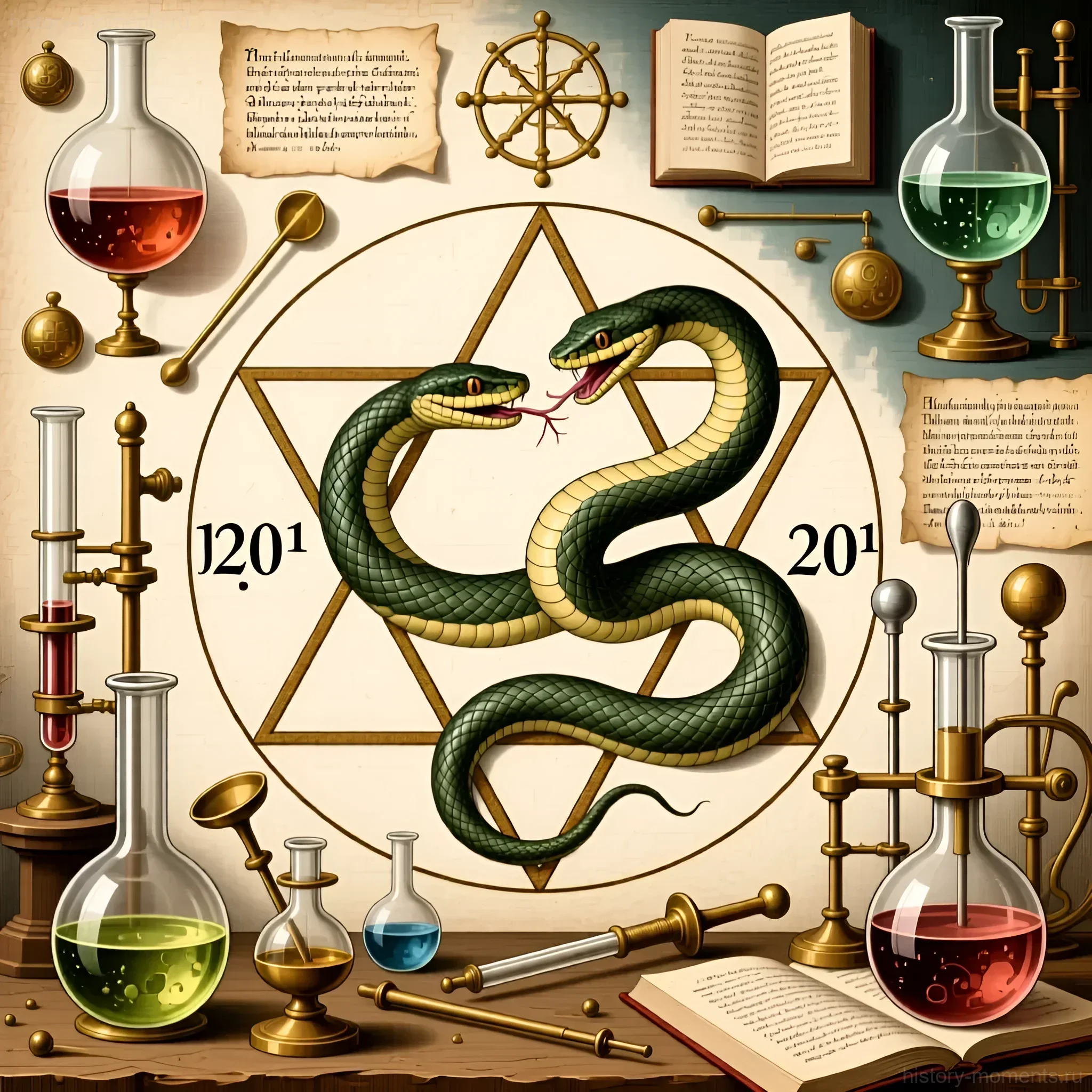
- Ouroboros: The snake biting its tail symbolized the cyclical nature of the process, eternal return, and the unity of matter.
- Seven Metals and Seven Planets: Each metal was associated with a celestial body: Gold—Sun, Silver—Moon, Iron—Mars, Mercury—Mercury, Copper—Venus, Tin—Jupiter, Lead—Saturn.
- The Alchemical Marriage (Coniunctio): The union of the King (Sun/Gold/Sulfur) and the Queen (Moon/Silver/Mercury), symbolizing the perfect combination of principles necessary for the creation of the Stone.
2. Female Alchemists
Although alchemy is traditionally associated with men, female alchemists were known in antiquity and the early Middle Ages. The most famous is Maria Prophetissa (Maria the Jewess), who lived in Alexandria in the 1st–3rd centuries AD. She is credited with inventing the kerotakis (a sublimation apparatus) and, most famously, the Bain-Marie (water bath, or “Maria’s bath”), which is still used in cooking and laboratories for gentle heating.
3. Alchemical Frauds
Since the promises of transmutation offered immense wealth, alchemy became fertile ground for fraudsters. Many so-called “alchemists” deceived patrons using sleight of hand or pre-prepared crucibles with hidden compartments containing gold or silver to simulate successful transmutation. In the Middle Ages and Renaissance, these fraudsters often met their end on the gallows when their deception was revealed.
4. Alchemists and Great Minds
Even the greatest scientific minds of the modern era were not immune to the allure of alchemy. Isaac Newton dedicated a significant portion of his life to it, writing more texts on alchemy than on physics and mathematics combined. He searched for “celestial mercury” and the Prima Materia, seeing alchemy as the key to understanding the divine order of the universe.
Alchemy: What Is It and Why Is It Needed? — Historical Significance and FAQs
Alchemy, as a historical phenomenon, was much more than just an attempt to make gold. It was a bridge between the mystical worldview of antiquity and the rational approach of the New Age.
Question: How does alchemy differ from chemistry?
Answer: The main difference lies in the goal and methodology. Chemistry is an empirical science based on quantitative measurements and reproducible experiments, aiming to study the composition, structure, and properties of matter. Alchemy, on the other hand, was primarily a philosophical and spiritual quest for perfection (both of matter and the alchemist’s spirit), and its methods were often shrouded in mysticism and symbolism. However, chemistry emerged from the practical achievements of alchemy.
Question: What was the true purpose of the Philosopher’s Stone?
Answer: The Stone had a threefold purpose:
- Transmutation: Turning base metals into gold.
- Medicine: Serving as a universal medicine or the basis for the Elixir of Life.
- Spiritual Perfection: The creation of the Stone symbolized spiritual enlightenment and the alchemist’s union with divine knowledge.
Question: Which famous alchemists actually created the Philosopher’s Stone?
Answer: There are no reliable, scientifically confirmed cases of the Philosopher’s Stone being created. Legends attribute success to Nicolas Flamel and Count Cagliostro, but these stories remain myths. The only way to transmute elements known to modern science is through nuclear reactions, which require immense energies and have nothing to do with the chemical processes used by alchemists.
Question: Why did alchemists work so much with mercury?
Answer: Mercury (Mercurius) was one of the key elements in alchemical cosmology. In the Mercury-Sulfur theory, it represented the metallic principle—volatility, liquid state, and the ability to penetrate other substances. Mercury was considered the “prima materia” for all metals, and its purification was a critical step in the Great Work.
Conclusion
Alchemy, with its grand dream of gold and eternity, has left us not with a mythical Stone, but with something far more valuable: the scientific method, laboratory tools, and millennia of persistent, albeit mistaken, experimentation. It was an era when science and magic were inseparable, and it was from this fusion that our modern understanding of the world was born.