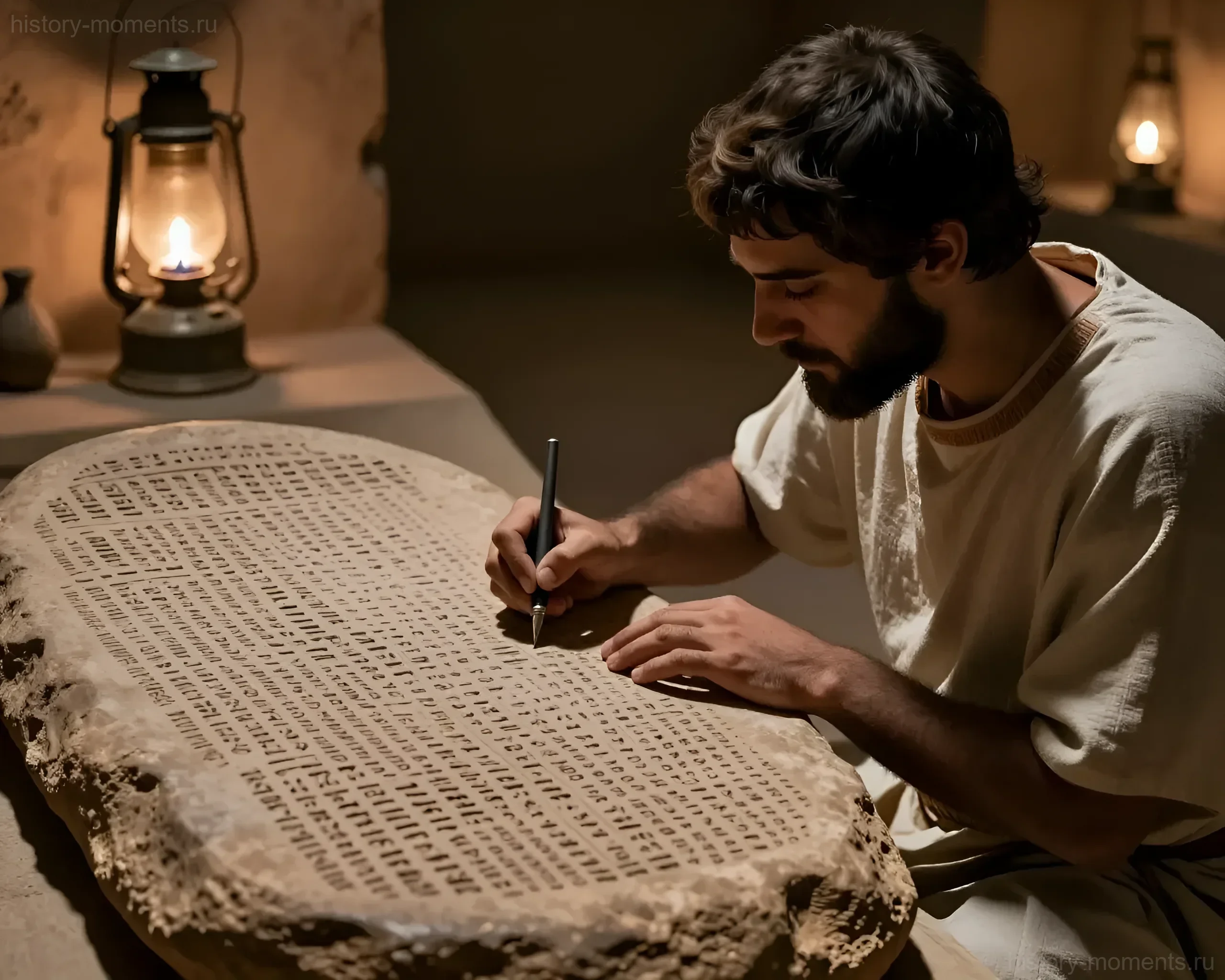
Imagine a world without a single computer, database, or machine learning algorithm. Now, imagine that in this world, rulers knew the exact number of their subjects, how much grain was harvested in each district, how many soldiers could be drafted into the army, and how much tax to collect from each household. Sounds like science fiction? But this was the reality of antiquity. And today, when we talk about artificial intelligence and automation, it’s worth considering: humanity’s first “neural networks” appeared long before electricity.
Why Ancient “Neural Networks” Are Relevant in the AI Era

In 2026, the world is experiencing a true artificial intelligence boom. Algorithms manage traffic, analyze medical data, predict weather, and even help make political decisions. But what if I told you that the foundation of this technology is not silicon chips, but the human mind capable of systematizing information? Ancient civilizations like Babylon, Rome, and the Incas created complex registration systems that were essentially analogues of modern databases. They used clay tablets, knotted cords, and population censuses to manage millions of people. And the most surprising thing is that they did it without a single computer.
Today, when we talk about “big data,” we often forget that this concept existed thousands of years ago. Ancient rulers understood that to govern a state, you need to know how many people you have, how many resources, and how to distribute them. This is the essence of any neural network – processing information to make decisions. And ancient civilizations did this with incredible accuracy.
Background: The Need for Counting Millions Without Computers Arose
It all started with a simple question: how to govern a state with millions of subjects? In antiquity, this wasn’t just a matter of convenience – it was a matter of survival. If you don’t know how many people you have, you can’t collect taxes, draft an army, or distribute food. And if you don’t know how many resources you have, you can’t ensure the stability of the state.
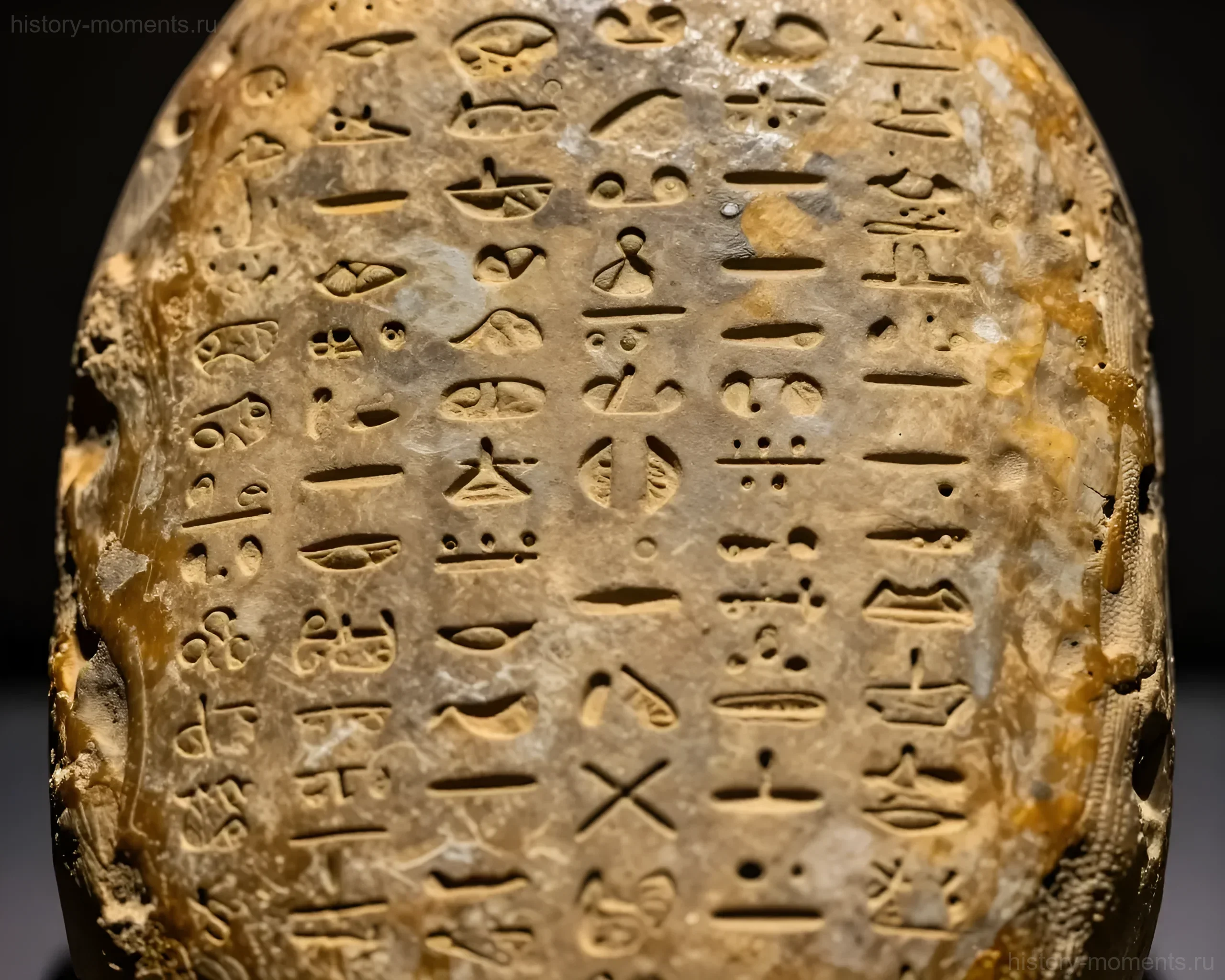
The first attempts at population registration appeared in Ancient Egypt, where pharaohs conducted censuses to collect taxes and organize labor for pyramid construction. But a true revolution occurred in Babylon, where clay tablets became humanity’s first “databases.” These tablets contained information about each household, each inhabitant, each field, and each warehouse. And the most surprising thing is that they were stored in archives that could be found and used millennia later.
Rome, however, took this idea and perfected it. The Roman census was not just a population count; it was a comprehensive system of state management. The word “statistics,” which we use today, derives from the word “census.” The Romans understood that to govern an empire, you need to know every corner of your territory. And they did this with incredible accuracy.
Babylonian Clay Archives: Humanity’s First Databases

Babylon is not just a city; it’s a symbol of an ancient civilization that created the world’s first registration systems. The clay tablets discovered by archaeologists contain information about every inhabitant of Babylon, every field, every warehouse, and every tax. These are not just records; they are humanity’s first databases.
Each tablet contained information about a specific household: who lived there, how much land they owned, how much livestock they had, how much tax they paid. This data was used for state management, tax collection, and army organization. And the most amazing thing is that these tablets were stored in archives that could be found and used millennia later.
One of the most famous tablets is the one bearing the name of King Hammurabi. It records the laws that governed the lives of Babylonians. But in addition to laws, the tablet also contains population data: how many people lived in each district, how much land they had, how much tax they paid. These are the first “neural networks” of antiquity – a system that processed information for decision-making.
The Roman Census: From the Word “Statistics” to Imperial Control

Rome is not just an empire; it’s a symbol of an ancient civilization that created the world’s first management systems. The Roman census was not just a population count; it was a comprehensive system of state management. The word “statistics,” which we use today, derives from the word “census.” The Romans understood that to govern an empire, you need to know every corner of your territory. And they did this with incredible accuracy.
Every inhabitant of the Roman Empire was recorded in a register that contained information about their age, profession, property, and taxes. This data was used for state management, tax collection, and army organization.
One of the most famous censuses is the one conducted in 27 BC by order of Emperor Augustus. It recorded data about every inhabitant of the Roman Empire: how many people lived in each district, how much land they had, how much tax they paid. These are the first “neural networks” of antiquity – a system that processed information for decision-making.
The Inca Quipu: A Knotted Binary Code for Resource Management
The Incas are not just a civilization; they are a symbol of an ancient culture that created the world’s first registration systems without writing. The quipu is a knotted cord system used for accounting resources, population, and taxes. And the most amazing thing is that it was a true binary code used for state management.
Each knot on the quipu represented a specific number, and the arrangement of the knots represented specific information. For example, one knot could mean “one person,” two knots “two people,” three knots “three people.” And the arrangement of the knots could mean “this person lives in this district,” “this person pays this tax,” “this person works on this field.” These were the first “neural networks” of antiquity – a system that processed information for decision-making.
One of the most famous quipus is the one found in Peru. It recorded data about every inhabitant of the Inca Empire: how many people lived in each district, how much land they had, how much tax they paid. These were the first “neural networks” of antiquity – a system that processed information for decision-making.
Key Figures: Who Was Behind Ancient Registration Systems

Behind every registration system were people who understood the importance of information. In Babylon, these were priests and officials who recorded data on clay tablets. In Rome, these were censors who conducted population censuses. In the Inca Empire, these were quipucamayocs – specialists in knotted cord writing.
One of the most famous censors was Marcus Tullius Cicero, who conducted a population census in Rome. He understood that to govern an empire, you need to know every corner of your territory. And he did this with incredible accuracy. His census became the basis for the governance of the Roman Empire for centuries.
One of the most famous quipucamayocs was Manco Inca, who created a registration system for the Inca Empire. He understood that to govern a state, you need to know every corner of your territory. And he did this with incredible accuracy. His system became the basis for the governance of the Inca Empire for centuries.
Consequences and Influence: How Ancient Algorithms Influenced Modern Governance
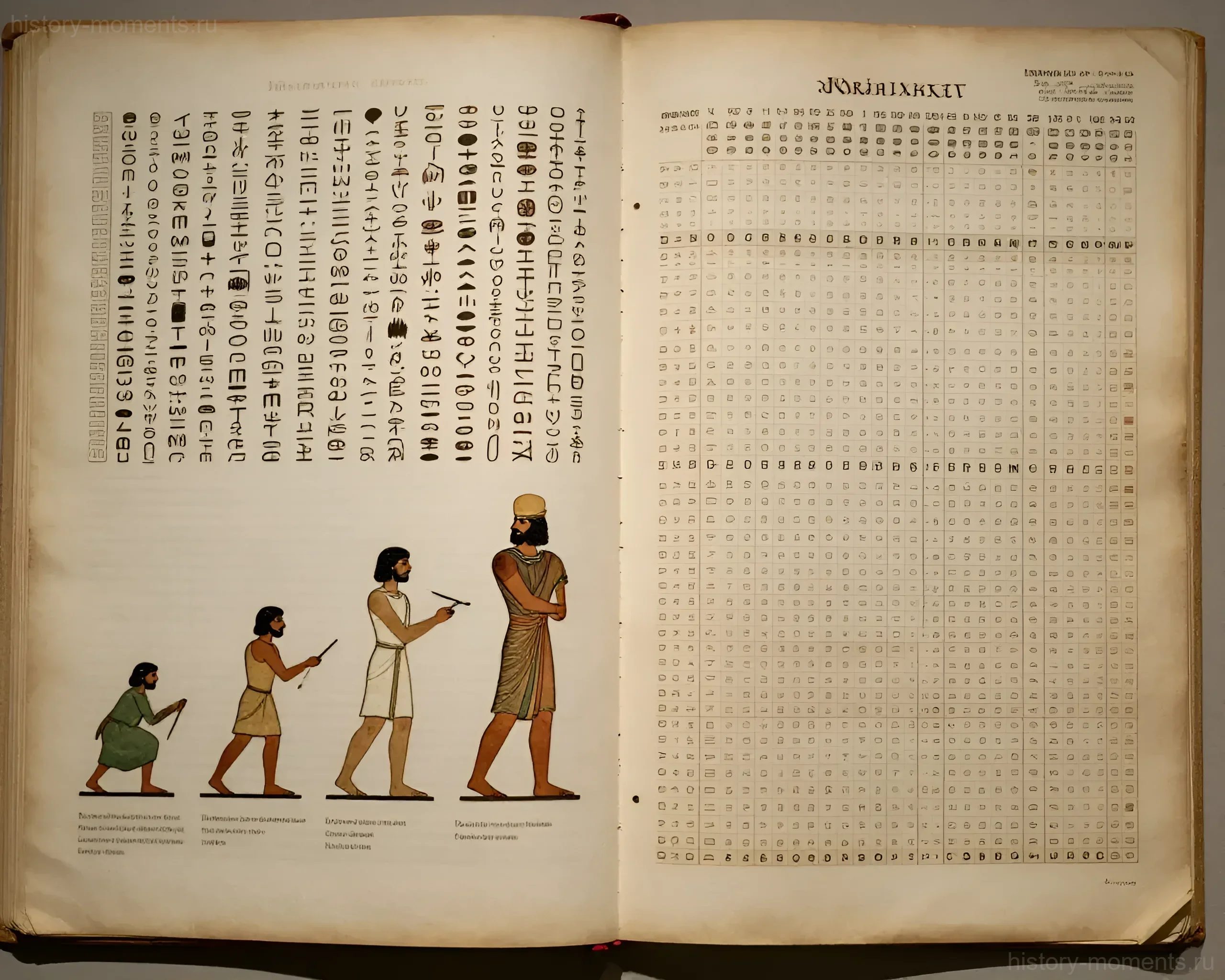
Ancient registration systems have influenced modern governance more than we think. Today, when we talk about “big data,” we often forget that this concept existed thousands of years ago. Ancient rulers understood that to govern a state, you need to know how many people you have, how many resources, and how to distribute them. This is the essence of any neural network – processing information to make decisions.
Modern systems for registering population, taxes, and resources are direct descendants of ancient systems. Today, when we talk about “digital government,” we often forget that this concept existed thousands of years ago. Ancient rulers understood that to govern a state, you need to know every corner of your territory. And they did this with incredible accuracy.
One of the most striking examples is the modern population registration system in Russia. It is based on principles developed in Ancient Rome. Today, when we talk about “digital government,” we often forget that this concept existed thousands of years ago. Ancient rulers understood that to govern a state, you need to know every corner of your territory. And they did this with incredible accuracy.
Interesting Facts and FAQ: What You Didn’t Know About Ancient Automation
Here are some interesting facts about ancient automation:
- Babylonian clay tablets were stored in archives that could be found and used millennia later.
- The Roman census was conducted every five years, and every inhabitant of the empire was recorded in a register.
- The Inca quipu was used to account for resources, population, and taxes, and it was a true binary code.
- One of the most famous censors was Marcus Tullius Cicero, who conducted a population census in Rome.
- One of the most famous quipucamayocs was Manco Inca, who created a registration system for the Inca Empire.
FAQ:
- What are ancient “neural networks”? They are registration systems used by ancient civilizations to govern states.
- How did ancient civilizations handle processing vast amounts of information? They used clay tablets, knotted cords, and population censuses.
- How did ancient algorithms influence modern governance? They became the foundation for modern systems of population, tax, and resource registration.
In conclusion, it’s worth noting that ancient registration systems are not just history; they are the foundation of the modern world. Today, when we talk about “digital government,” we often forget that this concept existed thousands of years ago. Ancient rulers understood that to govern a state, you need to know every corner of your territory. And they did this with incredible accuracy. And if you want to learn more about how ancient registration systems influenced the modern world, visit mebeltops.com, where you’ll find not only furniture but also interesting articles on history and technology.